What Does an RV Surge Protector Do and Why It Matters
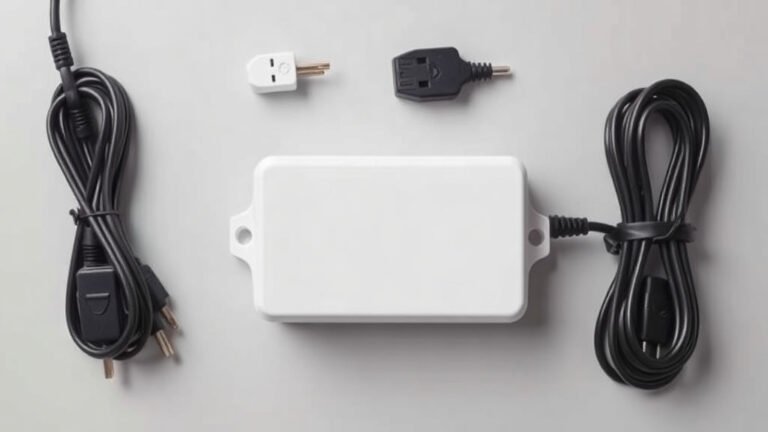
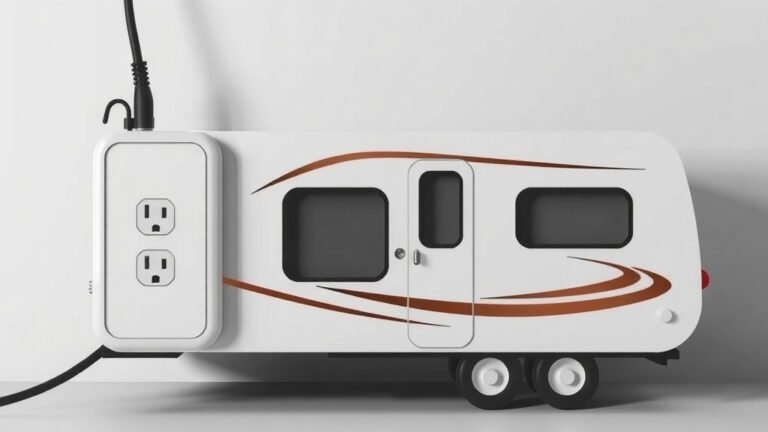
An RV surge protector is a device that shields your camper’s electrical system from dangerous power spikes and voltage irregularities. Think of it as a power strip on steroids for your RV, catching dangerous electricity before it can fry your appliances.
When you plug into a campground pedestal, you never know what you are getting. We found that faulty wiring and power surges are common at campsites. A surge protector checks the power before it enters your RV, and it cuts the flow if things get unsafe. This keeps your air conditioner, refrigerator, and electronics safe from costly damage.
- A surge protector blocks sudden power spikes (like from lightning or grid issues).
- It checks for common wiring problems like open grounds and reversed polarity.
- Some models also protect against low or high voltage that can slowly ruin appliances.
- It acts like a smart power strip that cuts power instantly when danger is detected.
- It is a cheap insurance policy compared to replacing a blown AC unit or fridge.
Below, we break down exactly how these devices work, the different types you can buy, and why experts say every RV owner should have one plugged in before hitting the road.
Understanding the Role of a Surge Protector in Your RV
An RV surge protector is your camper’s first line of defense against bad electricity. We found that most RV owners plug in without a second thought. That is a gamble. The power pedestal at your campsite can deliver dirty power, surges, and faulty wiring issues that damage your rig.
Think of it like a bouncer at a club. It checks the power coming in and only lets the good electricity pass. If something looks wrong, it shuts the whole thing down. This protects your expensive appliances from getting zapped.
How RV Power Pedestals Can Be Unpredictable
Campground electrical systems take a beating. They sit outside in rain, snow, and extreme heat. They get used by thousands of campers every season. We found that wiring mistakes and loose connections happen all the time at RV parks.
Your home has a licensed electrician who wired everything properly. Your campsite? Not always. A pedestal might have reversed polarity, an open ground, or a loose neutral wire. Any of these issues can send unsafe power straight into your RV.
The Real Cost of Power Surges
Replacing a rooftop air conditioner costs anywhere from $800 to $1,500. A refrigerator can run you $1,000 or more. Your TV, microwave, and converter all add up quickly. A decent surge protector costs between $50 and $300.
Do the math. A $200 surge protector is a bargain compared to a $1,200 AC unit replacement. Many experts say that protecting your electrical system is one of the smartest investments you can make for your camper.
What Happens When You Plug In Without Protection
Picture this: you back into your site after a long drive. You grab the heavy cord and plug it into the pedestal. You flip the breaker and hear that satisfying click. Then, nothing works. Or worse, you smell something burning.
This scenario happens more often than you think. RV forums are full of horror stories from owners who lost appliances to bad campground power. We found that voltage spikes and brownouts are the two biggest culprits behind electrical failures in campers.
Surges vs. Spikes: Know the Difference
A surge is a brief jump in voltage that lasts a few milliseconds. A spike is an even shorter burst, but it can pack a massive punch. Lightning strikes are the classic example, but they aren’t the only cause.
Power grid switching, transformer failures, and even your neighbor running a heavy appliance can create surges. These spikes travel down the line and hit your RV first. Without protection, that energy has nowhere to go except straight through your electronics.
Why Voltage Fluctuations Are Dangerous
Voltage that runs too high or too low is another serious threat. High voltage can overheat your appliances and melt wiring. Low voltage makes motors work harder, drawing more current and burning out over time.
Your air conditioner compressor is especially vulnerable. It needs steady power to run efficiently. Fluctuating voltage puts stress on it with every cycle. Over time, this leads to premature failure and expensive repairs.
Key Features to Look For in an RV Surge Protector
Not all surge protectors are created equal. Basic models just block spikes. Advanced units monitor and protect against a whole range of electrical problems. We found that the more protection, the better for your peace of mind.
Here is what you should look for when shopping around:
- Surge protection rating measured in joules — higher is better
- Voltage monitoring to catch high and low conditions
- Wiring fault detection for reversed polarity and open grounds
- Automatic shutoff when unsafe conditions are detected
- Weatherproof housing for outdoor use at the pedestal
- Digital display showing incoming voltage and error codes
Portable vs. Hardwired Surge Protectors
You have two main options when it comes to installation. Portable units plug directly into the pedestal. Your shore power cord then plugs into the protector. These are easy to install and move between RVs.
Hardwired units mount inside your RV’s electrical compartment. They are permanently connected to your system. This option keeps your equipment safe from theft and provides protection even when you’re not looking.
We found that portable units are more popular with casual campers. They are simple to use and cost less. Hardwired units appeal to full-timers who want permanent protection built into their rig.
EMS vs. Surge Protector: What Is the Difference?
An EMS, or Electrical Management System, does everything a surge protector does and more. It monitors the incoming power continuously and shuts off the flow if it detects any problem. This includes low voltage, high voltage, and wiring faults.
A standard surge protector only handles sudden spikes. It does nothing about ongoing voltage issues. For complete protection, many experts recommend choosing an EMS over a basic surge protector.
Think of it this way. A surge protector is a seatbelt. It helps in a crash. An EMS is a seatbelt plus airbags plus a crash avoidance system. Both offer protection, but one is far more thorough.
How to Use a Surge Protector Correctly
Using one is simple, but there are a few best practices to follow. First, always check the pedestal before plugging in. Look for signs of damage, rust, or burning around the outlet. If it looks bad, find another site.
Plug your surge protector into the pedestal first. Then connect your shore power cord to the protector. Turn on the pedestal breaker and check the display. The unit will run a self-test and show you the incoming voltage.
Reading the Display and Error Codes
Most quality protectors have a digital screen that shows the voltage at each leg. It also displays error codes when something is wrong. A common code like E1 might indicate an open ground. E2 could mean reversed polarity.
We found that taking time to learn these codes pays off. You will know instantly if your site is safe to use. If the unit shows an error, it will not let power through until the problem is fixed.
When You Should Not Plug In
Trust your surge protector. If it refuses to pass power, there is a reason. Do not try to bypass it with an adapter or cheater plug. That defeats the entire purpose and puts your RV at risk.
Some campgrounds have older wiring that simply cannot handle modern RVs. If your protector keeps tripping, it is telling you the power is not safe. We found that moving to a different site often solves the problem.
The Protection Checklist Before Every Camping Trip
Getting into the habit of checking your electrical setup takes less than five minutes. Here is a simple checklist we recommend running through every time you hook up at a new site:
- Inspect the pedestal for visible damage or burn marks
- Check that your surge protector has a clear display
- Verify the voltage reading is between 105 and 130 volts
- Confirm there are no error codes before turning on your breakers
- Make sure all connections are tight and secure
- Keep your protector protected from rain with a cover if needed
Common Myths About RV Surge Protectors
There is a lot of misinformation out there about these devices. One common myth is that you only need protection during thunderstorms. Lightning is not the only cause of power problems. Grid issues and faulty wiring happen in clear weather too.
Another myth is that your RV’s internal breakers protect you. Circuit breakers only protect against overloads, not surges. They are designed to stop too much current flow, not to block voltage spikes. You need a dedicated surge protector for that.
Do You Really Need One If You Full-Time RV?
Full-timers absolutely need surge protection. You are plugged in more often and for longer periods. That means more exposure to bad power. We found that full-time RVers report more electrical issues than weekend campers.
Your RV is your home. It holds everything you own. Protecting it from electrical damage should be a top priority. A surge protector is a small investment that gives you massive peace of mind.
Budget Options vs. Premium Models
Entry-level surge protectors start around $50. They offer basic spike protection and little else. Mid-range models cost between $100 and $200 and add voltage monitoring. Premium EMS units run $250 to $500 and provide complete protection.
We found that the middle ground works well for most RV owners. A mid-range model with voltage protection covers the most common issues. If you have a large rig with expensive appliances, consider upgrading to a full EMS.
How Long Do Surge Protectors Last?
Surge protectors do not last forever. They absorb energy from each surge and that wears them down over time. The joule rating tells you how much energy they can absorb before failing.
A protector with a 2,000-joule rating can handle a lot of small surges. But one massive surge can use up most of its capacity. We recommend replacing your surge protector every 3 to 5 years to ensure maximum protection.
Signs Your Surge Protector Needs Replacing
Some units have indicator lights that show the protection status. When the protection light goes out, it is time for a new one. Other signs include a unit that feels hot to the touch or shows a burnt smell.
If your protector has taken a direct lightning hit, replace it immediately. It may still pass power, but the protection circuitry is likely fried. Trust us, you do not want to find out the hard way that it stopped working.
Making the Smart Choice for Your RV
Your RV is a big investment. The appliances inside it cost thousands of dollars to replace. A surge protector is the cheapest insurance policy you will ever buy for your camper.
We found that campers who use surge protectors experience far fewer electrical problems. They also sleep better knowing their rig is safe. Whether you buy a basic model or a full EMS, the important thing is to use one every single time you plug in.
Do not wait until something breaks to take action. Add a surge protector to your setup before your next trip. Your future self, and your wallet, will thank you.
Conclusion
Your RV is a big investment, and the electronics inside it are expensive to replace. We found that a surge protector is the smartest, cheapest insurance you can buy for your camper. It catches bad power before it reaches your appliances, saving you from costly repairs and ruined trips.
Every time you plug into a campground pedestal, you are rolling the dice without one. Whether you choose a basic surge protector or a full EMS, the key is using it on every single hookup. Make it part of your setup routine, just like leveling your rig or connecting your water hose.
Do not wait for a fried air conditioner or a dead refrigerator to learn this lesson. Pick up a quality surge protector before your next trip and plug in with total confidence. Your wallet and your appliances will thank you.
Frequently Asked Questions
Can an RV surge protector damage my RV?
No, a quality surge protector is designed to protect your RV, not harm it. It monitors the incoming power and shuts everything down if it detects a problem. The only way it causes trouble is if you try to bypass it with cheater plugs or adapters.
Will a surge protector stop my RV from tripping the campground breaker?
No, a surge protector will not stop a campground breaker from tripping. That is a separate issue related to how much power your RV is drawing. A surge protector handles voltage spikes and wiring faults, not overloads. You need to manage your power usage for breaker issues.
Do I need a surge protector for a travel trailer or just a motorhome?
You need one for both types of RVs. Travel trailers and motorhomes have the same expensive appliances and electrical systems. We found that bad campground power does not care what type of rig you own. Every RV should have surge protection before plugging into a pedestal.
Can I leave my surge protector plugged in during a thunderstorm?
You should unplug your surge protector during a severe thunderstorm. While it can handle minor surges, a direct lightning strike can overwhelm any protector. Unplugging your entire shore power cord is the safest move when severe weather is in your area.
How many joules do I need in an RV surge protector?
We recommend looking for a surge protector with at least 1,500 to 2,000 joules. Higher joule ratings mean the unit can absorb more energy before failing. A 2,000-joule unit offers solid protection for most RVs without breaking the bank.