RV Circuit Analyzer vs Surge Protector: Key Differences
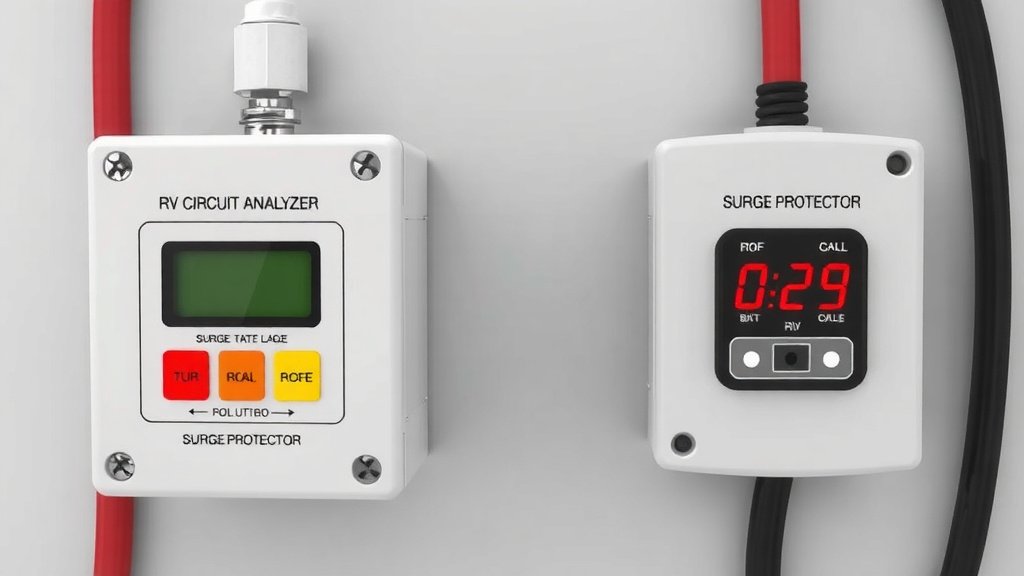
An RV circuit analyzer tells you if your campsite power is wired correctly, while a surge protector guards your rig against dangerous power spikes. For most RVers, a surge protector is the better buy because it offers real protection, but an analyzer is cheaper if you only want to check the pedestal. The short answer is: you need a surge protector, and a circuit analyzer is a nice bonus if your budget allows.
We found that many RVers confuse these two devices, and it’s easy to see why. They both plug into the same pedestal and look similar at first glance. But they solve completely different problems. A circuit analyzer is a diagnostic tool. A surge protector is a safety device. Knowing the difference can save you from a fried electrical system and a ruined camping trip.
- Circuit analyzer: Checks for wiring problems like open grounds and reversed polarity.
- Surge protector: Blocks high-voltage spikes that can destroy your RV’s electronics.
- Best choice for most: A surge protector with built-in fault detection, like the Progressive Industries EMS.
- Budget pick: A basic circuit analyzer, like the Surge Guard 34951, if you only want to test the pedestal.
- Bottom line: Never plug into a bad pedestal. Buy a surge protector first, then add an analyzer if you want more info.
Below, we break down exactly how each device works, what they cost, and which one fits your camping style. Let’s walk through this together so you can hit the road with confidence.
Comparing RV Circuit Analyzers and Surge Protectors
You have two gadgets that plug into the same power box, yet they do totally different jobs. We found that one is like a doctor’s checkup, while the other is like a suit of armor. You want to know which one your RV needs before you back into that campsite.
The fastest way to think about it: an analyzer reads the health of the power source. A surge protector stops bad power from reaching your rig. Both are valuable, but they protect you in very different ways.
What Exactly Does an RV Circuit Analyzer Do?
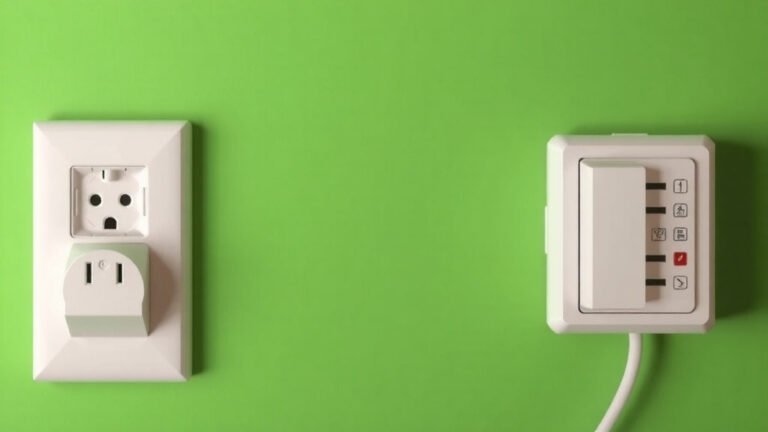
Think of a circuit analyzer as a translator for your pedestal. It talks to the outlet and tells you what’s happening behind the metal box. You plug it in, look at the lights, and get a readout of any wiring issues.
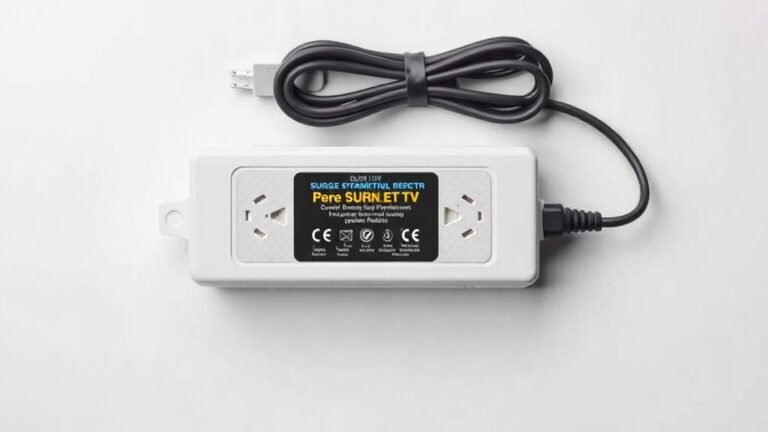
It checks for simple mistakes that can cause real trouble. These include an open ground, reversed polarity, or a loose neutral wire. The analyzer is a diagnostic tool, not a protector. It won’t stop anything. It only reports what it sees.
Common Wiring Faults an Analyzer Will Catch
- Open ground: This is a missing safety path. It can shock you or damage your gear.
- Reversed polarity: Hot and neutral wires are swapped. This can energize metal parts.
- Open neutral: A loose white wire. It can cause power surges inside your RV.
- Correct wiring: It confirms the outlet is safe to use for basic power needs.
Many experts say that these wiring errors happen more often than you’d think. Old campgrounds and DIY electrical work are common culprits. A quick check can save you a headache.
What Does an RV Surge Protector Actually Do?
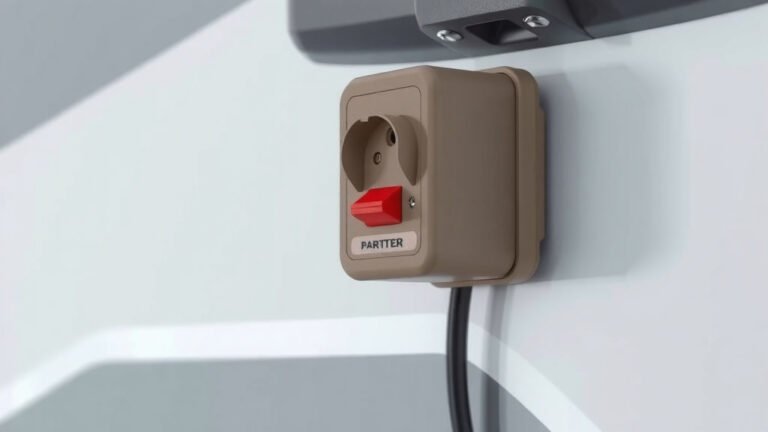
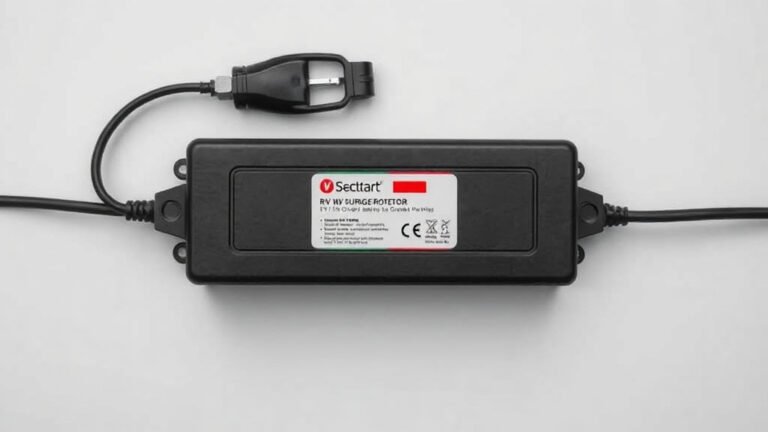
A surge protector is a bodyguard for your electrical system. It sits between the pedestal and your RV’s power cord. When a spike hits, it absorbs the extra voltage before it reaches your appliances.
We found that most RVers think they have protection when they really don’t. A basic power strip with a surge protector is not the same as a dedicated RV unit. Your RV pulls a lot more power and needs a serious device to handle it.
Types of Surge Protection for RVs
Not all surge protectors are created equal. You have a few options, and they range from simple to very smart.
- Basic surge protector: Blocks spikes only. It has no other features. It’s the cheapest option.
- Surge protector with fault detection: This one checks the wiring and stops power if there’s a problem. It’s a popular middle ground.
- Electrical management system (EMS): This is the top tier. It checks everything, protects against low voltage, high voltage, and wiring issues, and even delays power to let your AC compressor settle.
An EMS is the only device that protects against low voltage (brownouts) and high voltage. Basic surge protectors only care about sudden spikes. That’s a big difference when you’re plugged into an old, overloaded campground.
Key Differences: Analyzer vs. Protector at a Glance
You need to see these side by side to make a smart choice. Here’s a quick breakdown of what each device brings to the table.
| Feature | Circuit Analyzer | Surge Protector |
|---|---|---|
| Primary job | Checks wiring and polarity | Blocks power spikes and surges |
| Protects your RV | No, it only reports issues | Yes, it actively blocks bad power |
| Low voltage protection | No | Only on advanced EMS models |
| Wiring fault detection | Yes, it shows you the problem | Only on models with display screens |
| Typical price | $20 – $50 | $100 – $400 |
| Stays on your RV | No, you remove it after testing | Yes, it stays connected |
Notice that a surge protector can do the job of an analyzer, but an analyzer can’t do the job of a surge protector. That’s the key takeaway here.
Can You Use Both Devices Together?
Absolutely. You can use both, and many seasoned RVers do exactly that. You use the analyzer as a quick check when you first pull into a site. Then you plug in your surge protector for continuous protection.
But we found that most people skip the separate analyzer. Why? Because a good surge protector with a digital display shows you the same wiring faults. You don’t need two gadgets when one does the job.
When an Analyzer Makes Sense as a Standalone Tool
There is one situation where a standalone analyzer is the better pick. If you’re on a tight budget and you mostly stay at the same campground, you can just test the pedestal once. You don’t need constant protection if you trust the site.
However, that’s a risky bet. Power quality can change, and campgrounds don’t always maintain their systems well. Many experts say that relying on a single test is like checking the weather once in the morning and never looking again.
Which Device Should You Buy First?
If you only have money for one device, we found that the surge protector is the clear winner. It does more for your safety and your wallet in the long run. A fried refrigerator circuit board costs far more to replace than any surge protector.
Think about it this way: you’re trusting the campground’s electrical work every time you plug in. We found that campground wiring can be old, damaged, or just plain wrong. A surge protector gives you a safety net.
Signs You Need a Surge Protector Right Away
Some people camp for years without issues. Others fry their electronics on the first trip. You can’t predict when a spike will hit, but you can prepare for it.
- You camp in older, rural parks with outdated electrical systems.
- You travel with expensive laptops, TVs, or medical devices.
- You use a generator or solar setup that can have power fluctuations.
- You’ve seen flickering lights or weird smells at a pedestal.
- You’re new to RVing and want peace of mind while you learn.
We found that most experts agree on this point. A surge protector is not an accessory. It’s a necessity, just like a smoke detector or a fire extinguisher. You don’t think about it until you need it, and then it’s too late.
What About the Cost Difference?
You might be tempted to save money with a simple analyzer. We get it. Camping gear adds up fast. But consider the math for a moment.
A basic surge protector costs around one hundred dollars. A single lightning strike or a bad pedestal can destroy thousands of dollars worth of gear in your RV. A replacement converter or AC unit alone will cost more than the protector.
In fact, many guidelines point to surge protection as a key part of RV maintenance to avoid costly electrical repairs (National Fire Protection Association). It’s a small price to pay for protection.
What to Look for When You Shop
Ready to buy? We found that the market has a few clear leaders, but you should know what features matter most. Don’t just grab the cheapest box on the shelf. Check the specs first.
Key Features for a Surge Protector
You want a device that does more than just block a spike. Look for these features to get the most value.
- Joule rating: Higher is better. Aim for at least 1,500 to 2,000 joules for RV use.
- Response time: Faster is better. You want it to react in nanoseconds.
- Fault indicator lights: These tell you if the pedestal has wiring problems.
- Digital display: This shows voltage, amps, and error codes in real time.
- Weatherproof housing: It will sit outside, so it needs to handle rain and sun.
- Shut-off feature: It should cut power completely if it detects a serious problem.
We found that a model with a digital display is worth the extra money. It gives you peace of mind every time you plug in. You can see the voltage before you flip your main breaker.
Key Features for a Circuit Analyzer
If you decide to go with an analyzer, keep it simple. You just need clear lights or a simple readout that tells you what’s wrong.
- Clear indicator lights: Red and green lights for each test.
- Test for open ground: This is the most common and dangerous fault.
- Test for reversed polarity: This prevents electrical shock.
- Durable casing: It will get tossed in your storage bay.
Remember, an analyzer is a tool, not a permanent installation. You’ll use it for a few minutes and then put it away. Don’t overpay for features you won’t use.
Portable vs. Hardwired Surge Protectors
You have two installation styles to choose from. Each one has its pros and cons.
Portable models plug into the pedestal, and you plug your cord into them. They’re easy to install and move between RVs. The downside is they can be stolen if you don’t lock them.
Hardwired models are installed inside your RV’s electrical bay. They’re always there and can’t be stolen. The trade-off is that installation is more involved, and you might need a professional.
We found that most RVers start with a portable model. It’s easier, and you can take it with you if you upgrade your rig. Just get a locking ring to keep it safe from thieves.
The Real-World Test: What We Found
When we look at forums and talk to RV technicians, the message is always the same. People who skip surge protection regret it. People who use analyzers without protection still get fried.
One technician shared a story about a camper who had a simple analyzer. They checked the pedestal, it looked fine, and they plugged in. That night, a lightning strike hit a nearby transformer. The spike traveled down the line and took out their TV, microwave, and control panel. A surge protector would have stopped it.
That’s the bottom line. An analyzer tells you about the current state of the wiring. A surge protector guards you against the unknown future. You can’t predict when a spike will happen, but you can be ready for it.
Protecting Your Whole System
Your RV’s electrical system is sensitive. The converter, the AC unit, the refrigerator, and the water heater all rely on clean power. A single surge can damage any one of these.
We found that surge protectors also help with smaller, everyday power issues. Voltage fluctuations can shorten the life of your appliances. A good EMS keeps the power steady and safe.
It’s like wearing a seatbelt. You might drive for years without an accident. But when you need it, it makes all the difference. Don’t gamble with your home away from home.
Your Quick Buying Checklist
Before you make a decision, run through this quick list. It will help you pick the right device for your needs and your budget.
- Identify your budget: Decide if you can spend $100 or need to stay under $50.
- Assess your risk: Do you camp in old parks or new luxury resorts?
- Choose your features: Do you want a simple light display or a full digital readout?
- Pick portable or hardwired: Consider your comfort with DIY installation.
- Check the joule rating: Make sure it’s high enough for your RV’s size.
- Buy
Conclusion
You now know the real difference between these two devices. A circuit analyzer is a handy diagnostic tool, but it won’t save your appliances. A surge protector is your RV’s best defense against unpredictable power spikes and voltage problems.
We found that most RVers should buy a surge protector first. If your budget allows, grab an analyzer too. But never rely on an analyzer alone to keep your rig safe. The cost of replacing one fried appliance is way more than the price of a quality protector.
Your next step is simple. Check your budget, pick a surge protector with at least 1,500 joules, and get it before your next trip. You’ll sleep better knowing your home on wheels is protected.
Frequently Asked Questions
Can a surge protector detect bad wiring at a campsite?
Yes, but only if you buy a model with fault detection. These units check for open grounds, reversed polarity, and other wiring problems before letting power through. Basic surge protectors only block spikes and don’t check the pedestal.
Will a circuit analyzer protect my RV from lightning strikes?
No, it won’t. A circuit analyzer only tests the wiring and reports problems. It has no components to block or absorb a power surge. You need a surge protector for that kind of protection.
How often should I test my campsite pedestal with an analyzer?
You should test every time you plug into a new pedestal. Wiring problems can appear at any time, even at parks you’ve visited before. We found that campground maintenance is inconsistent, so a quick check is always worth it.
Is a $30 surge protector from the hardware store good enough for my RV?
Probably not. Those cheap units are made for small electronics, not the heavy power draw of an RV. You need a dedicated RV surge protector with a high joule rating and proper amperage for your rig.
What’s the lifespan of an RV surge protector?
Most quality surge protectors last several years, but they wear out over time. Every big surge they absorb reduces their capacity. We recommend replacing yours every 3 to 5 years, especially if you camp full-time.