How to Choose the Right RV Surge Protector
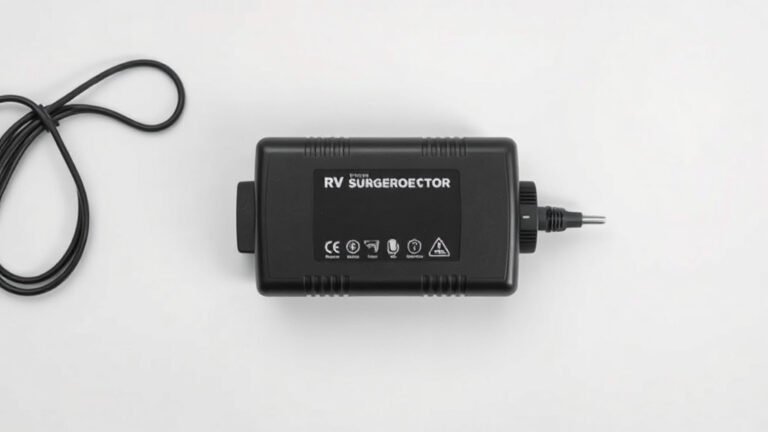
For your RV, you need a surge protector that handles at least 30 or 50 amps (matching your rig), and ideally one with automatic shutoff and error detection. The best choice is a smart surge protector that cuts power when it detects a problem, not just a basic power strip.
Your RV’s electrical system is expensive to replace. We found that most campground pedestals have dirty power, voltage spikes, and wiring mistakes. A good surge protector acts like a bodyguard for your motorhome or travel trailer. It keeps your appliances, TV, and air conditioner safe from sudden power surges and brownouts. Picking the right one means looking at the amperage, the protection level in joules, and whether it has a display to show you the power quality.
- Match the amperage to your RV: 30 amp or 50 amp.
- Look for over 1,000 joules of protection to absorb big spikes.
- Choose a smart protector that shuts off power on bad wiring, open neutral, or low voltage.
- Get one with an LED display to check the pedestal power before you plug in.
- Consider a hardwired model for permanent protection on the RV itself.
Below, we break down the different types, the exact features you need, and our top picks for keeping your rig safe this season. Let’s get your RV plugged in with total peace of mind.
Choosing the Right Surge Protector for Your RV Setup
You need a surge protector that matches your RV’s electrical service. That means 30 amp for most travel trailers and 50 amp for larger motorhomes and fifth wheels. Getting this wrong can lead to a tripped breaker or even damage to your cord.
We found that many new RV owners grab a standard household power strip, and that is a big mistake. A household strip won’t handle the continuous load of an air conditioner. It also does nothing to stop a faulty pedestal from frying your microwave.
Why Your RV Needs More Than a Basic Power Strip
Campground power is not always clean. We found that pedestals get old, wires get loose, and lightning strikes nearby can send a spike straight into your coach. A basic power strip only protects against short circuits, not against low voltage or a lost neutral wire.
Your RV’s converter, television, and refrigerator are all sensitive to dirty power. A sudden spike can destroy the circuit boards in these appliances. A dedicated RV surge protector checks the power first and cuts it off if something looks wrong (Consumer Reports).
The Real Threats Lurking in the Pedestal
Most people worry about a lightning bolt hitting the campground. That is rare. The bigger problem is a loose neutral wire or a worn-out breaker inside the pedestal box.
- Open neutral: Causes voltage to spike to 240 volts, which can cook your electronics.
- Low voltage: Makes your air conditioner motor run hot and struggle.
- Wiring faults: Missing ground or reversed polarity can shock you or damage equipment.
How a Smart Protector Works
A smart surge protector reads the power before it lets it through to your RV. If it sees a problem, it clicks off. Then it shows an error code on a small screen so you know exactly what is wrong.
Many experts say that this diagnostic display is worth the extra money. Instead of guessing why your power keeps dropping, you can read the code and know the pedestal is faulty. You simply move to another site or ask the campground manager to fix it.
Key Specs to Look For: Amps, Joules, and Response Time
Three numbers matter when you compare surge protectors. Amperage, joule rating, and clamping voltage. You need all three to be right for your rig.
We found that most RV owners skip the spec sheet and just buy the cheapest unit. That can give you a false sense of security. Here is what those numbers actually mean for you.
Amperage: Match Your Power Cord Type
Look at the end of your power cord. If it has three prongs in a triangle, you have a 30 amp service. If it has four prongs and looks like a big L-shape, you have a 50 amp service.
Buy the protector that matches that plug exactly. There is no universal adapter that works for both. Using a 50 amp protector on a 30 amp RV with an adapter is messy and often unsafe (National Fire Protection Association guidelines).
Joule Rating: The Energy Absorption Number
Joules measure how much surge energy the protector can absorb before it gives up. Higher is better. We recommend at least 1,000 joules for any RV.
Look for 1,500 to 2,000 joules or more if you camp in storm-prone areas. Every time the protector takes a hit, that number goes down. Eventually, it stops protecting. Some models have an indicator light that tells you when the protection is used up.
Clamping Voltage: The Trigger Point
Clamping voltage is the moment the protector reacts to a spike. Lower is better. For example, a rating of 330 volts means it reacts faster than a unit rated at 400 volts.
Most quality RV protectors use a metal oxide varistor, or MOV, to absorb the surge. The more MOVs inside, the faster the reaction and the longer the unit lasts.
Portable vs. Hardwired Surge Protectors
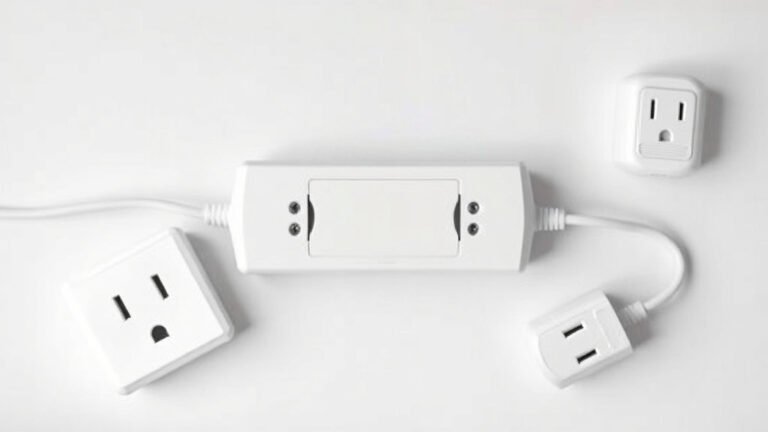
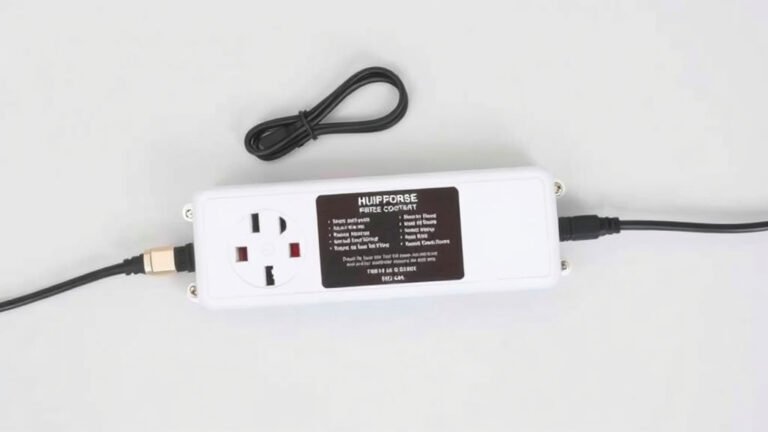
You have two main styles to choose from. A portable unit plugs into the pedestal, and your RV cord plugs into the unit. A hardwired unit mounts inside your RV’s electrical bay, usually near the breaker panel.
Your choice comes down to theft risk, convenience, and whether you want to protect against internal wiring problems.
Portable Units: Easy and Visible
Portable protectors hang right at the pedestal. You can see the display without opening any compartment doors. That makes them perfect for checking power quality before you even plug in your rig.
The downside is theft. A portable unit sitting outside is easy to grab. Many models come with a locking ring that goes through the pedestal handle. Always use that lock in public campgrounds.
Hardwired Units: Permanent Protection
Hardwired protectors are installed inside the RV. They protect you even if you plug into a friend’s house or a construction site power pole. No one can steal it, and it is always working. If you have a 50 amp rig, our roundup of the best hardwired 50 amp surge protectors can help you choose a permanent solution.
Installation is more involved. You often need to wire it into your main breaker panel. If you are comfortable with electrical work, it takes about an hour. Otherwise, hire a certified RV technician to do it correctly.
Smart Features That Justify the Extra Cost
Premium models cost more, but they offer features that pay for themselves in a single camping trip. We found that the two most valuable features are automatic shutoff and a digital display.
Without automatic shutoff, your protector can only absorb a surge. It cannot stop sustained low voltage or a reversed polarity wiring error. A smart unit cuts power instantly and refuses to let it back on until the problem clears.
Display Diagnostics and Error Codes
Modern units show you the current voltage, amperage draw, and frequency. If something is wrong, they give you an error code like E1 for open ground or E2 for reversed polarity.
That code also helps you know when it is safe to plug back in. Many campers use this to prove to the campground manager that their pedestal is broken, not their RV.
Remote Monitoring and App Control
Some high-end protectors connect to your phone over Bluetooth or Wi-Fi. You can check voltage while you are away at the beach or walking the dog.
Some models even send an alert if the power dips or spikes. This is a nice extra if you run your rig’s internet router or a modem for work while on the road.

Portable and Hardwired Top Features Comparison
Here is a quick breakdown of what you get with each style. Use this to decide which matters more for your camping habits.
| Feature | Portable Protector | Hardwired Protector |
|---|---|---|
| Theft risk | High without a locking ring | None, it is mounted inside |
| Display visibility | Easy to see at the pedestal | May need to open a bay door |
| Installation | Plug and play, no tools | Requires wiring into the panel |
| Protection from internal faults | Only protects the cord to it | Protects entire RV system |
| Best for | Renters and first-time buyers | Full-timers and seasonal campers |
How Much Should You Spend on an RV Surge Protector?
Budget models start around 40 dollars. They are simple power strips with a basic surge element. They will not shut off on low voltage or show you an error code.
Decent portable smart units run between 150 and 250 dollars. Hardwired models range from 200 to 400 dollars. The high-end remote-monitoring units can hit 500 dollars or more.
Your RV’s electrical system costs thousands of dollars to replace. Spending 200 dollars on protection is a tiny insurance premium for that peace of mind, especially when you camp in older state parks with outdated wiring.
A Quick Checklist Before You Buy
Before you click the buy button, run through this checklist. It covers the most common reasons people end up with the wrong protector.
- Check your power cord plug type, 30 amp or 50 amp, and match it exactly.
- Confirm the joule rating is at least 1,000, and prefer 1,500 or more.
- Make sure it has automatic shutoff for low voltage and open neutral.
- Look for a visible display or indicator lights for power diagnostics.
- Decide if you want a locking ring or a hardwired install for security.
- Check the warranty length, a 3-year or longer warranty is a good sign.
Final Thoughts on Picking the Right Unit
The best surge protector is the one that matches your amp service and actually shuts off the power when there is a problem. That means skipping basic power strips and picking a smart unit with diagnostics.
If you are a new RVer, start with a portable model. It is affordable, easy to use, and teaches you about the campground’s power before you connect. As you camp more, you can always upgrade to a hardwired unit for permanent protection. For new RVers on a budget, our guide to the best budget 30 amp surge protectors highlights affordable smart options.
Your RV is more than a vehicle. It is your home base for adventures. Guard it with a proper surge protector, and you will keep the lights on, the AC blowing, and the coffee brewing no matter what the pedestal throws at you.
Conclusion
You don’t need to overthink this. Match the surge protector to your RV’s amp service, make sure it has at least 1,000 joules of protection, and get one with automatic shutoff. That is the winning combination.
We found that portable smart units work best for most campers. They are easy to use, show you the power quality before you plug in, and come with error codes that tell you exactly what is wrong with a pedestal. If you camp full-time, a hardwired unit gives you permanent peace of mind.
Your next step is simple: go look at the end of your power cord, figure out if you need 30 or 50 amp, then pick a smart protector from a reputable brand. Do that before your next trip and you’ll never worry about a bad pedestal again.
Frequently Asked Questions
Can I use a regular house surge protector in my RV?
No, you should not. Household surge protectors are not built to handle the continuous load of an RV air conditioner or the vibration of travel. They also lack the automatic shutoff and error detection that protects you from bad campground wiring.
How long does an RV surge protector last?
Most quality units last between 3 and 5 years with regular use. Every time they absorb a surge, the internal components degrade. Watch for the indicator light that shows protection status, and replace the unit if it goes out or if the warranty has expired.
Do I need a surge protector if my RV is plugged into a home outlet?
Yes, you still need one. Home outlets can have faulty wiring, loose connections, or voltage drops too. A surge protector catches those problems before they reach your RV’s electrical system, even when you’re at home prepping for a trip.
Is an electrical management system the same as a surge protector?
Not exactly. A surge protector absorbs voltage spikes and shuts off during dangerous conditions. An electrical management system does that plus more, like delaying power restoration to let your AC compressor rest and monitoring overall power usage. An EMS is the premium option if you want maximum protection.
What does the surge protector error code E1 or E2 mean?
E1 usually means an open ground, which is a missing or broken ground wire in the pedestal. E2 means reversed polarity, where the hot and neutral wires are swapped. Both are dangerous and can shock you or damage your electronics. If you see these codes, do not plug in and find another site.