RV Surge Protector Reset: Step-by-Step Guide
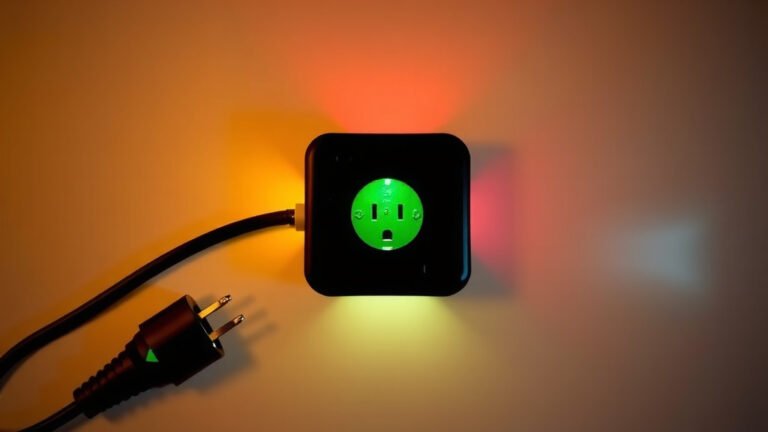
To reset an RV surge protector, simply unplug it from the power pedestal, wait about 60 seconds, and plug it back in. This power cycle clears the error code and resets the internal circuitry. You should see the green “power good” light come back on once it’s ready to protect your rig again.
Surge protectors trip for a variety of reasons, from a simple voltage spike to a faulty campground pedestal. While the reset sounds easy, understanding why your RV surge protector keeps tripping can save you future headaches. We found that most reset issues are linked to a few common problems, including low voltage, an open ground, or a simple false alarm from the unit itself.
- Do the basics first: Unplug, wait 60 seconds, and plug back in.
- Know your error code: Check the instruction manual or the LED display to see what fault tripped it.
- Test the pedestal: Use a multimeter to verify the campsite power is stable before plugging in again.
- Check for an internal breaker: Some units have a small reset button you might have missed.
- Call support if it repeats: If it trips again immediately, the protector might be fried or the campsite wiring is dangerous.
Below, let’s walk through the step-by-step process for resetting your unit safely, plus how to decode those confusing blinking lights without losing your cool.
Resetting Your RV Surge Protector Step by Step
You plug in at a beautiful campsite, and nothing happens. Your surge protector is blinking red and refusing to play nice. Before you panic, take a breath. We found that most surge protector resets follow a similar pattern across brands like Progressive Industries, Hughes, and Camco.
The goal is simple: get that green light back on and protect your electrical system. Here is the safest way to do it.
Step 1: Unplug Everything Safely
Turn off the breaker on the power pedestal first. This cuts the flow of electricity before you handle anything. Then, unplug your surge protector from the pedestal. If you have a hardwired unit, flip the main breaker inside your RV instead.
Many folks forget this step and try to reset while everything is live. That is a recipe for a nasty shock. We found that taking thirty extra seconds here prevents most accidents.
Step 2: Wait 60 Seconds and Inspect
Set a timer. Wait a full minute. This isn’t just for show. The capacitors inside your surge protector need time to drain. Those capacitors hold electrical charge even after unplugging.
While you wait, inspect the unit. Look for scorch marks, a burnt smell, or melted plastic. If anything looks damaged, do not plug it back in. That is a sign of a fried unit that needs replacement, not a reset.
Step 3: Check for an Internal Breaker or Button
Not all surge protectors have this, but many portable models do. Look for a small push-button or a little breaker switch on the side or face of the unit. It is often labeled “Reset” or has a tiny reset symbol.
If you find it, press it firmly. You should feel a slight click. We found that some newer models have this hidden near the cord exit. Check your manual if you cannot spot it right away.
Step 4: Plug Back In and Watch the Display
Plug the surge protector back into the pedestal first. Then, plug your RV cord into the surge protector. Turn the pedestal breaker back on. Watch the LED display carefully for the first few seconds.
A normal startup takes about 6 to 10 seconds. You will see the unit run a self-test. If the green “power good” light comes on and stays steady, you are set. If it blinks red or shows an error code again, read on.
Decoding Error Lights on Your RV Surge Protector
That blinking light isn’t random. Each pattern means something different. We found that misreading error codes causes the most confusion among RV owners. The good news is that most codes are straightforward once you know what to look for.
Your instruction manual has a code chart. Keep it handy. But here are the most common ones you will see:
| Error Code | Meaning | What To Do |
|---|---|---|
| Single Red Blink | Open ground detected | Pedestal wiring issue. Do not use this site. |
| Two Red Blinks | Reverse polarity | Hot and neutral wires are swapped. Use another pedestal. |
| Three Red Blinks | Low voltage (below 104V) | Check voltage with a multimeter. Might be peak hour. |
| Four Red Blinks | High voltage (above 132V) | Unplug immediately. Dangerous for your RV. |
| Solid Red | Internal fault | Unit is likely damaged. Contact manufacturer. |
Many guidelines point to checking pedestal wiring before blaming your protector (National Electrical Code standards). The pedestal may look fine but have dangerous wiring underneath. Trust the surge protector’s readings.
The Green Light Means Good to Go
Some models show a green light only after all diagnostics pass. That light is your green flag. It means the ground is good, the polarity is correct, and the voltage is within safe range (typically 104V to 132V).
If you see green but your RV still doesn’t work, the problem is downstream. Check your RV’s internal breakers next. The surge protector is doing its job.
Testing the Power Pedestal Before You Reset Again
So your surge protector tripped again after a reset. That second trip is a clear warning. Something at the pedestal is wrong, and your protector just saved your RV from damage.
We found that tripping twice in a row almost always points to a pedestal issue, not a unit malfunction. Pull out a multimeter and test the pedestal yourself. It takes two minutes and beats resetting a dozen times.
How to Test Campground Power Like a Pro
Set your multimeter to AC voltage and the range to 200 volts. Put one probe in the left slot and one in the right slot of the pedestal’s 30-amp or 50-amp outlet. You want to see between 108V and 125V for a 30-amp service.
Next, test between the hot slot and the ground. And then between neutral and ground. The neutral-to-ground reading should be near zero volts. Anything above 2V suggests a wiring problem.
If readings look off, head to the campground office. Tell them which pedestal is acting up. They will appreciate the heads up and probably swap you to a different site. Most campgrounds have maintenance staff that can fix pedestal issues quickly.
Weather-Related Resets and False Trips
Mother Nature likes to mess with electrical systems. We found that surge protectors trip more often during storms and extreme heat. A lightning strike miles away can cause a voltage surge that trips your unit.
Heat is another culprit. High voltage spikes often happen during peak electricity usage times when the grid is under stress. If your surge protector trips around dinner time in July, blame the heat before blaming the unit.
Voltage Fluctuations on Hot Days
Many experts say that voltage dips are more common on hot summer weekends. Every RV in the park runs their AC at once. The campground’s transformer struggles to keep up. Voltage drops below the safe threshold, and your surge protector does its job.
Wait for the spike to pass. Try resetting in the early morning when power demand is lower. If it resets fine at 6 AM but trips at 6 PM, you have a campground capacity problem, not a protector problem.
What To Do When the Reset Button Does Nothing
You pressed every button, waited the full minute, and still get nothing but red lights. This is the frustrating zone. But do not rip the unit off the pedestal just yet. There are a few last things to try.
First, check the pedestal breaker itself. Sometimes the campground’s breaker trips and looks fine but is actually off. Flip it all the way off and then all the way on. That resets the pedestal side.
Then, inspect your RV power cord for damage. A frayed or chewed cord (yes, squirrels love those) can cause a fault. Look for cuts, exposed wire, or burn marks near the plug ends.
Bypass the Protector Temporarily (Carefully)
Plug your RV cord directly into the pedestal without the surge protector for a quick test. If your RV works fine, the surge protector is the problem. If your RV still has issues, the problem is in your cord or the pedestal itself.
This bypass test should only take 30 seconds. Do not run your RV this way long term. Surge protectors guard against power surges that can fry your appliances and electronics. Running unprotected is a gamble.
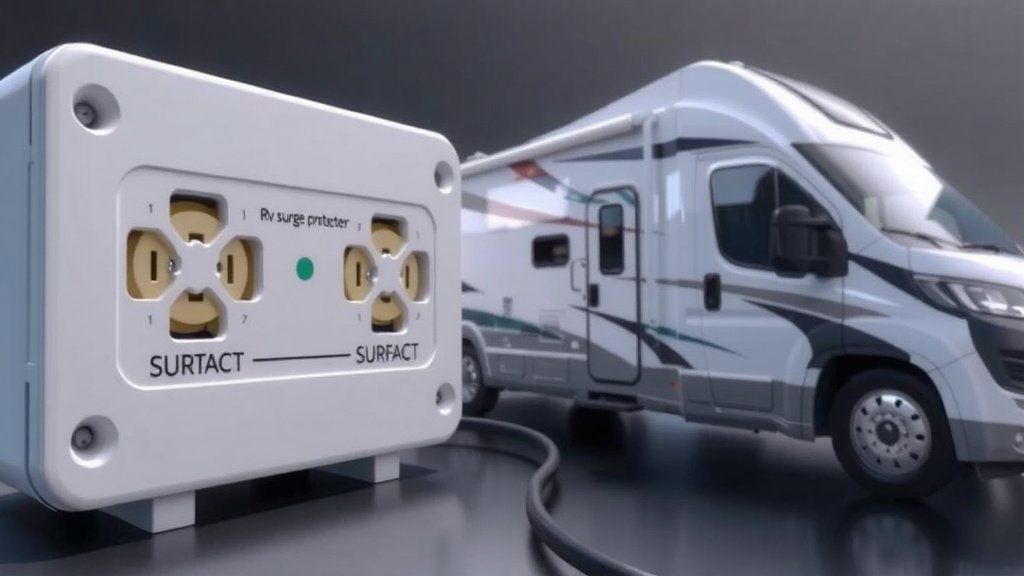
Replacement Signs for an Old Surge Protector
Every surge protector has a lifespan. We found that most RV surge protectors last between 3 and 7 years, depending on usage and how many surges they absorb. Every surge wears down the internal components a little more.
Surge protectors are sacrificial devices. They take the hit so your RV doesn’t. But they cannot take hits forever.
- Burnt smell: A distinct electrical burning odor is a death sentence.
- Discolored casing: Yellowing or browning around the plug area means overheating.
- Won’t show any lights: Dead display with power connected means internal failure.
- Trips on every pedestal: If it fails across multiple sites, the unit is faulty.
- Physical damage: Cracked casing or bent prongs are safety risks.
Replacement costs range from $60 for basic models to over $400 for smart surge protectors with Bluetooth. Compare that to the cost of replacing your RV’s fridge, AC unit, or entire electrical system. The protector pays for itself.
Creating Your Surge Protector Reset Checklist
You do not want to figure this out in the dark while mosquitoes feast on your ankles. Print this checklist and keep it in your RV glovebox or near the power compartment. Future you will say thanks.
- Turn off the pedestal breaker before touching anything.
- Unplug the surge protector and wait 60 full seconds.
- Press the internal reset button if your model has one.
- Inspect for damage like melting, scorching, or frayed cords.
- Test the pedestal voltage with a multimeter for peace of mind.
- Plug back in and watch the LEDs for 10 seconds before celebrating.
Keep this checklist handy and you will handle most reset situations in under three minutes. No panic required.
When to Call a Professional or Manufacturer
If you have gone through every step and still get error lights, stop trying. Repeated plugging and unplugging will not fix an internal fault. It can actually damage the unit further.
Call the manufacturer’s support line. Most major brands have phone support and can walk you through diagnostics. They might also offer a warranty replacement if the unit is under warranty. We found that most RV surge protector brands offer a 1 to 3 year warranty.
For pedestal wiring issues, call the campground office. They have licensed electricians on call for exactly this situation. A pedestal with reverse polarity or an open ground is a safety hazard that needs professional attention.
Resetting is simple, but knowing when to stop is equally important. Your RV, your family, and your sanity are worth the extra phone call.
Conclusion
Resetting your RV surge protector is usually a simple 60-second fix. You unplug, wait, and plug back in. But the real lesson is understanding why it tripped in the first place. Trust your protector when it flags a problem at the pedestal.
You now know how to decode the error lights and test the power source yourself. That knowledge saves you time and protects your rig from serious damage. Keep the checklist we built together somewhere handy in your RV.
Your next step is simple: print out the reset checklist and store it near your power compartment. That way, your next trip starts smooth, and you avoid the guesswork when a red light appears.
Frequently Asked Questions
Can I reset my RV surge protector by turning off the breaker on the pedestal?
Yes, you can try this first. Turn the pedestal breaker all the way off, wait about 30 seconds, and flip it back on. This resets the power flow from the campground side. If your surge protector still shows an error, unplug it and wait a full 60 seconds before plugging back in.
Why does my surge protector trip when I plug into a brand new pedestal?
New doesn’t always mean safe. Campground pedestals sit outside in harsh weather, and wiring can loosen or corrode over time. We found that even new-looking pedestals can have open grounds or reverse polarity issues. Trust your surge protector’s readings, and ask the campground to test that site.
Is it safe to plug into a pedestal if my surge protector shows a low voltage error?
No, we do not recommend it. Low voltage below 104V can damage your RV’s air conditioner compressor and other motors over time. Your surge protector is protecting you from that harm. Wait for peak usage hours to pass, then test the voltage again with a multimeter.
How often should I expect to use the reset button on my surge protector?
In a healthy setup, you should rarely need to reset it. If you are resetting weekly, something is wrong. You likely have a pedestal wiring problem or an aging surge protector that needs replacement. We found that frequent resets point to a recurring power issue you should address.
Can a storm damage my surge protector even if it did not trip?
Yes, absolutely. A nearby lightning strike can send a massive surge that overwhelms the unit’s protection capacity. The protector may still show a green light afterward, but its internal components are weakened. If a major storm rolls through, we suggest visually inspecting the unit for any signs of damage before your next trip.