RV Surge Protector Troubleshooting Guide for 2026
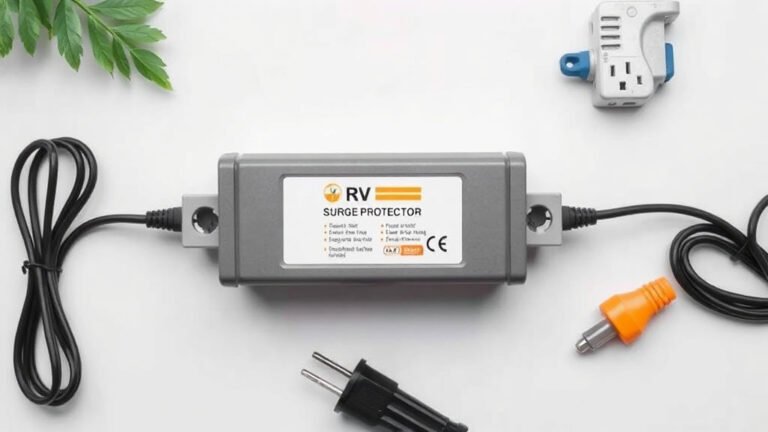
Most RV surge protector issues boil down to one of three things: a tripped breaker, a bad power pedestal, or a dirty connection. Before you panic, unplug your rig, check the pedestal’s reset buttons, and inspect the plug for burn marks. That fixes the majority of problems in under five minutes.
You rely on your surge protector to guard your RV’s electronics from damaging power spikes. When it faults, it’s usually doing its job. We found that many campers misinterpret a protector’s error code as a bigger issue than it really is. Sometimes the solution is as simple as trying a different outlet at the same campsite.
- Error codes mean it’s working: The protector is cutting power to save your rig.
- Check the pedestal first: Reset the GFCI and breakers before touching your unit.
- Look for loose wiring: A wobbly plug or burnt prong is a huge red flag.
- Basic fixes are easy: Tightening connections and cleaning contacts solves many drops.
- Get a pro for the rest: If it still faults, it’s not safe to keep forcing power through.
Below, we walk you through the most common surge protector faults step by step. You’ll learn what each error means and exactly how to fix it safely.
Fixing Common Surge Protector Faults on the Road
You plug in, the lights flicker, and then you see it — an error code on your surge protector. Take a breath. We found that most of these faults are easy to fix once you know what you’re looking at. Your protector is just telling you something isn’t right with the power coming from the pedestal.
Think of your surge protector like a bouncer at a club. It checks the power before letting it into your RV. If the power is too high, too low, or unstable, it shuts the door. That’s a good thing, even when it feels annoying.
Reading the Error Codes on Your Display
Every brand uses slightly different lights and codes. But the meaning is usually the same. You will see codes for open ground, reversed polarity, or high voltage. Check your manual first to know what your unit is saying.
We found that campers often skip this step. They see a red light and assume the protector is broken. In most cases, the code points to a problem with the campground’s wiring, not your gear.
Open Ground and Reversed Polarity
These two errors are about wiring. An open ground means the grounding wire isn’t connected properly. Reversed polarity means the hot and neutral wires are swapped. Both are dangerous and need fixing before you get power.
You can’t fix these on the pedestal easily. Tell the campground host. They need to call an electrician. Never try to bypass this error. Your RV’s metal frame could become live, and that’s a shock hazard.
High and Low Voltage Errors
Voltage errors are the most common we see. High voltage means the pedestal is sending too much power. Low voltage means it’s not sending enough. Your surge protector cuts power to keep your appliances safe.
Many experts say that low voltage is harder on your AC unit than high voltage. The compressor works harder and gets hotter. If you see a low voltage error, try a different pedestal in the same park. The problem might only affect one spot.
Checking the Power Pedestal Before You Blame Your Gear
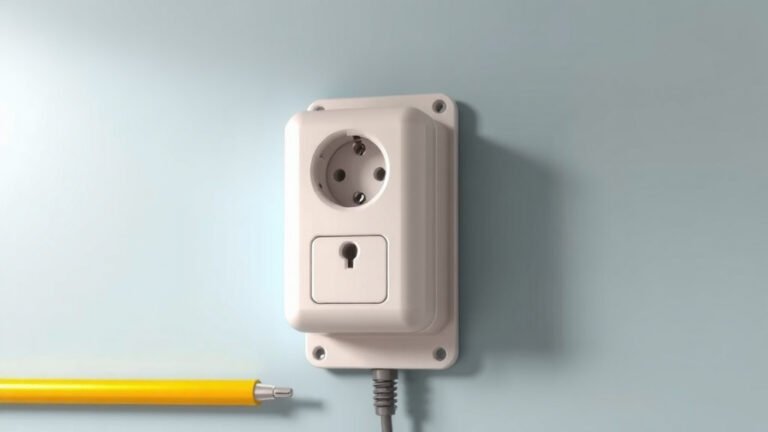
The pedestal is the metal box on the post where you plug in. It’s the first thing to inspect when your surge protector faults. We found that a huge number of issues start right here, not in your RV or your protector.
Pedestals sit outside in all weather. Rain, snow, and bugs get inside. That causes breakers to trip and connections to corrode. A quick check can save you an hour of frustration.
Resetting the Breakers and GFCI Outlets
Open the pedestal door. Look for a small reset button and a few breaker switches. If a breaker is in the middle position, it tripped. Push it fully to the off position, then back on. Do this for all breakers in the box.
Also check for a GFCI outlet. It looks like a regular outlet with two small buttons labeled “Test” and “Reset.” Press the “Reset” button. We found that many campers miss this step, and it solves the problem instantly.
Inspecting the Receptacle for Burn Marks
Look closely at the outlet where you plug in your shore power cord. Do you see black marks, melting, or a brownish tint? That’s a sign of a bad connection. The plug was loose, causing heat to build up over time.
If you see burn marks, don’t plug in there. Use a different pedestal or ask for a site change. A burnt outlet can damage the prongs on your cord and ruin your surge protector’s inlet.
Cleaning and Tightening Your Shore Power Connections
Dirty or loose connections cause voltage drops. A voltage drop makes your surge protector think the power is bad. It shuts off to protect your rig. Cleaning your connections is a simple fix that prevents many errors.
You should do this at the start of every camping season. We found that a little maintenance goes a long way. It’s like changing the oil in your truck — you don’t wait for it to fail.
How to Clean the Prongs on Your Power Cord
Unplug everything first. Then, take a dry, clean cloth and wipe the metal prongs on your shore power cord. If you see green or white buildup, that’s corrosion. Use a very fine sandpaper or an emery cloth to gently scrub it off.
Be careful not to scratch the metal too deep. You just want to remove the film on the surface. After cleaning, wipe it down one more time with a dry cloth to remove any dust.
Tightening the Connection at Both Ends
A loose connection is a fire risk. When the plug wiggles, it creates resistance. Resistance creates heat. Heat melts plastic and damages wiring. Make sure your cord plugs in snugly at the pedestal and at your RV.
Some RV models have an inlet that wears out over time. If the plug feels loose inside the inlet, the inlet might need replacing. Many experts say that replacing a worn inlet is cheaper than replacing the electronics it protects.
Dealing with a Surge Protector That Keeps Tripping
You cleaned everything. You reset the breakers. The pedestal looks fine. But your surge protector still trips. This is frustrating, but there is a logical way to work through it. Don’t just keep resetting the unit and hoping for the best.
We found that a protector that trips repeatedly is usually catching a real problem. Forcing it to bypass the fault is dangerous. You need to test each part of the system one by one to find the culprit.
Testing Your RV’s Internal Breaker Panel
Your RV has its own breaker panel inside. Sometimes a breaker in your rig trips, and it confuses the surge protector. Go inside and check all the breakers. Reset any that are not fully in the “on” position.
Pay special attention to the main breaker. If it’s weak, it can cause issues. A weak main breaker might trip under a normal load, like when your AC kicks on. This makes the surge protector think there’s a problem upstream.
Using a Multimeter to Verify Pedestal Power
A multimeter is a cheap tool that measures voltage. You can use it to check if the pedestal is actually sending the right power. Set it to measure AC voltage. Stick the probes into the outlet slots to see the reading.
You should see around 120 volts on a standard outlet. For a 50-amp pedestal, you should see 240 volts between the two hot legs. If the reading is way off, the pedestal is the problem, and you should report it.

When to Replace Your RV Surge Protector
Surge protectors don’t last forever. They take hits to save your RV. Every big surge damages the components inside a little bit. After enough hits, the unit stops working correctly. Replacing it is the only safe option at that point.
We found that most surge protectors last between 3 and 5 years with regular use. If you camp full-time, you might need a new one sooner. If you only camp a few times a year, it could last much longer.
Signs Your Unit Has Reached the End of Its Life
- The display is blank even when plugged into a known-good pedestal.
- The unit is hot to the touch, even when no power is flowing.
- You see melted plastic or a burnt smell coming from the case.
- The error codes no longer match the actual conditions at the pedestal.
- The unit makes a buzzing or crackling sound while in use.
- It trips instantly on every outlet, even ones that work for other RVs.
If any of these sound familiar, stop using the unit. A failing surge protector gives you a false sense of security. You might think you’re protected when you’re not. That’s a risk you don’t want to take with a $50,000 RV.
Picking a Replacement That Fits Your Needs
When you shop for a new one, match the amperage to your RV. A 30-amp RV needs a 30-amp protector. A 50-amp RV needs a 50-amp unit. Getting the wrong one is a waste of money and could be unsafe.
Consider a hardwired model if you want to avoid theft. Portable models are easier to install but can grow legs at a campground. We found that many campers prefer portable units for the simple plug-and-play setup.
| Feature | Portable Model | Hardwired Model |
|---|---|---|
| Installation | Plugs into pedestal | Wired into RV electrical system |
| Theft risk | High if left unattended | Low, it’s bolted in |
| Replacement cost | Lower upfront | Higher with labor |
| Display visibility | Easy to check outside | Need to open a panel |
Preventing Future Surge Protector Problems
The best way to deal with surge protector issues is to stop them before they start. A few small habits can save you a lot of headaches. You don’t need to be an electrician to keep your power system happy. Understanding the difference between a surge protector vs. EMS helps you choose the right protection level.
Start with a simple routine. Every time you set up camp, give your connections a quick look. We found that a 30-second visual check catches most problems early. Look for wear, dirt, or anything that seems off.
Building a Pre-Trip Power Checklist
- Inspect the prongs on your shore power cord for rust or bending.
- Check the rubber gasket on the pedestal cover for cracks.
- Plug in your surge protector before you plug in your cord.
- Verify the display shows normal voltage before turning on your AC.
- Walk around the pedestal to check for standing water or damage.
- Store your cord in a dry bin to keep moisture out of the connectors.
These steps take less than five minutes. They prevent most of the common faults we covered above. A little prevention beats a lot of troubleshooting any day.
Using a Heavy-Duty Extension Cord the Right Way
Sometimes you need a longer cord to reach the pedestal. That’s fine, but you need to use the right one. An undersized extension cord causes a voltage drop. That drop makes your surge protector trip, even if the pedestal is perfect.
Use a cord rated for at least the same amperage as your RV. A 10-gauge cord is the minimum for a 30-amp setup. For a 50-amp rig, you need a 6-gauge cord. Check the label on the cord to confirm the gauge before you buy.
Keep the cord as short as possible. Every foot of wire adds a little resistance. Coil up the extra length loosely. Never leave a coiled cord under load, as it can trap heat and melt the insulation.
Conclusion
You don’t need to be an electrician to solve most RV surge protector problems. Start with the pedestal, check the breakers, and inspect your connections. We found that most faults are just your protector doing its job and catching bad power from the campground.
Clean your prongs, tighten your plugs, and build a quick pre-trip checklist. That alone prevents most of the headaches we covered. If your unit still trips after all that, trust it and call for help.
Your next step is simple: go outside and look at your setup right now. Check for burn marks, loose plugs, or corrosion. A 30-second inspection today saves you from a ruined weekend later.
Frequently Asked Questions
Why does my surge protector keep clicking on and off?
That clicking sound is the relay inside switching power on and off. It usually means the voltage from the pedestal is fluctuating. Your protector is reacting to unstable power. Check the pedestal voltage with a meter or try a different outlet.
Can I plug my RV in without a surge protector if mine is broken?
We strongly advise against it. Without protection, a single power surge can fry your converter, TV, and refrigerator circuit boards. The repair cost is way higher than a new surge protector. Wait until you have a working unit or buy a replacement first.
How often should I replace my RV surge protector?
Most units last 3 to 5 years with regular camping use. Full-timers should replace theirs more often, maybe every 2 years. If you take a big surge hit, replace it right away even if it seems to work. The internal components degrade with every strike.
What does an E1 error code mean on my surge protector?
E1 usually indicates a high voltage condition at the pedestal. Your protector is cutting power to keep your RV safe. Check the pedestal voltage with a multimeter. If it reads above 130 volts, report it to the campground host.
Should I buy a hardwired or portable surge protector?
It depends on your camping style. Portable units are easy to install and check the display quickly. Hardwired models stay safe from theft and work permanently. We found that weekend campers prefer portable, while full-timers often go hardwired.