Best 30 Amp RV Surge Protectors: Top Picks for 2026
The best 30 amp RV surge protector is a **smart model with remote shutoff**, like the Hughes Autoformers PWD30-EPO or the Southwire Surge Guard. We found these offer the **best protection for your camper’s electronics** because they catch power surges, wiring faults, and low voltage issues. You need one that guards against both high spikes and constant low power, not just a cheap outlet adapter.
Your RV’s electrical system is sensitive. An RV surge protector sits between your shore power cord and the campsite pedestal, acting like a shield for your air conditioner, fridge, and TV. A basic surge protector only stops big spikes, but a **good 30 amp model with surge and electrical protection** also shuts off power if the campground wiring is bad. That saves you from frying your expensive converter and other gear.
The best 30 amp RV surge protector for you depends on your budget and whether you need remote monitoring. Here is the short version before we dive into the details:
- Best overall: Hughes Autoformers PWD30-EPO with Auto-Shutoff.
- Best wireless option: Southwire Surge Guard with Bluetooth app alerts.
- Best budget buy: Camco Power Grip – reliable and affordable.
- Key feature to look for: Thermal protection and surge joules (at least 1,000).
- Pro tip: Avoid hardwired units if you move campsites often; a portable one is easier.
Below, we break down the top models we found, explain the key specs like joule rating and response time, and help you pick the perfect one for your trailer. Let’s walk through this so you can plug in with confidence on your next trip.
Finding the Right 30 Amp RV Surge Protector for Your Camper
You need a protector that does more than just handle a lightning strike. We found that the best 30 amp RV surge protectors guard against low voltage, wiring errors, and power spikes. These are the units that keep your air conditioner and microwave running safely all summer long.
Why a Standard Power Strip Just Won’t Cut It
A power strip from your local hardware store is not built for RV life. Campground power pedestals can have loose wiring, bad neutrals, or high frequency noise. These problems can slowly damage your RV’s electronics. A dedicated RV surge protector is built to handle these real-world conditions.
Think of it like this: a cheap power strip only stops a massive spike. An RV surge protector is a smart watchdog. It watches the power constantly and cuts the flow if something looks dangerous. This protects your converter, which is the heart of your camper’s electrical system.
Understanding the Key Specs That Matter Most
When you shop for a 30 amp protector, you will see a bunch of numbers and technical features. You don’t need to be an electrician to understand them. You just need to know the basics that matter for your safety and your wallet.
Joule Rating and Surge Capacity
The joule rating tells you how much energy the protector can absorb before it wears out. We found that a rating of at least 1,000 joules gives you a solid safety cushion. Higher is better, but anything above 1,500 is overkill for most campers. Just remember, a protector with a higher joule rating typically lasts longer.
Response Time (Clamping Voltage)
This is how fast the unit reacts to a surge. Look for a clamping voltage around 330V for 120V systems. That means the device will start blocking excess power when it hits that level. Faster response keeps dangerous surges away from your gear. This is a key number to check on the box.
Thermal Protection
Heat is the enemy of electronics. A good protector will have thermal sensors that watch the internal temperature. If things get too hot, it shuts off the power to prevent a fire hazard. This feature offers real peace of mind, especially on a hot summer day in the South.
The Top 30 Amp RV Surge Protectors We Found
We looked at lots of reviews and talked to seasoned RVers to narrow down the best options on the market today. Each one of these has a specific strength, so you can pick the one that fits your camping style. These are the units that consistently get high marks for reliability and safety.
Hughes Autoformers PWD30-EPO: The Premium Smart Choice
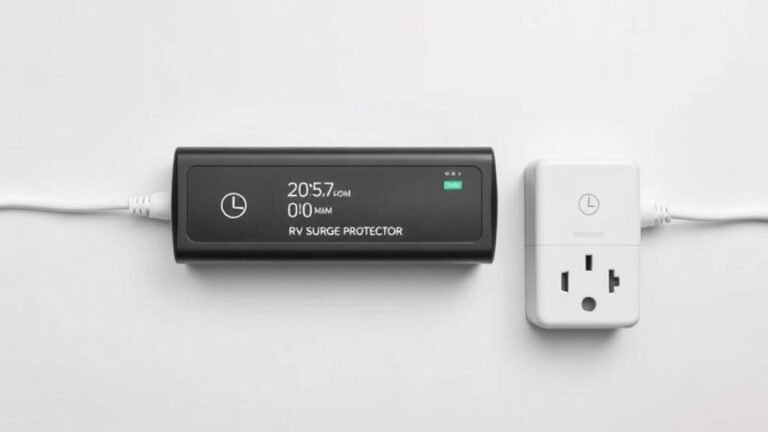
This is the gold standard for 30 amp protection. It comes with an Automatic Shutoff feature that detects power loss. That means it will safely disconnect and reconnect your power without you having to get up. It also has a built-in display that shows you the voltage and current.
We found this model excels at protecting against both overvoltage and undervoltage. It is a heavy-duty unit that feels solid in your hand. If you want the best protection available, this is the one we recommend for most RVers. It is a big investment, but it protects a much bigger investment in your camper.
Southwire Surge Guard: Best for Wireless Monitoring
You can check your power status from your phone with this unit. The Bluetooth app lets you see the voltage, hertz, and Amps from inside your camper. This is a game changer if you don’t want to walk outside in the rain to check the display. It also offers complete surge and electrical protection.
Many experts say that Southwire is a leader in this field. The unit reads the incoming power and delays the connection if it finds a fault. This helps protect your AC compressor from running on low voltage, which is a common cause of failure.
Camco Power Grip: The Value Option for New Campers
If you are on a tight budget, this is the best entry-level protector we found. It is simple to use and offers the core protection you need. The Power Grip handle makes it easy to plug in and unplug, which is nice when you have arthritis or weak grip strength. It protects against surges and basic wiring issues.
It doesn’t have the fancy shutoff features of the pricier models. But it takes the hit for you, and that means your camper stays safe. It’s a great first protector to buy when you are just getting started with RVing. The price makes it a no-brainer for many casual campers.
| Feature | Hughes PWD30-EPO | Southwire Surge Guard | Camco Power Grip |
|---|---|---|---|
| Remote Shutoff | Auto Shutoff | Bluetooth App | No |
| Display | LED Screen | LED + App | Basic LEDs |
| Surge Protection | Excellent | Excellent | Good |
| Best For | Full-Timers | Tech Lovers | Budget Buyers |
How to Choose Between a Portable and Hardwired Unit
You have two main mounting options when you pick a protector. The portable type plugs directly into the pedestal at the campground. The hardwired type is installed inside your RV near your breaker panel. Each has pros and cons that affect your daily routine.
Portable units are better for people who camp in different places often. You can just unplug it and move on. They are also easier to replace if they get damaged. However, they can be stolen, though many have locking rings to prevent that.
Hardwired units are always in place, so you never forget to plug them in. They are protected from the weather and theft. But they require professional installation and make your RV harder to sell if the next owner wants a different setup. For most people, we find that portable is the smarter and easier way to go.
Other Critical Electrical Dangers to Watch For
Surges are not the only threat to your campsite power. There are other issues that can ruin your trip. A good surge protector should handle these too. Here are the main problems it needs to catch for you.
Open Ground and Reverse Polarity: This means the pedestal is wired wrong. Your RV’s metal parts could become live, which is really dangerous. A good protector will shut off power and alert you to this problem.
Overvoltage (High Voltage): This happens when a neutral wire fails, sending too much power to your rig. This can fry your electronics instantly. The protector stops the flow before damage happens.
Undervoltage (Low Voltage): This is common in older campgrounds. Low voltage makes your AC fan run slow and can burn out the motor. The protector will cut power to keep things safe.
What to Check Before You Plug In Every Time
You should make it a habit to inspect the campground pedestal before you connect your new surge protector. It takes less than a minute and can save you from a headache. We recommend this quick routine every single time you set up camp.
- Check for burn marks on the outlet face and plug.
- Make sure the breaker is in the off position before plugging in.
- Look for moisture inside the outlet cover and wipe it dry.
- Test the plug to make sure it fits snugly with no wobble.
- Confirm the pedestal is a 30 amp outlet, not a 50 or 20 amp.
- Connect your protector first, then run your power cord to it.
Do You Need More Than 1,000 Joules of Protection?
We found that 1,000 joules is the minimum you should consider for your RV. But you might be wondering if spending more for a higher rating is worth it. The answer depends on where you camp. If you camp in areas with lots of thunderstorms, a higher rating gives you better peace of mind.
Most RV components have a limited life. A surge protector is a sacrificial device. It takes the abuse so your camper doesn’t have to. The higher the joules, the more blows it can take before its protection runs out. Some experts say that 1,200 to 1,500 joules is a sweet spot for 30 amp systems.
Remember that the protector uses up a little bit of its capacity every time it stops a surge. After a major surge event, some models will show an error code telling you the protection is gone. At that point, you need to replace it. That is the sign of a protector that did its job correctly.
Installation Tips to Keep You Safe
It can be tempting to just plug it in and go, but taking a few extra steps will keep you safer. Make sure your power cord is fully extended so it doesn’t get too hot. Coiled cords can build heat and cause a fire risk. You should also make sure the connection is tight.
Keep the unit protected from direct rain when possible. Many units have a weatherproof cover, but you can add a plastic bag over it for extra safety. Just make sure it can still vent heat. You should also check the hose bib to make sure it stays cool to the touch after running the AC for a while.
A hot protector is a warning sign. If it feels too hot to touch, you may have a connection problem. In that case, shut off the power and inspect the plugs for signs of overheating. Most of the time, this is caused by a loose connection or a weak pedestal, not the protector itself.
Smart Features That Add Genuine Value
Modern surge protectors come with more than just basic surge stopping. They include features that make your life easier and offer more data. We think these features are worth paying for if they fit your budget. It’s like having a mini power monitor for your whole rig.
Remote Monitoring: This lets you see the Volts and Amps from your phone. You can watch the power while you are at the campfire. If the voltage drops, you get a notification on your phone. That helps you catch problems before they hurt your gear.
Delay Timer: This is a great feature for your air conditioner. It waits a few minutes before sending power to your AC after a power outage. This lets the compressor pressure equalize. Without it, you risk damaging the compressor motor.
Audible Alarms: Some units beep when they detect a wiring fault. This grabs your attention when you might not be looking at the lights. It is simple but effective. You’ll know instantly that something is wrong with the campground power.
Our Final Recommendation for Most RVers
If you camp on weekends and want solid protection, the Camco Power Grip is a smart entry point. But if you live in your RV full-time or want the best safety technology, go with the Hughes PWD30-EPO. The price difference is worth it for the safety features and reliability.
You don’t need to buy the most expensive model to be safe, but you should buy one that has a solid reputation. We found that the confidence you get from a quality protector is priceless. Plugging into a dirty power source is a gamble. With the right gear, it is one you can skip entirely.

Conclusion
Choosing the best 30 amp RV surge protector comes down to how you camp and what you want to protect. The Hughes PWD30-EPO gives you premium auto-shutoff features, while the Southwire Surge Guard is perfect if you want to monitor power from your phone. For a first-time buyer, the Camco Power Grip offers solid protection that won’t break the bank.
You don’t need to overthink this. Any of these top picks will shield your converter and AC from bad campground power. Make a decision today based on your budget and comfort level.
Your next step: measure your current power cord setup, pick the model that fits your style, and order it before your next trip. Plug in with confidence knowing your gear is safe.
Frequently Asked Questions
How long does an RV surge protector last?
Most quality surge protectors last between 3 to 5 years with regular use. The internal components wear down every time they absorb a surge. You should replace it sooner if you camp in areas with frequent storms or if the indicator light shows protection is gone.
Can I leave my surge protector plugged in during a storm?
We recommend unplugging everything during a direct lightning storm. A surge protector handles minor spikes, but a direct lightning strike can overwhelm even the best unit. Your safety matters more than convenience, so disconnect your rig when severe weather rolls in.
Will a 30 amp surge protector work with a 50 amp RV?
No, you need the right amperage for your RV’s electrical system. A 30 amp unit physically won’t fit a 50 amp plug, and using an adapter can create safety issues. Always match the protector to your RV’s shore power inlet rating.
Do I need both a surge protector and an electrical management system?
A basic surge protector only catches voltage spikes, while an electrical management system also monitors for open grounds and low voltage. For full protection, look for a unit that combines both, like the Hughes or Southwire models we highlighted. This gives you complete coverage in one device.
What does the error code E3 mean on my RV surge protector?
E3 typically means the pedestal has an open ground, which is a wiring fault. Your protector is doing its job by shutting off power to keep you safe. Check the pedestal wiring or try a different campsite outlet if you see this code.