RV Surge Protector Auto Reset: How It Works
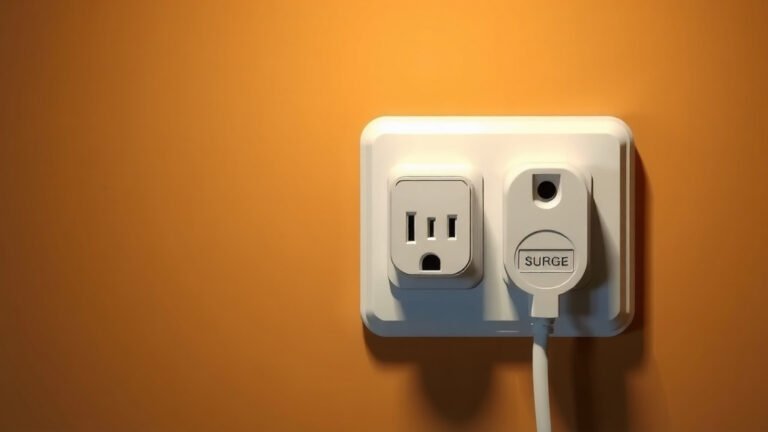
Yes, an RV surge protector with auto reset will automatically restore power to your camper after a power surge or fluctuation passes, saving you from having to manually reset the device. This is a major convenience because it means you won’t have to walk outside in the middle of the night to fix your electrical system. We found that this feature is a game-changer for RVers who want true peace of mind while plugged into campground pedestals.
Unlike basic surge protectors that need a manual push of a button, the auto reset model does the thinking for you. It constantly monitors the incoming power and shuts everything down if it detects a dangerous spike or an unsafe low-voltage condition. Once the power stabilizes back to a safe level, the unit waits a set amount of time and reconnects your RV automatically. This protects your expensive appliances from damage while also keeping your trip stress-free.
- Auto reset means the unit reconnects power for you after a surge or fault clears.
- It protects your RV’s electrical system from power spikes, surges, and brownouts.
- Most models have a built-in delay timer to protect your AC compressor from cycling too fast.
- They are easy to install and typically plug directly into the pedestal or your power cord.
- You save time and hassle by avoiding trips outside to manually reset the breaker.
Below, we break down exactly how auto reset surge protectors work, what to look for when buying one, and whether this feature is worth the extra cost for your setup. Let’s walk through it together so you can pick the perfect protection for your home on wheels.
Choosing the Right Auto Reset Surge Protector for Your RV
You need a device that watches your power 24/7. An auto reset surge protector does exactly that. We found that most RVers choose this type because it balances safety with pure convenience. You plug in, and the unit handles the rest.
The key is matching the protector to your RV’s power needs. Most travel trailers use a 30-amp system. Larger motorhomes and fifth wheels often need 50-amp service. Picking the wrong one is like using a phone charger on a laptop. It just won’t work right.
What Does Auto Reset Actually Mean for You?
Think of it like a smart light switch. When the power gets dirty or spikes, the protector cuts the flow. It keeps your gear safe. Then, once the power is clean again, it turns everything back on by itself.
Without this feature, you would need to unplug and replug your cord. Or, you’d walk to the pedestal and press a small button. That gets old fast, especially in the rain or at 2 AM.
The Built-In Delay Timer
You might wonder why it doesn’t just turn on instantly. There is a reason. Your air conditioner needs a few minutes to rest after a power loss. If it restarts too quickly, it can trip a breaker or damage the compressor.
Most auto reset models wait about two to three minutes. This delay is a safety feature. It protects your AC unit and your refrigerator’s compressor from a sudden restart. We found that this waiting period is critical for appliance longevity.
Surge Protection vs. Electrical Protection
It helps to know the difference. A basic surge protector stops big voltage spikes. Think lightning strikes or a sudden utility grid issue. It sacrifices itself to save your TV and microwave.
An Electrical Management System (EMS) does more. It catches low voltage, high voltage, bad wiring, and open grounds. We found that an EMS with auto reset is the best armor for your RV. It guards against everyday campground issues, not just rare surges.
How the Auto Reset Process Works Step by Step
You plug the protector into the pedestal. Then you plug your RV cord into the protector. The unit boots up and scans the power source. This takes about 15 to 30 seconds on most models.
If the power is safe, you get power. If there is a problem, it shuts down. The display will show an error code. Once the pedestal power returns to normal, the timer starts. After the delay, it reconnects your RV automatically.
What Happens During a Brownout?
Brownouts are low-voltage events. They are common in hot summer months when everyone runs their AC. Low voltage makes your motors work harder. This can overheat them and cause failure.
An auto reset protector detects this drop immediately. It disconnects your RV to prevent damage. When the voltage rises back to a safe range, it reconnects. You might not even notice it happened. Your beer stays cold, and your AC keeps humming.
Surge Absorption Rating Explained
You will see a number called Joules. This is the surge absorption rating. A higher number means the device can handle bigger or more frequent spikes.
We found that a rating of 1,500 to 2,000 joules is a good baseline for RVs. Cheaper models with 500 joules might only last one season. Spending a bit more for a higher joule rating gives you better long-term protection. It is a simple number to compare when shopping.
Key Features to Look For in Your Protector
You do not need to buy the most expensive unit on the shelf. But, there are a few features that research shows make a big difference. Look for these when you compare models.
A remote display is handy. It lets you see the voltage and amps without opening the hatch. Bluetooth connectivity is another perk. You can check the status from your phone while sitting inside.
Weatherproofing and Build Quality
Your protector sits outside. It will face rain, snow, and sun. Make sure it has a weatherproof housing. Check the IP rating if you can. An IP67 rating means it is dust-tight and can handle water immersion.
The cord should be thick and flexible. Cold weather can make cheap cords stiff and brittle. A good quality cord prevents cracking and shorts. We found that spending a little more here prevents headaches later.
Warranty and Equipment Protection
Many top brands offer a warranty that covers your RV. This is called an equipment protection policy. If the protector fails and your appliances get fried, the company pays to fix them.
This coverage varies by brand. Some offer up to $2,500 in coverage. Others offer more. Read the fine print. Make sure the warranty is long enough to give you peace of mind. We found that a five-year warranty is a solid benchmark.
Hardwired vs. Portable Models
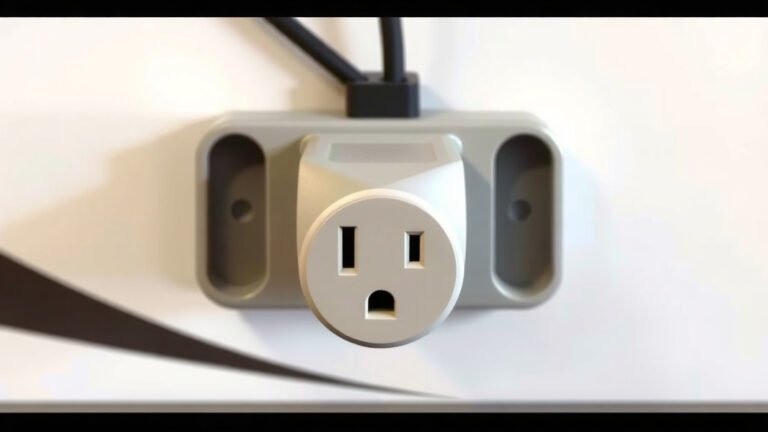
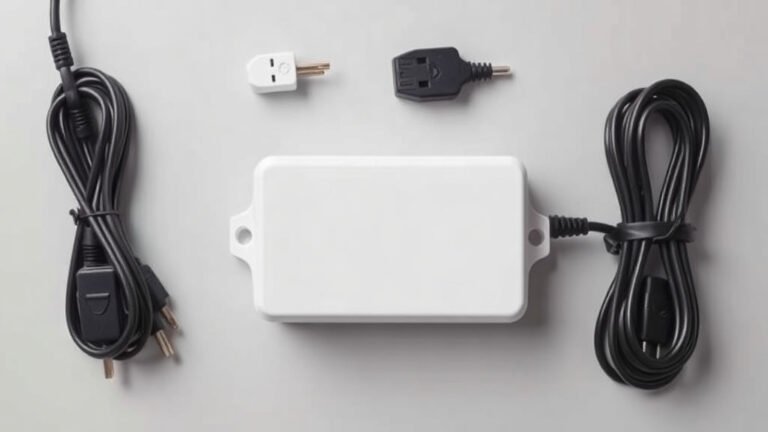
You have two main choices here. A portable model plugs into the pedestal. You connect your cord to it. It is easy to move between RVs or store when not in use.
A hardwired model mounts inside your RV’s electrical bay. It is always connected. This is great for theft prevention. However, it is harder to install and often costs more. Many experts say portable units are better for most RVers because they are simpler.
Cost vs. Convenience: Is Auto Reset Worth It?
You might ask, “Why not just buy the manual one and save money?” That is a fair question. The price difference is usually around $50 to $100. The auto reset feature adds convenience and a layer of safety you cannot get manually.
Think about the last time a storm rolled through at night. With a manual unit, you wake up to a hot RV and a dead battery. With auto reset, you wake up refreshed, not knowing anything happened. We found that the peace of mind is worth the extra cash.
Comparing Manual vs. Auto Reset Protectors
To help you decide, here is a simple breakdown. We found this comparison useful when talking to other campers about their setups.
| Feature | Manual Reset | Auto Reset |
|---|---|---|
| Action after surge | You push a button | It restores power for you |
| Late-night power loss | You get up to fix it | You sleep through it |
| Price range | Lower cost | Slightly higher cost |
| Protection level | Good | Excellent |
| Convenience rating | 3 out of 5 | 5 out of 5 |
The manual unit works fine if you are always awake and near the pedestal. The auto reset is for everyone else. It is one less thing to worry about on your trip.
Installation Tips for Portable Units
Installation is simple. Park your RV and locate the electrical pedestal. Plug the surge protector into the pedestal first. Then, connect your RV’s power cord to the protector. Make sure the connection is tight and secure.
Many units have a light or screen that shows “OK” or “Power On.” You should wait for this signal before turning on heavy appliances. This ensures the unit has completed its diagnostic check. It takes less than a minute.
Maintenance and Care for Your Protector
Your surge protector is tough, but it is not invincible. A little care goes a long way. We found that simple habits keep your unit working for years.
Keep the connection points clean. Dirt and grime can cause heat buildup. Spray the plug ends with a contact cleaner once a season. This keeps the connection tight and prevents corrosion.
When to Replace Your Surge Protector
These devices have a lifespan. They absorb surges until they cannot anymore. If your unit takes a big hit, it might save you but die in the process.
Look for a red light or an error code that says “replace.” Many newer models have this indicator. If you see it, do not ignore it. A dead surge protector offers zero protection. Many experts say you should replace your unit every three to five years, even if it looks fine.
Real-World Scenarios Where Auto Reset Saves the Day
Picture this. You are boondocking at a county fairgrounds. The generator next to you surges and trips the pedestal breaker. Your protector shuts down. A few minutes later, the pedestal stabilizes. Your unit turns your power back on. You never even left your chair.
Another common issue is the “open neutral.” This is a wiring problem at the pedestal. It can send power surges through your RV. An EMS with auto reset catches this immediately. It disconnects you before damage occurs.
Checklist Before You Buy
Use this list when you shop online or at the camping store. It covers the essentials we discussed.
- Confirm your RV’s amp rating (30 or 50 amps).
- Look for a joule rating of at least 1,500.
- Choose auto reset for hands-free operation.
- Verify it has an AC delay timer built in.
- Check for a weatherproof housing or cover.
- Review the warranty and equipment protection policy.
Grab a model that hits every point. You will thank yourself later when the power flickers and you do not have to move an inch.
Conclusion
Your RV’s electrical system deserves real protection, and auto reset makes that protection effortless. You plug in, and the unit watches over everything. It catches surges, brownouts, and wiring faults. Then it restores power on its own once conditions are safe. No midnight walks to the pedestal. No guessing if your gear is safe.
We found that the combination of an EMS with auto reset and a solid joule rating gives you the best defense. Pair that with a weatherproof build and a good warranty, and you are set for years of trouble-free camping. The extra $50 to $100 over a manual unit is a small price for that kind of peace of mind.
Your next step is simple. Check your RV’s amp rating, pick a model that matches our checklist, and order one before your next trip. Your appliances will thank you.
Frequently Asked Questions
Can an auto reset surge protector damage my RV when it reconnects?
No, the delay timer prevents damage. It waits two to three minutes after a fault clears before restoring power. This protects your AC compressor and refrigerator from a hard restart. The built-in delay is a safety feature, not a flaw.
How long does an auto reset surge protector last before needing replacement?
Most units last three to five years with normal use. Big surges can shorten that lifespan, even if the device still shows power. Watch for a red light or error code that says “replace.” If you see that, swap it out right away.
Will auto reset work if the campground pedestal has a tripped breaker?
No, your protector cannot reset a pedestal breaker. It only restores power after the incoming power source returns to safe levels. You would still need to flip the breaker at the pedestal yourself. The auto reset feature handles faults on your side of the connection.
Do I still need a separate power cord with an auto reset protector?
Yes, you do. The surge protector is an inline device, not a replacement for your power cord. You plug the protector into the pedestal and then connect your RV cord to it. Most portable models have a short cord built in, but your main cord is still required.
Is a 30-amp auto reset surge protector different from a 50-amp one?
Yes, they are wired differently and handle different loads. A 30-amp unit uses a single 120-volt line. A 50-amp unit uses two 120-volt lines for heavier power draw. Using the wrong one can cause nuisance trips or not fit your plug. Match the protector to your RV’s electrical system.