RV EMS vs Surge Protector: Which Do You Need?
An RV surge protector and an RV EMS (Electrical Management System) do two different jobs. A surge protector only guards against sudden power spikes. An EMS is a smart monitor that protects your RV from many electrical problems, including surges. We recommend an EMS for full protection because it checks for wiring errors, low voltage, and more before it lets power into your rig.
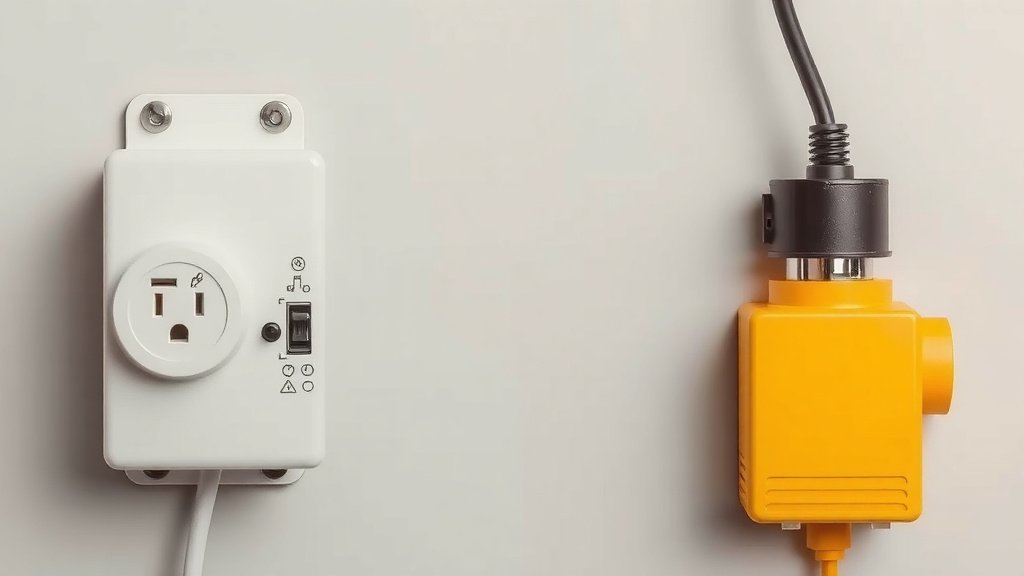
Both devices plug into the campground pedestal. They act as a middleman between the park’s power and your RV. While a surge protector is a basic shield, an EMS is like a bodyguard for your RV’s entire electrical system. It will even shut off power automatically if it detects a dangerous condition. We found that many experienced RVers claim an EMS is worth the extra cost to avoid a fried electrical system.
- Surge protector: Protects from power spikes only (like lightning).
- EMS: Protects from spikes plus low/high voltage, bad wiring, and reversed polarity.
- EMS monitors: Displays real-time voltage and amps to help you manage power usage.
- Cost difference: Surge protectors are cheaper; EMS units cost more but offer better protection.
- Our verdict: If you can afford it, get an EMS. It protects your RV’s pricey electronics and appliances.
Below, we break down exactly how these devices work, the specific problems they fix, and the best options for your budget so you can decide which one is right for your travels.
Surge Protector Basics for Your RV
A surge protector acts like a simple raincoat for your electrical system. When a sudden spike in voltage comes down the line, it absorbs or redirects that extra power before it reaches your RV’s wiring and appliances. Think of it as a shield against one specific enemy: the power surge.
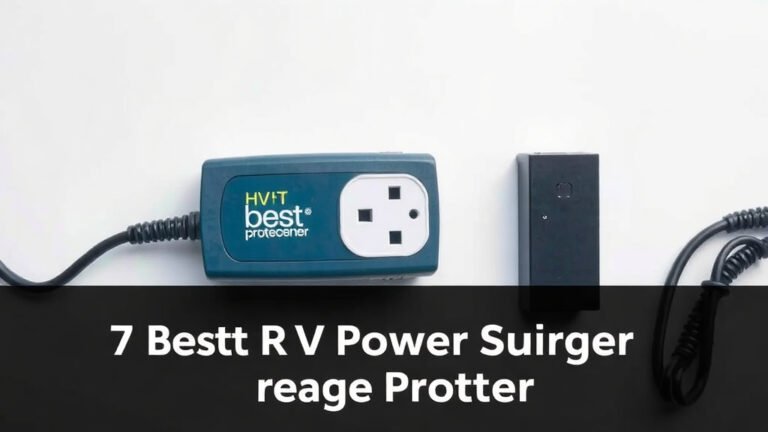
You will see these devices sold in campground stores and online. They come in portable models that plug into the pedestal, and some are hardwired into the RV itself. They are popular because they are cheap and require almost zero setup. You plug it in, and you are protected from one type of damage.
What a Surge Protector Actually Does
A surge protector works by using metal oxide varistors, or MOVs. These components safely absorb excess voltage. When lightning strikes near a power line, or when the grid recovers from an outage, the voltage can spike dramatically. The surge protector catches that spike and neutralizes it.
The key detail here is that surges are momentary events. They last for a fraction of a second. A surge protector handles that brief burst. It does not fix slow, ongoing problems with the power coming from the pedestal. We found that many new RVers assume a surge protector is an all-in-one filter. It is not.
The Lifespan of the Protection
Surge protectors also wear out. Every time they absorb a big surge, they burn up a little bit of themselves. One massive surge can fry the internal components in the protector, which is better than frying your RV’s wiring. Many experts say you should replace your surge protector after a large surge event to ensure it works for you again next time.
You can buy a basic surge protector for under $50. High-end models with lights and digital displays cost around $100 to $150. For that price, you get peace of mind against spikes, but nothing more.
Understanding an RV Electrical Management System
An EMS, on the other hand, is the smart bodyguard we mentioned earlier. It does everything a surge protector does, but it also acts like a thorough inspector before allowing power into your RV. We found that an EMS is the only device that actively protects you from harmful wiring issues and dangerous voltage levels that last for minutes or hours, not just milliseconds.
Think of it this way: the campground pedestal is a mystery box. The EMS checks every wire and every outlet inside that box before it decides to flip the switch for you. If anything looks wrong, it physically shuts off the power. This is a huge advantage when you are traveling to unfamiliar parks.
How an EMS Checks Your Power Supply
An EMS performs a sequence of tests the moment you plug in. It checks for open ground wires, reversed polarity, and missing neutral wires. These are common issues in older campgrounds and can cause serious damage to your electrical system or even shock you.
It also monitors voltage continuously. If the park’s power dips below 105 volts on a hot summer day when everyone is running air conditioners, the EMS will shut off power to protect your appliances. Low voltage is a silent killer. It makes your air conditioner compressor work harder and overheat. Many experts say that low voltage causes more damage to RVs than surges ever will.
The Real-Time Monitoring Display
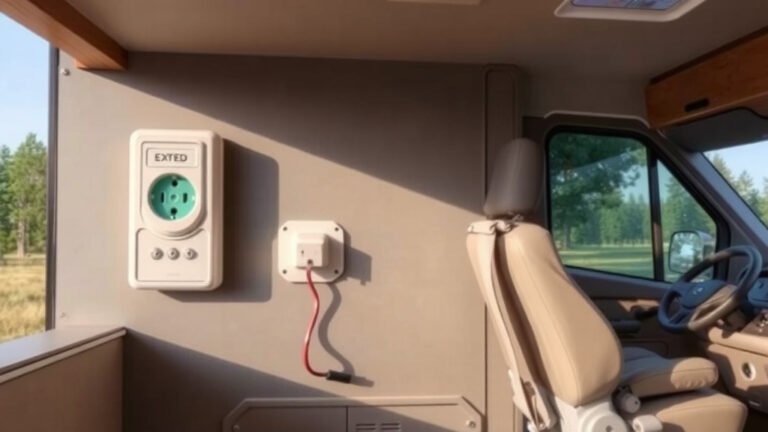
Most EMS units include a remote display that you can mount inside your RV. This display shows you the exact voltage and amperage you are using. You can see when the park’s power is weak, and you can see how much power you are drawing from the pedestal. This helps you avoid tripping the breaker if you try to run the microwave, the air conditioner, and a hair dryer at the same time.
We found that this feature alone helps RVers manage their lifestyle. You can see the load in real time and adjust your usage accordingly. This is something a standard surge protector just cannot offer you.
Key Differences Between These Two Protectors
The difference is not just about price. It is about the level of intelligence in the device. A surge protector is a passive guard. It waits for a spike and then reacts. An EMS is an active manager. It constantly evaluates the electrical supply and makes decisions for you.
Here is the simple way to remember it: a surge protector guards against spikes, but an EMS also guards against brownouts and wiring mistakes that cause ongoing damage.
- Surge protection: Both devices handle voltage spikes.
- Wiring errors: Only an EMS detects and blocks them.
- Low voltage: Only an EMS shuts off power to save your appliances.
- High voltage: Only an EMS protects against a constant over-voltage condition.
- Usage data: Only an EMS shows you live power usage.
Why Low Voltage Is Worse Than a Surge
RVers often worry about lightning storms. However, research and found data from electrical safety guidelines show that low voltage is a far more common problem. A surge lasts a fraction of a second. Low voltage can last for hours. Many experts say that running your air conditioner on low voltage is like driving your car with the emergency brake on. It works, but it damages the engine slowly.
Motors in your air conditioner, refrigerator, and water heater rely on consistent voltage to run efficiently. When voltage drops, the motor draws more amps to compensate. This creates heat. Heat is what destroys the motor windings and electrical components. An EMS prevents this by cutting power when the voltage falls below safe levels.
Comparing Costs and Value for Your Wallet
Let’s talk about the cost. You can buy a decent portable surge protector for around $60 to $100. A reliable RV EMS will cost you anywhere from $300 to $500 or more. That is a significant price gap. We understand that budget is a real concern for many RVers.
However, you should consider the cost of replacing a damaged electrical system. If low voltage fries your air conditioner compressor, you are looking at a repair bill of $1,000 or more. A single repair can pay for the EMS many times over. We found that experienced RVers view the EMS as insurance, not just an accessory.
| Feature | Surge Protector | EMS System |
|---|---|---|
| Protects against surges | Yes | Yes |
| Detects bad wiring | No | Yes |
| Monitors voltage levels | No | Yes, continuously |
| Shuts off power automatically | No | Yes |
| Shows power usage | No | Yes |
| Typical price range | $50 – $150 | $300 – $500+ |
What About a Hardwired System?
You can choose between portable units and hardwired units for both types of devices. Portable units plug into the pedestal, and you plug your RV cord into the unit. This is easy to install and works well for most people. You can also move a portable unit between different RVs if you upgrade later.
A hardwired unit is installed inside your RV, usually near the electrical panel. It is permanently connected. Many experts say this is a cleaner setup because there is no bulky box dangling from the pedestal. However, installation requires electrical knowledge. If you are not comfortable working with 120-volt or 240-volt wiring, hire a professional to do it correctly and safely.
Mobile Versus Remote Display Features
When you shop for an EMS, you will notice that some come with a wireless remote display and some do not. The remote display is very useful because you can keep it inside the RV. You do not have to go outside in the rain to check the voltage readout. We found that this convenience is worth the extra money for many travelers.
Some newer models even connect to your smartphone via Bluetooth or Wi-Fi. You can check your power status from your phone while you sit at the campfire. This is a nice modern touch, but it is not essential. The core protection is the same whether you use a basic display or a fancy app.
Portable Units and Theft Concerns
One downside to portable units is that they are easy to steal. You are leaving a $300 to $500 device sitting at a campground pedestal while you go sightseeing. Many experts say that locking brackets and security cables are worth buying to deter thieves. Some RVers use a standard padlock and a metal cable to secure the unit to the pedestal.
Hardwired units, of course, do not have this problem. They are safely stored inside your RV. If security is a big concern for you, that might tip the scale toward a hardwired installation.

What About Generator Power and EMS Compatibility?
You might use a generator when you go dry camping. An EMS can also be used with your generator. This is a smart move because generators can produce dirty power, especially smaller inverter models or older units. The EMS will protect your RV appliances from voltage fluctuations that come from the generator itself.
We found that some EMS units have trouble with the waveform generated by certain generators. To avoid issues, check the specifications of the EMS to ensure it works with your generator model. Many systems handle generator power fine, but it is always smart to do your homework before you buy.
The Installation Process Made Simple
If you buy a portable unit, installation is a five-minute job. You unplug your RV shore power cord from the pedestal. You plug the surge protector or EMS into the pedestal. Then you plug your RV cord into the protector. That is it. Nothing could be easier.
For hardwired systems, the process is more involved. You need to find space near your breaker panel, run wires, and mount the display. If you are handy with tools, you can do it yourself in about an hour. If not, budget for a quick visit from a mobile RV technician.
Safety Checks Before Every Trip
Before you plug in at a new campground, inspect your equipment. Check for frayed cords or broken connectors. Make sure the breaker at the pedestal is in the off position before you plug in. Then plug in your device and let it run its initial diagnostic check. If the EMS gives you a green light or a “GO” reading, you are safe to turn on the breaker.
Many experts say to always trust the device. If the EMS is showing an error code, do not bypass it. There is a reason it is shutting off the power. The EMS is not being dramatic. It is protecting your investment and your safety.
Here is a quick checklist to keep in your glove box:
- Inspect all cords and plugs for damage.
- Turn off the pedestal breaker before plugging in.
- Plug in your EMS or surge protector.
- Verify the display reads “normal” before turning on power.
- Turn on the breaker and wait for the relay to click.
- Check the display again after 10 minutes of usage.
Choosing the Right Budget for Your Needs
If you only camp in modern, well-maintained RV resorts, a surge protector might be enough for you. The wiring is likely up to code, and the power is probably stable. But we found that camping in state parks, older campgrounds, and boondocking spots changes the equation entirely. The power infrastructure is often outdated and overloaded.
An EMS is a better fit if you plan to travel widely and stay in varied locations. The extra cost gives you a digital display, automatic shut-off, and constant monitoring. For full-time RVers, an EMS is almost mandatory. It protects your entire home, not just a weekend trailer.
Think About Resale Value
Adding a hardwired EMS can increase the value of your RV. When you decide to sell your rig, having a quality electrical management system is a strong selling point. Buyers know they are getting a protected RV with a documented history of safe power use. This is a nice bonus if you upgrade later.
We recommend researching brands like Progressive Industries and Hughes, as they have strong reputations in the RV community. Many experts say to look for a unit with a warranty of at least two years. This shows the manufacturer trusts the reliability of their product.
Take your time, read product reviews, and pick what fits your travel style. Your RV is a big investment. Protecting it with the right device is one of the smartest decisions you can make for the road ahead. Trust the system, and go
Conclusion
You have a real choice to make for your RV’s electrical safety. A surge protector handles sudden spikes. An EMS does that and so much more. It checks the wiring, monitors voltage, and shuts things down when danger appears.
We think the EMS is the better buy for most travelers. Low voltage damages more RVs than surges ever will. That alone makes the extra cost worth it. You are protecting thousands of dollars in appliances and electronics.
Start with a portable EMS if you are on a budget. It gives you full protection without a complicated install. If you camp in older parks or full-time, go with a hardwired unit. Your RV will thank you.
Frequently Asked Questions
Can a surge protector be used alongside an EMS?
Yes, you can use both devices together. Plug the surge protector into the pedestal first. Then plug the EMS into the surge protector. This gives you an extra layer of spike protection.
Our research found that most EMS units already include surge protection built in. Adding a second one is optional, not required. It does not hurt anything, but it adds bulk at the pedestal.
How long does an RV EMS last before needing replacement?
Most quality EMS units last for many years with normal use. The internal relays and monitoring circuits are built to handle regular camping trips. We found that most manufacturers offer warranties of two to five years.
You should replace your unit if it takes a massive direct surge. Big events can damage the internal components. If the display starts showing errors or acting glitchy, that is a sign to shop for a new one.
Will an EMS protect my RV from a lightning strike?
No device can fully protect you from a direct lightning hit. A lightning strike carries enormous energy that can jump across any protector. Your EMS will try to absorb the surge, but it may not survive the event.
The best strategy is to unplug your RV during severe storms. If you cannot unplug, the EMS gives you the best chance of surviving a nearby strike. It is your strongest defense, but it is not a magic shield.
Do I need a 30-amp or 50-amp EMS for my RV?
Match the EMS to your RV’s electrical system. If your RV has a 30-amp plug, get a 30-amp EMS. If you have a 50-amp rig, buy a 50-amp unit. They are not interchangeable.
We found that some people buy adapters to make a 30-amp unit work on a 50-amp pedestal. That is risky. Your EMS must match the actual power coming into your RV. Check your shore power cord before you order.
Can I install a hardwired EMS myself?
You can, if you have basic electrical knowledge and comfort working with high voltage. The process involves connecting wires inside your breaker panel. You need to disconnect power first and follow the wiring diagram carefully.
If you have any doubt, call a mobile RV technician. The cost of professional installation is usually under $200. That is cheap compared to the damage a bad wiring job can cause. Take the safe route and hire an expert.