Choosing the Right RV Surge Protector: A Buyer’s Guide
You need an RV surge protector that matches your rig’s electrical service, so start by checking if you have a 30-amp or 50-amp plug. That single detail decides the entire type of protector you can buy. For most RVers, a portable surge protector with auto shutoff is the best starting point because it’s easy to use and protects against power spikes.
Your RV’s electrical system is basically a rolling house, and it’s just as vulnerable to bad power at campground pedestals. We found that surge protectors guard your wiring and appliances from damaging voltage spikes, while electrical management systems offer extra protection against low voltage, open grounds, and wiring errors. It’s a cheap safety net compared to the cost of replacing a fridge, AC unit, or converter.
- Check your RV plug first: 30-amp has three prongs, 50-amp has four. This is non-negotiable.
- Decide between portable and hardwired: Portable moves with you; hardwired stays inside your RV’s electrical bay.
- Know the difference: Surge protectors just stop spikes; EMS units also catch bad wiring and low voltage.
- Joule rating matters: Aim for at least 1,000 to 2,000 joules for real protection.
- Automatic shutoff is essential: It disconnects power before damage happens, so you sleep easy.
Below, we break down the exact types, features, and price ranges so you can buy with confidence. Let’s walk through this step by step.
Your RV Power Basics Made Simple
Before you buy anything, you need to know one simple fact. Your RV runs on either 30-amp or 50-amp power. This is the single biggest factor in your surge protector decision. You can’t make a smart purchase without this number.
Check the end of your power cord. A 30-amp plug has three prongs, and the plug looks similar to a standard household plug but bigger. A 50-amp plug has four prongs, and it’s much larger and heavier. If you have a smaller RV or travel trailer, you’re almost certainly on 30-amp. Larger fifth wheels and motorhomes usually run on 50-amp. Still not sure? Look in your owner’s manual or check the label near your electrical panel.
Why 30-Amp and 50-Amp Protectors Are Not Interchangeable
Each type of RV service delivers power differently. A 30-amp service provides one 120-volt line delivering up to 3,600 watts. A 50-amp service provides two separate 120-volt lines, each delivering up to 6,000 watts, for a total of 12,000 watts. That’s a big difference in power flow. The protector you choose has to match the plug type and the power capacity. Trying to use a 30-amp protector on a 50-amp rig is a physical impossibility, the plug won’t even fit.
The good news is that many modern surge protectors work specifically with one type. You won’t find many universal ones that handle both, so this decision must come first. Write down your amp rating and keep it handy as we move forward. You will need that number for every comparison in this guide.
Deciding Between Portable and Hardwired Surge Protectors
Once you know your amperage, the next choice is all about how you like to camp. You’ll find two main styles of surge protectors. Each style has its own perks. The pick largely depends on your habits and how you store your RV.
Portable Units Offer Flexibility and Easy Monitoring
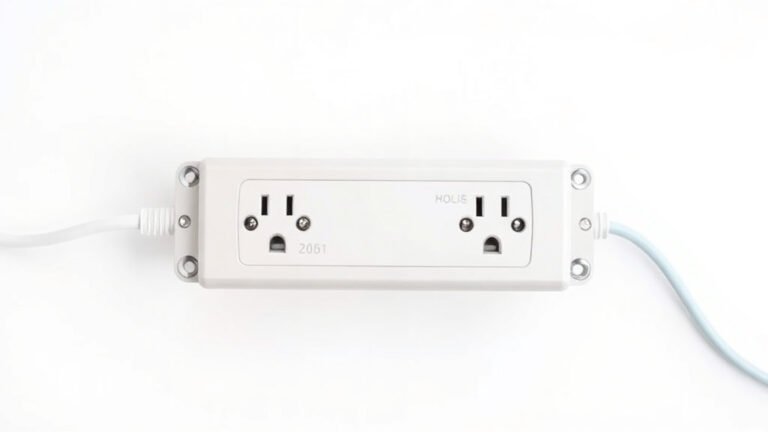
Portable surge protectors plug into the campground pedestal first. Then you connect your RV’s power cord into the protector. It sits right at the power source, exposed to the elements. This means you can see the display without going inside your rig. Many campers prefer this because they can easily check the power status while standing outside. We found that portable units are also simple to swap from one RV to another, making them a great option if you might upgrade your rig later.
There is a downside to portable units. They are prone to theft because they sit out in the open. Many models include locking rings and screws to help deter thieves, but you’ll still want to be vigilant. Storing them is also a small task. You’ll need to pack them away before you hit the road, and you’ll want to keep them protected inside the RV during travel.
Hardwired Units Live Inside Your RV
A hardwired surge protector mounts permanently inside your RV, usually near the electrical bay where your power cord lives. It’s connected directly to your RV’s wiring system. Once installed, you never have to think about it again. Just plug in your RV cord at the pedestal, and the protection is already active. Many full-time RVers choose this option for its set-and-forget simplicity.
The installation is a bit more involved. If you’re handy with electrical work, you might tackle it yourself in about an hour. If not, you’ll need a professional RV technician to install it. This adds to the upfront cost. Hardwired units also lack a visible display, so you can’t easily see the status. Some models have indicator lights or remote displays, but it’s never as convenient as looking at a portable unit right at the pedestal.
Surge Protectors vs. Electrical Management Systems
Now we get to the heart of the matter. Many people use the term surge protector loosely, but there’s a real difference between a basic protector and a full EMS. Understanding this distinction could save your appliances from permanent damage. The choice here is all about how much protection you truly need.
Basic Surge Protectors Handle Power Spikes Only
A standard surge protector does one job. It catches sudden, brief spikes in voltage and absorbs the excess energy. Think of it like a lightning rod for your RV’s wiring. If a nearby lightning strike causes a voltage surge, the protector sacrifices itself to save your appliances. That’s a great feature, but it’s the only thing it does. It doesn’t watch out for ongoing problems like low voltage or faulty wiring at the campground pedestal.
We found that many RV parks have aging electrical systems. Old wiring can cause voltage to dip below safe levels. That low voltage can burn out your air conditioner compressor or damage your refrigerator’s control board. A basic surge protector stands by passively, doing nothing to stop this kind of damage. It’s simply not designed for that role.
Electrical Management Systems Deliver Full-Spectrum Protection
An EMS is like a doctor for your RV’s electrical system. It constantly monitors the incoming power and checks for a laundry list of problems. It checks for low voltage, high voltage, open grounds, reversed polarity, and other wiring mistakes commonly found at campgrounds. Many experts say that an EMS is the only way to get complete protection for your investment.
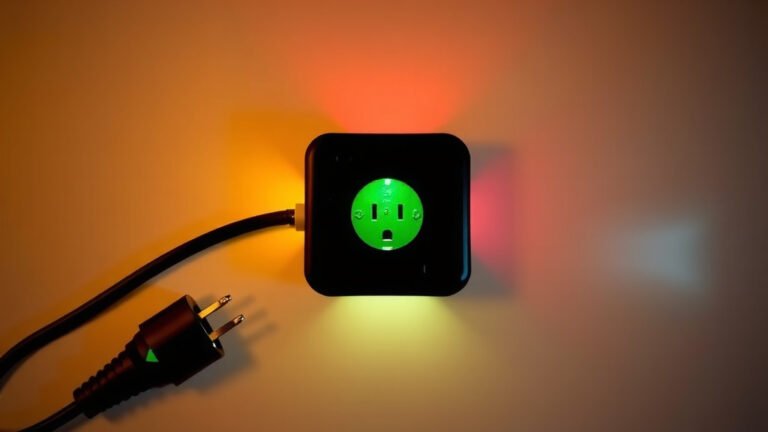
Here’s the best part about an EMS. When it detects a problem, it cuts the power immediately. The display tells you exactly what’s wrong so you can fix it or find another pedestal. This automatic shutoff is the key feature. It simply won’t let bad power into your RV. We recommend looking for this feature, regardless of whether you choose a basic unit or a full EMS.
Your Surge Protector’s Critical Feature Checklist
Not all surge protectors are built the same. They come with different features and levels of build quality. You don’t need every bell and whistle, but you should look for a few key specifications. Use this checklist when you compare models. It will help you filter out the weak options and zero in on the units that deserve your money.
- Automatic shutoff: It kills power instantly when it detects a serious problem. This is your safety net.
- High joule rating: Look for at least 1,000 to 2,000 joules. More joules mean it can absorb bigger spikes.
- Weatherproof housing: Portable units live outside. Rain and sun shouldn’t ruin them quickly.
- Clear digital display: You need to read the voltage and error codes easily, even in bright sunlight.
- Thermal protection: It stops overheating, which can be a fire hazard in the summer months.
- Surge warranty: A good warranty shows the company trusts its product. It also covers you if the unit fails.
Finding the Right Joule Rating for Your RV
Joule rating tells you how much energy the surge protector can absorb before it gives out. It’s a common specification on every box, but not everyone knows what to do with it. A higher joule rating means the protector can handle more and bigger surges. It also means the unit tends to last longer because it wears out a little each time it stops a surge.
Many guidelines point to a minimum of 1,000 to 2,000 joules for RVs (Consumer Reports). That’s enough for typical park power conditions. If you camp in areas with a lot of electrical storms, aim higher. The more protection you have, the better your peace of mind at night. This is one area where you don’t want to skimp on quality to save a few dollars.
Understanding Response Time and Certification
Response time measures how quickly the unit reacts to a spike. Faster is better by a long shot. You want a protector that reacts in nanoseconds to catch the surge before damage occurs. Another thing to check is certification. Look for the UL 1449 mark on the product. This means it has been independently tested for safety and effectiveness. Certified units meet strict standards that give you confidence in the build quality.
Comparing Top Protector Options at a Glance
Ready to see how these choices stack up against each other? We put together a quick table that breaks down the main differences. This comparison should help you visualize what you’re getting at each price point. Every category has its place, and the right one is simply the one that fits your camping style.
| Feature | Basic Surge Protector | EMS (Management System) |
|---|---|---|
| Stops voltage spikes | Yes | Yes |
| Detects low voltage | No | Yes |
| Detects wiring errors | No | Yes |
| Automatic power shutoff | Sometimes | Yes |
| Average price range | 50 to 150 dollars | 200 to 400 dollars |
| Best for | Budget campers, weekend trips | Full-timers, expensive RVs |
Making Your Final Purchase Decision
Now you have all the information you need to make a smart choice. Step one is confirming your RV’s amp rating. Step two is deciding if you want a portable unit or a hardwired installation. Step three is picking between basic surge protection and a full EMS. These three decisions narrow down your options to a short list.
We found that most RV owners are happiest with a portable EMS unit. These are the ones with automatic shutoff, clear displays, and full diagnostic coverage. They cost more upfront, but they offer the strongest protection. The peace of mind alone is worth the extra cost when you consider what it would cost to replace a fried air conditioner unit. Think of it as an insurance policy that pays for itself the first time it catches a problem.
If you’re on a tight budget, at minimum pick a basic surge protector with automatic shutoff. That will handle the most common power spikes. Just remember that it won’t save you from the slow burn of low voltage at a bad pedestal. Only an EMS can do that. Whatever you choose, keep your receipt and register the product warranty as soon as you get home. That protects your purchase and ensures you’re covered for the long haul. For affordable options, our guide to budget-friendly 30-amp surge protectors lists top picks.
Conclusion
Choosing the right RV surge protector comes down to three simple steps. First, know your amp rating. Second, decide between portable and hardwired. Third, pick between basic protection and a full EMS unit.
You already know that an EMS with automatic shutoff gives you the best protection for your money. It catches power spikes, low voltage, and wiring mistakes before they can fry your appliances. That peace of mind is worth the extra cost.
Your next move is simple. Check your RV plug right now, write down the amp rating, and compare a couple of portable EMS units that fit your budget. Do this before your next trip, and you will camp with confidence all season long.
Frequently Asked Questions
Can I use a 30-amp surge protector on a 50-amp RV?
No, you cannot. The plugs are physically different, so they will not fit together. You need a protector that matches your RV’s exact amp rating. Using the wrong one is both unsafe and impossible to connect.
Will an RV surge protector stop lightning from damaging my rig?
A surge protector can absorb some voltage from a nearby lightning strike, but it cannot protect against a direct hit. No consumer device can handle that kind of power. For indirect strikes and surges, a good unit with a high joule rating offers solid protection.
How often should I replace my RV surge protector?
Most units last several years with normal use. However, every time it stops a surge, it wears out a little bit. If you see a warning light indicating the protection is gone, replace it immediately. Many brands also recommend replacing the unit after one major surge event.
Do I need a surge protector if I only camp at nice RV parks?
Yes, you absolutely do. Even the nicest parks can have faulty pedestals or aging wiring. Power surges can also come from outside the park, like from the utility grid. Bad power does not discriminate based on how much you paid for your campsite.
Is a hardwired surge protector better than a portable one?
Neither is objectively better. Hardwired units are convenient because you never set them up. Portable units give you a readout you can see easily and let you swap them between RVs. Your choice should come down to how you camp and whether you prefer installation simplicity or visible monitoring.