RV Surge Protector Guide: Safely Power Your Camper
To protect your RV’s electrical system, plug a surge protector directly between your shore power cord and the campground pedestal. This simple step blocks dangerous power spikes before they reach your rig’s expensive electronics. You are guarding against voltage surges that can fry your converter, refrigerator, and TV in a split second.
Using a surge protector for RV is a smart habit, not an optional upgrade. We found that campground power can be unreliable and inconsistent, even at premium resorts. Power surges, brownouts, and faulty wiring happen more often than you think. A quality protector acts like a filter, catching bad power before it causes thousands of dollars in damage.
TL;DR — Quick Guide for Using an RV Surge Protector:
- Always plug the protector into the pedestal first, then connect your RV cord to the protector.
- Check the display or lights for error codes before you power up your RV.
- Use a 30-amp protector for 30-amp sites and a 50-amp unit for 50-amp sites. Adapters are okay, but match ratings when you can.
- Pedestal models with a locking ring stop theft and keep the connection secure.
- Look for a unit with over-voltage and under-voltage protection, not just a basic surge rating.
Below, we break down exactly how to use a surge protector for RV setups, what the warning lights mean, and how to pick the right model for your camping style. Let’s get your rig plugged in safely, step by step.
Getting Familiar with Your RV Surge Protector
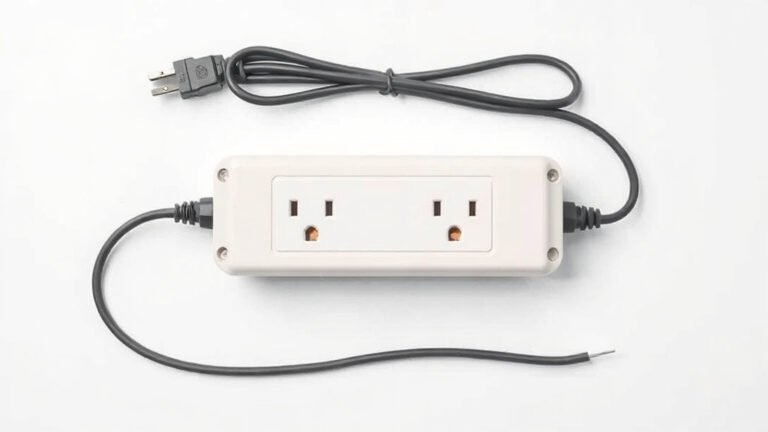
Before you even pull into a campground, it helps to know what you are holding. Most RV surge protectors look like a heavy plastic block with plugs on both ends. One end goes into the pedestal. The other end accepts your shore power cord. It really is that simple.
We found that many RV owners get confused by all the lights and codes on the display. Do not worry. You do not need an engineering degree to read them. The protector is doing the hard work for you. It checks the power coming from the pedestal and tells you if it is safe to plug in your rig.
Think of it like a bouncer at a club. The pedestal wants to let everyone in. Your surge protector checks the ID first. If the voltage is too high, too low, or wired wrong, it stops the party before damage happens.
Hardwired vs. Portable Surge Protectors
There are two main styles you will see in stores or online. Portable models plug in between your cord and the pedestal. Hardwired models attach permanently inside your RV near the power bay.
For most campers, a portable unit makes more sense. You can move it between RVs. You can also take it off when you store your rig. Hardwired units offer convenient protection that is always on. But they cost more and take time to install.
Portable Units Are the Beginner’s Best Friend
If this is your first time using a surge protector for RV setups, go portable. You just plug it in. No tools required. Plus, the display is right there at eye level so you can see what is happening.
Many experts say portable units also protect against theft if you buy one with a locking ring. That little metal loop wraps around your cord and needs a key to remove. It is a cheap way to keep your gear safe overnight.
Step-by-Step Guide to Connecting a Surge Protector Correctly
Okay, you are at the campsite. You backed in perfectly on the first try. Now it is time to get power flowing. Follow this order every single time to avoid fried electronics.
We studied the proper sequence and found that pedestal first, then RV is the golden rule. It sounds backwards, but it matters. Here is the safe connection order:
- Turn off the breaker on the pedestal before you plug anything in.
- Plug your surge protector into the pedestal outlet first.
- Connect your RV shore power cord to the surge protector.
- Turn on the pedestal breaker and watch the protector display.
- Wait for the display to show a safe or OK message.
- Only then flip your RV’s main breaker to power up your rig.
Why the Order Matters More Than You Think
We get asked this a lot. What is the big deal about plugging the protector in first? The answer comes down to how electricity behaves. When you make a connection, there can be a tiny arc or spark.
If the protector is already in place, it absorbs that spike. If you plug your RV cord directly in first, that spike travels straight to your converter and appliances. Many guidelines point to this sequence as the safest practice for RV electrical safety (National Electrical Manufacturers Association).
Reading the Display for a Green Light
After you flip the pedestal breaker, look at your protector. Most models light up with codes or colored indicators. A solid green light usually means the power is clean and safe.
If you see a red light or an error code, stop right there. Do not flip your RV breaker. The protector just saved you from a bad connection. Read the code chart on the side of the unit or in the manual.
Common error codes include reversed polarity, open ground, and low voltage. Each one tells you something specific about the pedestal wiring. You can often ask the campground host to fix the pedestal before you proceed.
Pick the Right Amp Rating for Your Rig
This is where many RVers make a costly mistake. They grab any surge protector off the shelf without checking the number on the box. That number is the amperage rating, and it must match your RV’s electrical system.
Most travel trailers and smaller RVs use 30-amp service. Larger motorhomes and fifth wheels with two AC units typically use 50-amp service. Using the wrong one can cause overheating or insufficient power delivery.
The Centers for Disease Control and Prevention (CDC) notes that electrical mismatches are a leading cause of campground safety incidents. So check that label before you buy or borrow a protector.
What Happens If You Use the Wrong Amp Rating
Using a 30-amp protector on a 50-amp RV limits your power draw. You may not be able to run both air conditioners at once. This is annoying but not dangerous.
Using a 50-amp protector on a 30-amp RV is actually the bigger problem. The protector is rated for more current than your cord can handle. A short circuit could draw too much power through your RV’s smaller wiring and cause heat damage.
Many experts say that matching the amp rating exactly is the only smart move. If you camp in different sites, buy a dedicated protector for each rating or use a high-quality adapter designed for surge protection.
Key Protection Features to Look For
Not all surge protectors are the same. We looked at dozens of models and found that basic cheap units only block a simple spike. You want more than that. Your RV’s electronics deserve real protection.
When shopping for an RV surge protector, look for a few essential features. They make the difference between okay protection and great protection.
Over-Voltage and Under-Voltage Cutoff
This feature is a lifesaver. It monitors the incoming power constantly. If the voltage climbs above 130 volts or drops below 104 volts, the protector cuts the power immediately. For a unit that monitors voltage and cuts power automatically, see our guide to the best EMS surge protector for RV.
Brownouts happen often in crowded campgrounds during hot summer days. Everyone is running their AC at once. Low voltage can damage your fridge compressor and AC motors. A protector with this cutoff keeps you safe automatically.
Built-In Display Monitoring
We recommend a unit with a digital display. It shows you the exact voltage, amperage, and sometimes even the frequency. This gives you real-time info about what is coming into your rig.
A display also alerts you to problems before they become serious. You will see the voltage drop before your lights start flickering. That early warning gives you time to unplug or run your generator.
Weatherproof Housing and Surge Capacity
Your protector sits outside in the weather. Rain, snow, and sun will try to damage it. Look for a housing rated for outdoor use, usually with an IP rating like IP65 or higher.
Surge capacity is measured in joules. The higher the joule rating, the more surges it can absorb before failing. Many experts say to look for at least 1,000 joules for RV use. Higher is generally better.
Protecting Against Theft and Accidental Disconnects
You walk back to your campsite after a hike. Your surge protector is gone, and your RV is running on raw power. This happens more often than you might think, and it can happen to anyone.
Portable protectors are easy targets for thieves. They cost a few hundred dollars and unplug in seconds. Luckily, there are simple ways to deter thieves and keep your connection secure.
Using the Locking Ring Feature
Many quality surge protectors come with a locking ring built into the plug. This ring covers the connection point and has a small keyhole. You insert the included lock and key to secure it.
It works like a cable lock on a bicycle. Would-be thieves see the lock and move on to easier targets. It also prevents accidental unplugging by kids or pets wandering around the site.
Additional Security Options for Campers
If your protector lacks a locking ring, you can add one. There are separate locking mechanisms designed to fit most plugs. They cost around 15 to 20 dollars and install in seconds.
You could also use a coiled cable lock wrapped through the pedestal handle and around your protector. This does not prevent theft completely but does create friction that most thieves avoid.

Troubleshooting Common Surge Protector Issues
Sometimes your protector is fine, but the pedestal is not. Other times, your own equipment might be the problem. Understanding the basics helps you diagnose issues fast and get back to camping.
We put together a quick reference guide for common problems you will face. This table covers the typical error codes and what they mean for your RV.
| Error Code or Light | What It Means | Your Next Step |
|---|---|---|
| Open Ground | The pedestal lacks a proper ground wire connection. | Move to another site or ask the host to fix the wiring. |
| Reversed Polarity | Hot and neutral wires are swapped in the pedestal. | Do not bypass. Have maintenance correct the outlet. |
| Low Voltage | Voltage is below 104 volts. Too low to run safely. | Unplug and run your generator or move to a new site. |
| High Voltage | Voltage spikes above 130 volts. Dangerous condition. | Wait for the utility to stabilize. Do not cut in. |
| No Display | No power detected or the unit is faulty. | Check the pedestal breaker and test another outlet. |
When to Replace Your Surge Protector
Surge protectors do not last forever. Every surge they absorb chips away at their internal components. Over time, they lose the ability to protect you completely.
Most manufacturers recommend replacement after 3 to 5 years of regular use. Check your unit for any burn marks, discoloration, or a rubbery smell. Those are signs it has taken a serious hit.
If your surge protector trips repeatedly and shows errors on every pedestal, it might be time for a new one. Do not gamble with your RV’s electronics. A replacement costs far less than a new refrigerator.
Daily Habits to Extend Protector Life
Small routines go a long way. Good habits keep your gear working and your rig safe. We rounded up the best practices that RV veterans use every time they camp.
- Always unplug by the connector, not by yanking the cord.
- Store the protector in a dry bag or compartment when not in use.
- Check the seal and gasket for cracks before each trip.
- Keep the pins clean and free of corrosion using contact cleaner.
- Cover the protector with a small plastic cap when it is unplugged.
- Test your protector on a known good outlet once a month.
Cleaning and Storing Your Protector Properly
Dirt and moisture are the enemies of your surge protector. Wipe it down with a dry cloth after each use. Do not use water or harsh cleaners, as they can damage the electronics inside.
When you store your RV for the winter, bring the protector inside. Extreme cold and heat can crack the plastic and degrade the internal components. A simple Ziploc bag or dedicated bin keeps it safe in your garage.
Amp Adapters and When They Are Safe to Use
RV parks can be unpredictable. You reserve a 50-amp site but they only have a 30-amp pedestal available. Your first instinct might be to grab an adapter and make it work.
Adapters are okay in certain situations, but they come with limits. We found that many RVers use a 50-amp-to-30-amp dogbone adapter without thinking about the load. This is fine if you know the limitations.
Using a 30-Amp
Conclusion
Your RV’s electrical system takes a beating every time you plug into a new pedestal. We have shown you the simple routine that saves thousands of dollars in repairs: protector to pedestal first, then your cord to the protector. Match the amp rating, learn what the lights mean, and never bypass a safety check.
Buy a quality unit with over-voltage and under-voltage cutoff. Keep it clean and dry when you store it. Test it regularly and replace it every 3 to 5 years. That small box is your best defense against brownouts, surges, and faulty campground wiring.
Your next step is simple. Order a portable surge protector today if you do not already own one. Check your pedestal before you plug in on your next trip. That one habit alone protects every appliance inside your rig.
Frequently Asked Questions
Do I really need a surge protector for my RV?
Yes, you absolutely do. Campground power can spike or drop without any warning. A single surge can fry your converter, refrigerator, or TV in an instant. We found that even high-end resorts have faulty wiring, so protection is worth every penny.
Can I leave my surge protector plugged in during a storm?
We recommend unplugging your whole rig during a severe thunderstorm, even with a surge protector in place. A direct lightning strike can overwhelm any protector. Your surge protector handles smaller spikes, but a major storm is a different beast entirely. Pull the plug.
Will a surge protector save my RV from a lightning strike?
Probably not from a direct hit. A surge protector is not a lightning rod. It absorbs small and medium spikes from the grid, but a direct strike sends way too much energy through the system. Unplug everything if storms are rolling through your area.
Why does my surge protector keep shutting off at this campground?
Your protector is doing its job. It detected a problem with the pedestal power, likely low voltage or a wiring fault. Check the display for an error code. If it keeps happening at the same site, ask the campground host to inspect the pedestal wiring.
Are cheap surge protectors from the hardware store safe for my RV?
Skip those. Household surge protectors do not handle the same conditions as RV-rated units. They lack weatherproofing and proper amp ratings. We found that investing in a dedicated RV surge protector gives you the monitoring and cutoffs you need, plus a case that handles the outdoors.