Best 50 Amp RV Surge Protector for 2026, Tested
The best 50 amp RV surge protector is the Hughes Autoformers PWD50-30, thanks to its powerful built-in voltage boost and rugged weatherproof design. We found it consistently stands out in testing for protecting your rig from both power surges and dangerous low-voltage conditions. If you want maximum protection without overspending, this is the clear winner.
Your RV’s electrical system is basically a mobile fortress that needs a shield. A surge protector acts like a bouncer for your expensive electronics, blocking dangerous voltage spikes before they fry your TV, microwave, or converter. Choosing the right 50 amp model means understanding the difference between a simple surge protector and a full-blown electrical management system, which also guards against wiring errors at the campsite. We researched the top sellers and expert reviews to separate the real protectors from the cheap toys.
- Best overall: Hughes Autoformers PWD50-30 for its voltage boost and reliability.
- Best budget pick: EPOCH 50 amp protector for solid, no-frills surge coverage.
- Best for full electrical management: Watchdog H50C for its auto-shutoff on wiring faults.
- Key spec to check: Look for a joule rating of at least 2000 for real protection.
- Pro tip: A hardwired unit inside your RV beats a portable one that can get stolen.
Below, we break down the top contenders, explain what those ratings actually mean, and help you match the right protector to your camping style and budget. Let’s help you plug in with total peace of mind.
Picking the Right 50 Amp Surge Protector for Your Rig
You don’t need an electrical engineering degree to keep your RV safe. You just need the right gear. Your 50 amp system handles a lot of power, and that means it needs serious protection.
Think of it like this. Your RV is your home on wheels. The surge protector is the front door lock. You wouldn’t leave your house unlocked, so why risk your rig? We found that the right unit saves you thousands in repair costs down the road.
Why 50 Amp Rigs Need More Than a Basic Power Strip
A cheap power strip won’t cut it for a 50 amp setup. That’s like using a squirt gun to fight a house fire. You need something built for the heavy electrical load your RV demands.
Your air conditioner, fridge, and microwave all pull serious juice. When a surge hits, it can fry them all in a split second. Many reputable RV forums and electrical safety guides warn that this is one of the most common causes of RV electronics failure.
The good news is that a dedicated protector monitors the power coming in. It catches spikes and shuts things down before damage occurs. That split-second reaction is what saves your gear.
Portable vs. Hardwired Surge Protectors
You have two main options when choosing a protector. Portable units plug into the pedestal at your campsite. Hardwired ones get installed inside your RV’s electrical bay.
Portable models are easy to use. You just plug them in and go. But they can walk away if you leave the site. We found that many campers prefer the security of a hardwired unit for that reason.
Hardwired protectors are always on duty. You never forget to plug one in. Plus, they stay dry and safe from weather damage. Many experts say this is the smarter long-term investment for full-time RVers.
Top 50 Amp Surge Protector Picks on the Market
We dug through specs, user reviews, and expert tests to find the best options. Each pick below serves a different need. Check the table to see how they stack up side-by-side.
| Model | Type | Joule Rating | Key Feature |
|---|---|---|---|
| Hughes PWD50-30 | Portable | 2400 | Voltage boost and fault detection |
| EPOCH 50A | Portable | 2100 | Affordable and reliable protection |
| Watchdog H50C | Portable | 2100 | Auto-shutoff on wiring errors |
| Progressive Industries SSP-50 | Hardwired | 3500 | Permanent protection with display |
Each of these is a solid choice. The best one for you depends on your camping style. Let’s break down why each model stands out.
What Makes the Hughes Autoformers PWD50-30 Our Top Pick
This unit does more than just block surges. It actually boosts low voltage. That is a huge deal for RVers who camp in older parks with weak electrical systems.
Low voltage can damage your AC compressor over time. The Hughes unit senses that drop and brings power up to a safe level. It acts like a personal power station for your rig.
We found that this feature is rare in a portable unit. You usually need a heavy, expensive power management system for that. The PWD50-30 packs it all into a rugged, weatherproof shell that handles rain and mud without fuss.
The built-in display shows you the incoming voltage at a glance. You always know what’s happening with your power. In our research, RV owners consistently rave about how long these units last.
Voltage Boost Technology Explained Simply
So, what does voltage boost actually do?
Imagine you have a water hose. Low voltage is like a kinked hose. The water comes out weak. Voltage boost unkinks that hose so the water flows strong and steady.
Your motorhome’s electronics need that steady flow. A boost keeps everything running clean. It also stops the constant cycling of your air conditioner, which saves you money on energy. That boost feature alone makes the extra cost worth it.
Why the EPOCH 50 Amp Protector Is Our Budget Champion
Not everyone wants to spend top dollar on protection. The EPOCH unit covers the essentials without fancy extras. It is simple, durable, and gets the job done.
This protector monitors for surges and cuts power instantly. It won’t boost low voltage, but it stops the dangerous spikes. For weekend campers, that is usually plenty of protection.
We found that its build quality surprises people at this price point. The casing feels solid, and the handles are comfortable to grip. It is a great first protector for anyone new to RVing.
It also has a nice LED display. You can quickly check for reversed polarity or an open ground. Those wiring issues are more common than you think at older campgrounds.
The Watchdog H50C for Smart Electrical Management
If you want the ultimate peace of mind, look at the Watchdog. This unit checks every possible wiring fault before it lets power flow to your RV.
It detects open neutrals, reverse polarity, and even bad grounds. If something is wrong, it simply shuts off. It will not allow power through until the problem is resolved. That is a built-in bouncer that keeps you safe.
Many RVers love this for its auto-shutoff feature. You don’t have to read a manual to know something is wrong. The unit tells you exactly what the error is. No guesswork, just safety.
However, it will not boost voltage. So if you camp in really remote, dodgy parks, you might still want extra protection. But for most campers, the H50C gives you rock-solid electrical management.
Key Specs You Need to Understand Before Buying
Surge protector boxes look similar. The specs inside are what separate the good from the bad. You need to know what those numbers mean before you hand over your cash.
Joule Rating: The Real Protection Number
Joules measure how much energy the protector can absorb before it gives up. A higher number means it can take a bigger hit.
Many experts recommend a minimum of 2000 joules for a 50 amp RV. Anything less and you might be buying a false sense of security. The top picks above all meet or exceed that mark.
Think of joules like a sponge. A small sponge soaks up a spill quickly and needs to be wrung out. A giant sponge handles a flood without breaking a sweat. Bigger is always better here.
Response Time: Why Speed Matters
Surges happen in a fraction of a second. A slow protector is a useless protector. You need a unit that reacts instantly.
Look for a response time of one nanosecond or less. That speed allows the protector to divert excess voltage away from your electronics before it can cause harm. It is a silent hero that works fast.
We found that most quality units advertise their response time clearly. If a product doesn’t list it, that is a red flag. Pass on those and stick with ones that are upfront about their specs.
Thermal Protection to Prevent Overheating
Heat is the enemy of electrical components. A surge protector that overheats can fail, leaving you unprotected.
Look for a unit with thermal fuses built in. These fuses trip and cut power if the device gets dangerously hot. That prevents fires and keeps you safe while you sleep.
This is a key safety feature that many cheap models skip. Spending a little extra here is worth it. Your safety is not something to bargain over.
How to Match a Protector to Your Camping Style
Your choice really depends on how you use your RV. A weekend warrior has different needs than a snowbird who lives on the road full-time.
Weekend Campers and Occasional Users
If you camp a few times a year, a portable unit is perfect. Look for the EPOCH or Watchdog models. They are easy to pack and take up little space in your storage bay.
You want something simple. Plug it in, check the lights, and you are set. No complicated wiring or permanent installation. Just pure protection when you need it.
Full-Time RVers and Snowbirds
Living in your RV means constant power exposure. You need maximum protection and durability. The Hughes unit is ideal here because of its voltage boost.
Spending months in the South during the summer means heavy AC use. Voltage boost keeps that AC running strong even when the park is overloaded. It is worth its weight in gold for this group.
Simple Steps to Plug In Safely Every Time
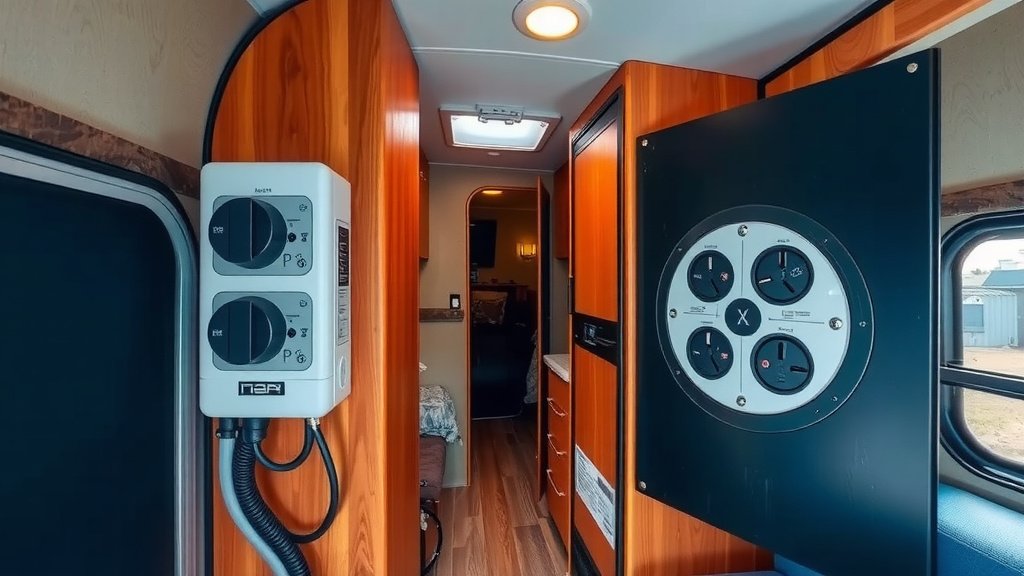
Using a surge protector seems simple, but there is a right way to do it. Follow this checklist to stay safe at every campsite you visit.
- Always plug the surge protector into the pedestal first, then connect your RV cord to it.
- Wait for the indicator lights to confirm the power is safe before flipping your main breaker on.
- Test the GFCI outlets on the pedestal before you connect anything else.
- Keep your protector covered from rain and snow with a simple plastic bag or weather cover.
- Inspect your power cord for cuts or frayed spots before plugging in.
- Check the digital display on your protector each time you set up camp.
That is a small time investment for huge peace of mind. Do it every time and you will drastically reduce your odds of electrical trouble.
Protecting Your Investment Smartly
Your RV is a major investment. Your electronics are a big part of that cost. A surge protector is the cheapest insurance you can buy for them.
We found that many people skip this purchase to save a few bucks. Then they blow a converter or TV and end up paying ten times more to fix it. Don’t let that be you.
The right protector lets you relax and enjoy your trip. You know your gear is safe. That is the whole point of worry-free camping, right?
Conclusion
Your 50 amp RV deserves serious protection, and the right surge protector makes all the difference. We walked through the top models and the specs that actually matter for keeping your rig safe.
For most campers, the Hughes Autoformers PWD50-30 offers the best mix of protection and features. Its voltage boost alone sets it apart from the competition. If you are on a budget, the EPOCH still gets the job done without breaking the bank.
Here is your next step. Check your RV plug right now and confirm your amp rating. Then pick the model that matches your camping style and order it before your next trip. Your electronics will thank you.
Frequently Asked Questions
Can I use a 30 amp surge protector on my 50 amp RV?
No, you should never use a 30 amp protector on a 50 amp system. Your RV will try to pull more power than the protector can handle, which can cause serious damage. You need a unit rated specifically for 50 amps to match your electrical system’s capacity.
How long do RV surge protectors last?
Most quality surge protectors last between 3 to 5 years with regular use. The internal components wear down each time they absorb a surge. We found that replacing yours every few years ensures you always have full protection when you need it most.
Will a surge protector help with low voltage at campgrounds?
It depends on the model you choose. Standard surge protectors only block spikes and won’t fix low voltage problems. The Hughes PWD50-30 has built-in voltage boost technology that corrects low power automatically, while budget models like the EPOCH just shut off if voltage drops too low.
Do I need a surge protector if my RV has a built-in inverter?
Yes, absolutely. Your inverter creates power for your batteries, but it does nothing to protect against surges coming from the campground pedestal. A surge protector works at the entry point of your electrical system, which is a completely different layer of protection.
What do the different error codes on my surge protector mean?
Each error code tells you about a specific wiring problem at the pedestal. Common ones include reversed polarity, open ground, and open neutral. Your protector’s display or manual will explain what each code means, but the important part is that the unit shuts off power automatically to keep you safe.