Do You Need an RV Surge Protector? Key Facts
Yes, you likely need an RV surge protector if you want to protect your camper’s electronics from costly damage. We found that standard RV electrical hookups don’t always deliver clean, steady power. Even in nice campgrounds, power spikes and surges happen more often than you’d think.
That’s why we strongly suggest adding a surge protector to your setup. Think of it as a cheap insurance policy for your TV, microwave, and refrigerator. A single power surge can fry your RV’s electrical system in a blink, and repair bills can easily run into the thousands.
- Yes, you should buy one if you want to keep your electronics safe.
- They protect against sudden voltage spikes and low-power brownouts.
- A basic surge protector costs way less than one repair bill.
- Get one with automatic shutoff to stop damage before it starts.
- They are easy to install and plug in right at the power pedestal.
Below, we break down everything you need to know about choosing the right RV surge protector—without the confusing tech talk. Let’s figure out exactly what fits your setup and your travel style.
Why Your RV Needs a Power Guard
Let’s cut straight to it. You plug your RV into a campground pedestal and expect clean power. But that’s not always what you get. We found that campground wiring can be old, damaged, or just plain faulty. That pedestal might deliver a dangerous spike or a weak brownout. Your RV’s expensive electronics pay the price.
Many RVers think they can skip this gear. They assume the breaker on the pedestal will save them. That breaker only protects the campground’s wires, not your camper. It does nothing against a sudden voltage spike. You need your own defense at the point of connection.
The Real Cost of a Power Surge
A single surge can destroy your converter, your refrigerator control board, and your TV. We found that these repairs often cost between $1,500 and $3,000. Compare that to the price of a good surge protector, which often runs between $50 and $300. The math is pretty simple here.
Think about it like this. You wouldn’t drive without a seatbelt. You wouldn’t skip homeowners insurance. An RV surge protector works the same way. It’s a small daily cost that saves you from a massive headache later.
What Exactly Is a Surge Protector?
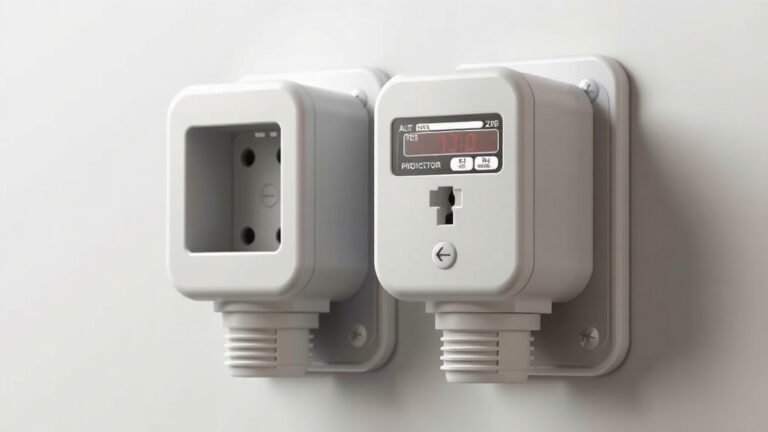
A surge protector is a smart power strip for your whole RV. It sits between the campground pedestal and your shore power cord. It watches the incoming voltage constantly. If it senses a dangerous spike, it shuts off the power instantly. This cuts the surge before it reaches your camper.
It’s not a battery or a generator. It doesn’t store power. It just monitors and cuts. Some models also protect against low voltage, which is just as dangerous as a spike. Low voltage makes your AC motor work harder and can burn it out over time.
How to Determine Your RV Surge Protection Needs
Not every RV needs the same level of protection. You have to match the device to your setup. We found that the first step is knowing your shore power plug type. Most RVs use either a 30-amp or 50-amp plug. Some smaller trailers use a standard 15-amp household plug.
Your owner’s manual tells you which one you have. Or just look at the plug on your power cord. A 30-amp plug has three prongs. A 50-amp plug has four prongs. Getting the right match matters for safety and performance.
30-Amp vs. 50-Amp Protectors
A 30-amp protector handles up to 3,600 watts. That works for most travel trailers and small fifth wheels. A 50-amp protector handles up to 12,000 watts. That’s for large motorhomes and big fifth wheels with two AC units.
Don’t guess on this one. Using a 30-amp protector on a 50-amp RV is like putting a garden hose on a fire hydrant. It won’t deliver enough power. And using a 50-amp protector on a 30-amp RV won’t protect the smaller system correctly.
Portable vs. Hardwired Options
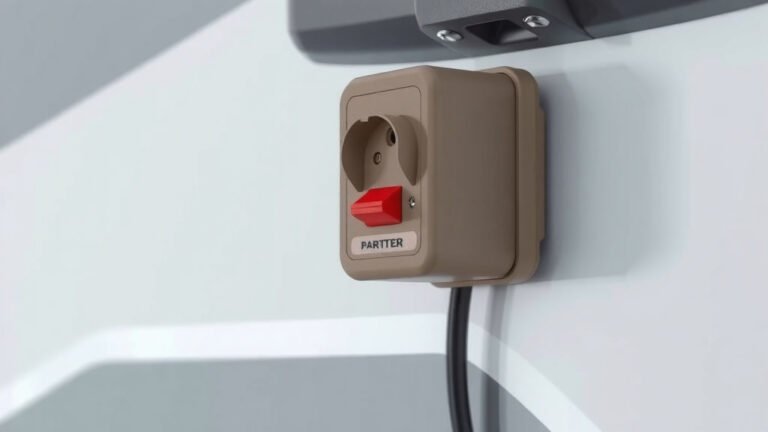
You have two main choices for installation. A portable unit plugs directly into the pedestal. Then you plug your shore cord into it. It’s easy to move between RVs and takes five minutes to install.
A hardwired unit mounts inside your RV’s electrical bay. It’s permanently wired into your system. It’s always on and can’t be stolen. But installation is trickier and often needs an electrician. We found that portable units are the best choice for most RVers because they’re simple and effective.
Surge Protector vs. Electrical Management System
Here’s where people get confused. A basic surge protector only handles voltage spikes. An electrical management system (EMS) does much more. It protects against surges, low voltage, high voltage, open neutrals, and reversed polarity. It’s the full-body armor for your RV.
We found that an EMS is worth the extra money if you camp in older parks or boondock often. It checks the pedestal’s wiring before it sends power to your rig. If something is wrong, it tells you with a code on a small screen. That kind of information is gold.
Many experts say an EMS is the smarter investment. The price difference is often only $100 to $200. When you consider what it protects, that’s a small price for peace of mind. You can buy a basic surge protector now and upgrade later if you want.
Key Features to Look For
All surge protectors are not created equal. You want one that does the job right. We found that these features make the biggest difference in real-world use.
- Automatic shutoff that kills power instantly when it detects a problem.
- Digital display that shows the current voltage and any error codes.
- Weatherproof housing that survives rain, snow, and sun.
- LED indicator lights that confirm the unit is working.
- Thermal protection that prevents overheating in hot climates.
Common Misconceptions About RV Surge Protectors
Some RVers think a surge protector is a waste of money. They say, “I’ve been camping for 20 years and never had a problem.” That’s survivor bias. Just because you haven’t had a surge yet doesn’t mean you won’t. The one time you skip it could be the time the power goes haywire. For more on common misconceptions, our article on why RV surge protectors are necessary covers the myths and realities.
Others think the campground’s breaker is enough. That’s false. A breaker trips on overload, not on voltage spikes. A spike can be thousands of volts for a split second. The breaker won’t even notice. Your RV’s electronics will.
Do You Need One for a Brand-New RV?
Yes, even a new RV needs protection. A new camper’s electronics are just as vulnerable as an older one. In fact, newer RVs have more sensitive circuit boards and touchscreens. Those are prime targets for power surges.
We found that many RV dealers don’t include a surge protector in the purchase price. They expect you to buy one separately. So don’t assume your new rig is protected just because it’s fresh off the lot. Check your setup and add one before your first trip.

How to Install and Use a Portable Surge Protector
Installing a portable surge protector is a five-minute job. You don’t need any tools or special skills. Here’s how it works. First, turn off the campground pedestal’s breaker. Then plug the surge protector into the pedestal. Next, plug your RV shore cord into the surge protector. Finally, turn the breaker back on.
Watch the display on the unit. It will show the voltage and check for wiring errors. If everything is good, you’ll see a green light or “OK” message. If there’s a problem, it will show an error code. Do not bypass the error. Fix the problem or move to another site.
A Quick Pre-Trip Checklist
Before you hit the road, run through this list. It takes two minutes and saves you a lot of trouble later.
- Check that your surge protector matches your amp rating (30 or 50).
- Make sure the display screen lights up when you plug it in.
- Test the unit at home on a known-good outlet.
- Inspect the cords for cracks or frayed ends.
- Keep the manual in your glove box for error codes.
- Buy a second one if you camp in older, rural parks often.
Comparing the Top Surge Protection Options
Still not sure which one to pick? We found that comparing the main types helps. Here’s a simple breakdown of what you get at each price level. This should help you decide what fits your camping style.
| Type | Protection Level | Typical Price | Best For |
|---|---|---|---|
| Basic Surge Protector | Surges only | $50 – $100 | Budget-minded campers |
| Surge Protector with Display | Surges + voltage monitoring | $100 – $200 | Most RVers |
| Electrical Management System | Surges + wiring faults + low/high voltage | $200 – $400 | Full-timers and frequent travelers |
As you can see, the price jumps are small compared to what they protect. A display model is the sweet spot for most people. It gives you real-time feedback without breaking the bank.
Final Thought on Making the Call
So, do you need an RV surge protector? We found the answer is a clear yes for almost everyone. The cost is low. The installation is easy. The protection is essential for your expensive gear. It’s one of the best small investments you can make for your camper.
Don’t wait until something goes wrong. By then, it’s too late. Buy a surge protector before your next trip, plug it in, and enjoy the road with one less worry. Your TV, fridge, and AC will thank you. And so will your wallet.
Conclusion
You don’t have to be an electrician to know that protecting your RV is smart. A surge protector is one of the simplest, most affordable upgrades you can make. We found that a single power spike can wreck thousands of dollars in electronics in an instant. A quality protector shuts that danger down before it reaches your rig.
Get a unit that matches your plug type, whether that’s 30-amp or 50-amp. Look for automatic shutoff so you don’t have to babysit it. If you want extra peace of mind, step up to an electrical management system that catches wiring faults too. The extra cost is small compared to a repair bill. Buy one before your next trip, plug it in, and hit the road with confidence.
Frequently Asked Questions
Can a surge protector be stolen at a campground?
Yes, portable surge protectors can be stolen if you leave them plugged in. That’s why many RVers use a locking device or cable to secure them to the pedestal. Some newer models come with built-in locking rings for this exact reason. A simple padlock is often enough to deter a thief.
How long does an RV surge protector last?
Most quality surge protectors last anywhere from 3 to 5 years with regular use. They can wear out over time, especially if they absorb multiple surges. That’s because each surge uses up some of the protection capacity inside the unit. If you see a warning light or error code that won’t clear, it’s time to replace the unit.
Will a surge protector fix low voltage at a campground?
A basic surge protector will not fix low voltage. It only handles sudden spikes. You need an electrical management system for low voltage protection instead. That type of unit will shut off power if the voltage drops below a safe range, which prevents your AC and other motors from burning out.
Can I use a household surge protector power strip in my RV?
You should not use a household power strip as your main RV surge protector. Those strips are designed for small electronics like TVs and phone chargers. They cannot handle the heavy load of an RV air conditioner, refrigerator, or microwave. You need a dedicated RV surge protector that matches your 30-amp or 50-amp system.
Is it okay to plug an RV surge protector into a generator?
Yes, you can use a surge protector with a generator in most cases. Generators can produce voltage fluctuations, so protection is still helpful. Just make sure your generator is properly grounded before you plug in. Some newer generators have special requirements, so you’ll want to check your protector’s manual to confirm it’s compatible.