How to Hook Up a Surge Protector to Your RV
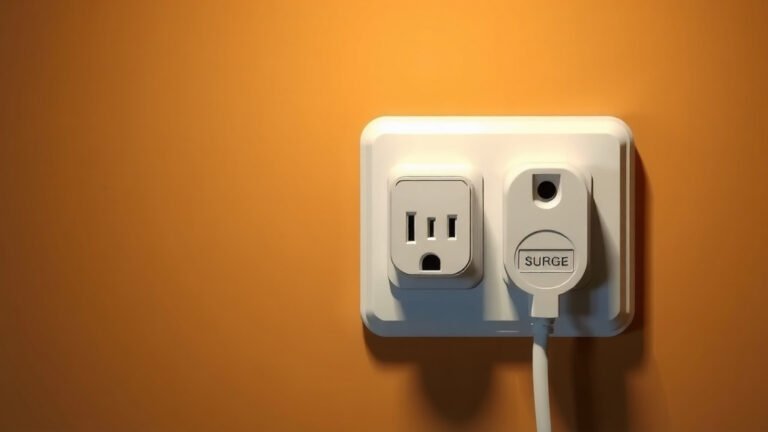
The safest way to hook up a surge protector to your RV is to plug it directly into the campground pedestal first, and then plug your RV’s power cord into the surge protector. This simple order protects your rig from power spikes the moment you connect. Always make sure the pedestal breaker is off before you plug anything in, and you are ready to go.
We found that most RV owners skip this step because they simply don’t want to crawl around in the dirt. But that little box is your first line of defense against fried electronics and costly electrical repairs. It acts like a power strip for your whole house on wheels, and it is well worth the few extra minutes it takes to set up.
- Plug order matters: Surge protector to pedestal first, then RV cord to surge protector.
- Shut off the power: Turn off the pedestal breaker before making any connections.
- Check the lights: Look for the “OK” or “Power” light on the unit before switching the breaker back on.
- Secure everything: Use a locking bracket or a simple bungee cord to keep the plug from sagging.
- Charge your phone: Make sure you are connected to the shore power pedestal, not just the battery.
Below, we will walk you through the exact hook-up process step by step, plus share a few safety tips we think everyone should know before they roll into their next campsite.
Getting Your RV Surge Protector Hooked Up the Right Way
You do not need to be an electrician to protect your RV. Hooking up a surge protector is a simple five-minute job. You just need to follow the correct order and check a few things along the way.
We found that taking your time here saves you from a headache later. Let us walk you through the exact process, so you can relax and enjoy your campsite without worrying about your electronics.
Understanding Your Pedestal Power Source
Before you touch anything, look at the power pedestal. You will see a metal box with a breaker switch and a heavy-duty outlet. That outlet is where your surge protector plugs in.
Think of the pedestal like a wall socket in your house, but much bigger. It delivers 120-volt power to your rig. The breaker inside is the master switch for that specific outlet. Make sure it is in the “Off” position before you do anything else.
Why the Breaker Has to Be Off
Plugging into a live outlet can cause a spark. That spark can damage the prongs on your surge protector. It might even trip the campground’s main breaker, which is a hassle for everyone.
Many experts say that turning off the power before connecting is the single most important safety step (Occupational Safety and Health Administration). It is a tiny action that prevents big problems.
So, reach in and flip that breaker. It usually looks like a regular light switch but has a larger handle. Push it down to the “Off” position.
Step-by-Step Guide to Connecting Your Protector
Now that the power is off, you can safely make your connections. The order of operations is simple. You always connect the surge protector to the pedestal first.
We found that doing this creates a safe path for your power. It allows the unit to monitor the electricity before it ever reaches your RV. Here is the step-by-step breakdown.
Step 1: Plug the Surge Protector into the Pedestal
Take your surge protector and push it firmly into the pedestal outlet. Make sure it clicks into place. It should feel snug and secure, not loose or wobbly.
If your unit has a handle or a ring, use it to push. You do not want to pull on the cord itself. Twisting slightly while pushing can help the prongs align perfectly.
Some pedestals have a locking ring around the outlet. If yours does, tighten it down to hold the plug in place. This adds an extra layer of security against accidental disconnects.
Step 2: Connect Your RV Power Cord to the Surge Protector
Now, grab the heavy power cord from your RV. This is the thick, rubber cable that stores in a compartment on the side of your rig. Plug the female end of this cord into the outlet on the surge protector.
This is usually a twist-lock connection. You push the plug in and then turn it clockwise until it locks. You should hear a click or feel it snap into place. If it has a ring, slide it over the connection to keep it tight.
Again, make sure this is snug. A loose connection here can overheat and cause damage. Give it a gentle tug to confirm it is locked in.
Step 3: Check the Indicator Lights
Before you flip the breaker back on, look at the surge protector’s face. You should see a series of small indicator lights. These tell you the status of the unit.
With the breaker off, the lights will be dark. That is expected. Now, go back to the pedestal and flip the breaker to the “On” position.
Return to your surge protector and look at the lights again. You are looking for a green “Power” or “OK” light. This confirms that the unit is working and protecting your RV.
Reading the Warning Lights on Your Unit
What if you see a red light or the unit is beeping? Do not panic. That usually means there is a wiring problem at the pedestal. It could be a bad ground or an open neutral.
Your surge protector is doing its job by blocking the power. It is keeping unsafe electricity away from your RV. You need to move to a different site or ask the campground host to fix the pedestal.
We found a quick test for this. Plug your surge protector into a different outlet, like one at the camp store, to see if it reads “OK”. If it works there, the problem is with the pedestal, not your unit.
Securing Your Setup for the Long Haul
You are connected and protected. Now, you need to make sure everything stays that way. A dangling plug can pull loose overnight or in bad weather.
The weight of the power cord can strain the connection. This is a common cause of intermittent power loss. A little bit of prevention saves you from waking up to a dead battery in the morning.
Using a Locking Bracket or Bungee Cord
Many surge protectors come with a small metal bracket. This bracket screws into the side of the pedestal box. It also has a hole that fits over the plug handle.
If you lost the bracket, a simple bungee cord works wonders. Loop it around the plug and hook it to the pedestal handle. This takes the weight off the outlet and keeps the cord from sagging.
We found that using a short, thick rubber strap is the best method. It is easy to install and even easier to remove. You will thank yourself when you are packing up in a hurry.
Keeping Water and Dirt Out
If you are camping in the rain, water can get into the connection. Most surge protectors have a foam gasket to keep moisture out. You just need to make sure the lid on the pedestal closes fully.
Some people use a plastic bag to cover the connection. That works in a pinch, but you should avoid trapping moisture inside a sealed bag. Condensation can form and cause corrosion.
The best approach is to keep the pedestal door closed as much as possible. It protects the connection from the elements and from curious kids.
Understanding What a Surge Protector Actually Does
It helps to know why you are doing this. A surge protector is not the same as a power converter or an inverter. It has one main job: to stop voltage spikes.
Think of it like a surge protector for your home computer. It sits between the wall and your expensive equipment. If a lightning strike or a faulty transformer sends a power spike, the unit absorbs the hit.
The component inside that absorbs the spike is called a Metal Oxide Varistor, or MOV. When voltage gets too high, the MOV shunts the excess energy to the ground wire. This protects your RV’s appliances from damage.
Types of Protection: Surge vs. Electrical Management
There is a big difference between a basic surge protector and an Electrical Management System (EMS). A surge protector only handles spikes. An EMS also checks for low voltage, high voltage, and wiring faults.
If you camp in older parks, an EMS is a smart investment. It will shut off your power if the voltage drops too low. Low voltage can burn out your air conditioner compressor faster than a spike.
All EMS units include surge protection. They are like a surge protector with extra training. It is a bigger upfront cost, but it gives you more peace of mind.
| Feature | Basic Surge Protector | Electrical Management System |
|---|---|---|
| Surge Protection | Yes | Yes |
| Low Voltage Shut-off | No | Yes |
| High Voltage Shut-off | No | Yes |
| Wiring Fault Detection | No | Yes |
| Typical Price Range | $50 – $150 | $200 – $500 |
We found that most full-time RVers choose an EMS. It offers the most complete protection for a home on wheels. For weekend campers, a standard surge protector is often enough to cover the basics.

Checking Your Adapter Connections
What if your RV has a 30-amp plug and the pedestal has a 50-amp outlet? You need an adapter. This is a simple plastic piece that lets you plug a smaller plug into a bigger socket.
Your surge protector can be either 30-amp or 50-amp. You need to make sure you place the adapter in the correct spot. The order of connection matters here as well.
Where the Adapter Goes in the Chain
The pedestal outlet is the largest opening. The RV cord is the largest plug. The adapter bridges the difference between them and the surge protector.
A good rule of thumb is to plug the adapter into the pedestal first, then plug the surge protector into the adapter. This keeps the surge protector as close to your RV as possible.
Here is a simple visual chain: Pedestal → Adapter → Surge Protector → RV Cord. Following this order keeps the connection points sealed and secure.
Final Pre-Camping Checklist
Before you kick back and enjoy that campfire, run through this checklist. It takes less than a minute and catches most common setup errors. We found that a quick scan saves you from a frustrating troubleshooting session later.
- Pedestal breaker is off before you plug anything in.
- Surge protector is plugged in and locked to the pedestal or adapter.
- RV power cord is twisted and locked into the surge protector.
- Check the lights: you see a solid green “OK” or “Power” light.
- No error codes or beeping sounds coming from the unit.
- Secure the cord with a bracket or bungee strap to prevent sagging.
One last thing. Make sure the pedestal door latches shut. This protects your expensive gear from rain and from short circuits caused by moisture. A closed door also keeps bugs and spiders out of your power connection.
That is truly all there is to it. You are now safely connected to shore power. Your electronics are protected, and you have one less thing to worry about on your trip.
Conclusion
You do not need to be an electrician to keep your RV safe. All it takes is the right order: pedestal first, then surge protector, then your RV cord. Make sure that breaker is off before you start, and always check for that green light before you settle in.
We found that a few extra minutes at the pedestal saves you from expensive repairs down the road. Secure your connections, keep the weather out, and you are set for a worry-free trip.
Now go hook up your surge protector before your next camping trip. Make it part of your standard setup routine, just like leveling your rig. Your electronics will thank you.
Frequently Asked Questions
Can I leave my surge protector plugged in all the time?
Yes, you can leave it connected for your entire stay. It is designed to handle continuous power flow. Just inspect the unit for any signs of damage before you plug it in each time.
What does the “E” or error code mean on my surge protector?
An error code usually means there is a wiring problem at the pedestal. This could be a bad ground, an open neutral, or reversed polarity. Your unit is working correctly by shutting off the power. You will need to try a different pedestal or ask the campground host for help.
Do I need a surge protector if my RV is brand new?
Yes, you absolutely do. A new RV does not protect you from power spikes at the campground. The surge protector is the only thing standing between a faulty pedestal and your brand-new appliances.
Will a surge protector drain my RV battery?
No, a surge protector does not drain your battery. It only uses a tiny bit of power to run its indicator lights. Your battery is managed by the RV’s converter system, which is completely separate.
Can I plug two surge protectors together for extra protection?
No, do not do this. It creates a dangerous daisy-chain effect. One high-quality surge protector or EMS unit is all you need. Plugging two together can actually cause voltage drops and reduce the level of protection you get.