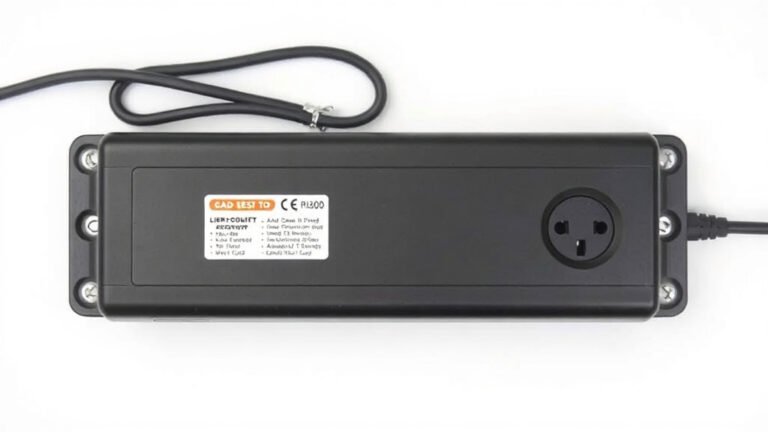
How to Choose a Good RV Surge Protector
A good RV surge protector is a device that guards your camper’s electrical system from dangerous power spikes and faulty park hookups. We found that it’s the single best way to protect thousands of dollars worth of your appliances from a single moment of bad wiring. If you plug into campground power, you need one.
When we talk about a good one, we mean more than just a basic power strip with a breaker. A quality unit doesn’t just stop a sudden lightning strike; it also shuts off your power safely if the pedestal has a wiring problem like a lost neutral or a hot ground. We found that most damage isn’t from one big spike, but from low voltage and repeated surges that wear down your AC unit and fridge over time.
- What it is: A smart guard that cuts power if it detects dangerous wiring problems.
- What to look for: High joule rating, weatherproof casing, and easy-to-read digital display.
- Hardwired vs portable: Portable ones go on the pedestal; hardwired ones fit inside your RV.
- Best features: Auto-shutoff on high or low voltage, plus a thermal shutdown for overheating.
- Cost range: A reliable unit runs between $100 and $300 for solid protection.
Below, we break down exactly how these protectors work, why they beat a cheap power strip, and the specific specs you need to check before you buy one.
Choosing a Surge Protector That Actually Protects Your Rig
You just pulled into a gorgeous campsite. You back in, level the rig, and plug into the pedestal. Then you flip on the AC and pray nothing pops.
We found that most RV owners don’t think about power protection until something smells like burnt toast. Don’t let that be you. The right unit handles dirty power, low voltage, and sudden spikes that can fry your converter in seconds.
Let’s walk through what separates a real protector from a fancy extension cord.
The Difference Between a Surge Protector and an Electrical Management System
Many experts say these terms get tossed around like they mean the same thing. They don’t.
A surge protector handles voltage spikes. Think lightning or a bad transformer. It absorbs that extra energy and keeps it from reaching your appliances.
An electrical management system (EMS) does that too, but it also monitors everything else. It checks for low voltage, high voltage, reverse polarity, open grounds, and a lost neutral wire. If anything looks wrong, it cuts power instantly.
We found that an EMS is the safer choice for most campers. It covers every wiring problem, not just spikes.
Why a $20 Power Strip Is a Bad Idea
That cheap strip from the hardware store has a tiny breaker inside. It trips on overloads, but it does nothing for surges. A single power spike can blow right through it.
Federal safety guidelines point out that basic power strips lack the components to absorb high-energy surges (U.S. Consumer Product Safety Commission). They simply aren’t built for campground pedestals with inconsistent wiring.
You spent tens of thousands on your RV. Protect it like it matters.
Key Features to Look For in a Quality RV Surge Protector
Not all protectors are created equal. Some are bare-bones. Others are full-blown power guardians. Here’s what we found matters most when you’re shopping.
Joule Rating and Surge Capacity
This number tells you how much energy the unit can absorb before it gives out. Higher is better, plain and simple.
For an RV, anything under 1,200 joules is weak. We recommend looking for at least 2,000 to 3,000 joules. That gives you a solid buffer for repeated smaller surges and one big hit.
Keep in mind that surge protectors wear down over time. Each surge eats away at the rating. After enough hits, the unit stops protecting.
Response Time and Clamping Voltage
Response time is how fast the unit reacts to a spike. You want this under one nanosecond. That sounds nerdy, but it matters. A slow unit lets the surge reach your appliances before it cuts off.
Clamping voltage is the point where the unit kicks in. Lower clamping voltage means better protection. Look for around 330 volts or less for sensitive electronics like your TV and microwave.
Weatherproof and Rugged Housing
Your protector sits outside in rain, snow, mud, and blazing sun. It needs to handle that abuse.
We found that genuinely weatherproof models have sealed housings and covered plugs. They keep moisture out and prevents corrosion. Some even come with flip-down covers to protect the display screen.
Don’t buy a unit with a flimsy plastic shell. Check the specs for an IP rating. An IP67 rating means it’s fully sealed against dust and temporary water immersion.
Portable Surge Protectors vs. Hardwired Units
You have two main ways to install a protector. Both work well. Your choice depends on your rig and your level of comfort with DIY projects.
Portable Surge Protectors: Simple and Flexible
These plug directly into the pedestal. Your shore power cord plugs into the unit. It’s that easy.
We found that portable units are the best pick for most people. They work on any RV, from a pop-up camper to a class A diesel pusher. If you ever switch RVs, you keep the protector.
Portable units also give you a visible display. You can see voltage, amperage, and any error codes right on the screen. That is a huge help when you’re troubleshooting a bad pedestal.
Hardwired Surge Protectors: Set It and Forget It
Hardwired units mount inside your RV, usually near the electrical panel. They connect directly to your shore power wiring.
These are great because they’re always on. No need to lock a portable unit to the pedestal to prevent theft. They also keep the power cord shorter and cleaner.
The downside? Installation takes some know-how. you need to work with 120-volt wiring, which can be dangerous. Unless you have electrical experience, hire a professional to do the install.
Which One Should You Pick?
We found that most RV owners start with a portable unit. It’s user-friendly, transferable, and has that handy screen. Hardwired is a nice upgrade if you want a permanent solution and never worry about someone walking off with it.
Using an RV Surge Protector at the Campground
Plugging in with a protector is simple, but there are a few things to keep in mind. Thermal shutdown and error codes are your friends, not your enemies.
Understanding Error Codes and Auto-Shutoff
When you plug into a bad pedestal, your protector will show an error code. It might say “Open Ground” or “Reverse Polarity” or “High Voltage.”
Many people think the protector is broken when this happens. It’s not. It’s saving your bacon.
We found that a protector with auto-shutoff is a lifesaver. If the park’s power dips below 104 volts or spikes above 132 volts, the unit kills the connection. That prevents your AC compressor from burning out or your converter from frying.
Thermal Shutdown: Your Protector’s Emergency Brake
Heat is the enemy of electronics. If the unit gets too hot, either from high amperage or direct sun, it needs to shut down.
We found that a thermal shutdown feature stops power flow before the internal components melt. Some units even have a built-in fan to keep things cool during hot summer days.
If your protector keeps shutting down due to heat, check your power cord for damage. A frayed cord can cause resistance and heat buildup. Replace it before you cause a fire.
Comparing Popular RV Surge Protector Specs
We put together a quick comparison table so you can see how basic and premium units stack up. This is a general guide, not a specific product endorsement.
| Feature | Basic Protector | Full EMS Unit |
|---|---|---|
| Surge protection | Yes | Yes |
| Low voltage shutoff | No | Yes |
| High voltage shutoff | No | Yes |
| Open neutral detection | No | Yes |
| Digital display | Simple LEDs | Full voltage readout |
| Remote monitoring via app | No | Some models |
| Price range | $60 – $120 | $200 – $400 |
We found that the price jump between basic and full EMS is worth it. The extra $100 to $200 buys you protection from the most common campground wiring problems.
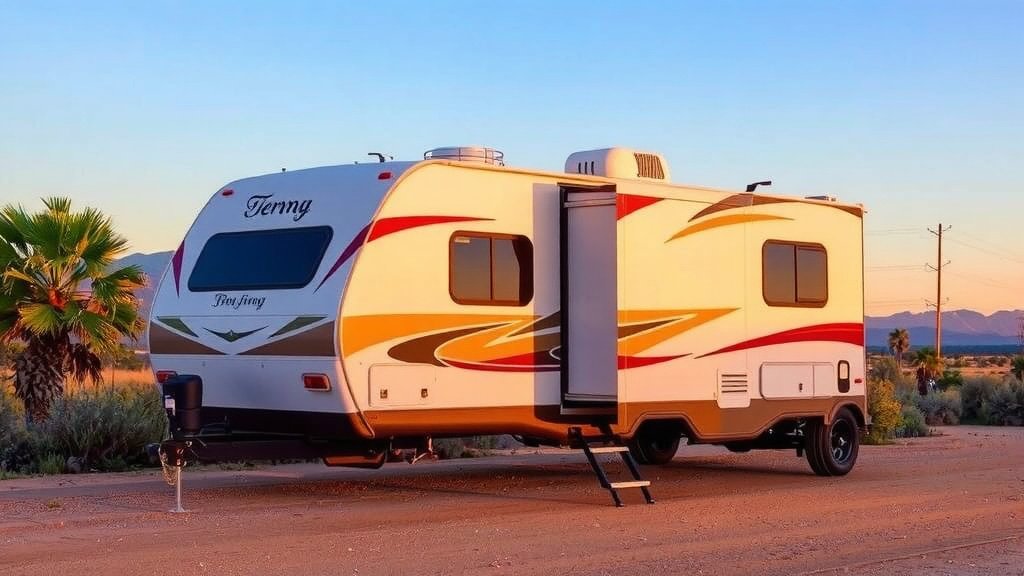
Real-World Protection: What We Found About RV Fires
RV electrical fires are no joke. The National Fire Protection Association highlights that faulty electrical connections or wiring are a leading cause of RV fires.
Many of those fires start at the pedestal connection point. A loose neutral wire can cause the voltage to spike erratically, generating intense heat in your power cord and transfer switch.
We found that a quality EMS unit catches these problems before they start. It detects the dangerous condition, cuts the power, and shows you an error code. You can then walk to the office and ask for a different site.
That’s not a hassle. That’s you avoiding a disaster.
Lightning Strikes: The Overhyped Threat
When people think of surge protectors, they imagine a lightning bolt hitting their rig. That is a scary thought, for sure.
But the truth is, a direct lightning strike will probably fry your protector too. No portable unit can handle a direct hit. Your RV’s electrical system is just not designed for that.
What protectors do help with is the surge from a strike that hits a nearby transformer or power line. That’s the realistic scenario. The protector absorbs that spike and keeps your electronics safe.
Should You Leave Your Surge Protector Plugged In When You Leave?
This is a common question, and the answer is usually no.
If you leave your RV for the day, unplug the protector from the pedestal. We found this is a smart habit for two reasons.
First, it prevents theft. Some units are pricey, and they are easy to snatch when no one is around. Second, it fully disconnects your RV from the park’s power, so any wiring issue on the pedestal won’t affect your rig.
If you want to keep the power on for a refrigerator or a battery charger, use the pedestal’s breaker or your RV’s battery disconnect. Don’t rely on the protector as a permanent connection.
Final Checklist Before You Buy
You’re almost ready to shop. Use this list to make sure you grab the right unit for your needs.
- Find your shore power amp rating: 30 amp or 50 amp. The protector must match it. A 50-amp unit won’t work on a 30-amp pedestal and vice versa.
- Check for a high joule rating: Aim for at least 2,000 joules, ideally more. This means longer protection life.
- Make sure it detects more than surges: You want low and high voltage protection, reverse polarity, and open ground detection.
- Look for auto-shutoff and thermal protection: These features save your appliances from sustained bad power and overheating.
- Pick a weatherproof model: Your unit sits outside. Look for IP67 or a sturdy, fully sealed housing.
- Decide between portable and hardwired: Portable is easier and transferable. Hardwired is permanent and hidden from thieves.
Take your time with this purchase. A solid protector is a few hundred bucks, but it guards a motorhome that cost you tens of thousands.
Conclusion
Your RV is a big investment, and a good surge protector is the cheapest insurance you can buy for it. We found that a full electrical management system is the smartest pick. It catches bad pedestal wiring, low voltage, and power spikes before they damage your appliances.
You do not need the most expensive model on the market. Just make sure it matches your shore power plug (30 or 50 amp) and has auto-shutoff features.
Ready to buy? Start by checking the amp rating on your power cord. Then look for a weatherproof EMS unit with at least 2,000 joules. That small step today can save you from a costly repair tomorrow.
Frequently Asked Questions
Will an RV surge protector stop a direct lightning strike?
No. A direct lightning strike will likely fry your protector and still damage your RV’s electrical system. These units are designed to handle surges from nearby strikes and faulty power lines, not a direct hit.
For the best protection, unplug your shore power during severe storms.
What does the green light on my surge protector mean?
A steady green light usually means your power is clean and safe to use. It confirms that the pedestal wiring is correct and your protected devices can draw power.
If you see red lights or an error code, the unit is detecting a problem and has cut the power to keep you safe.
Do I need a surge protector for a 30-amp or 50-amp RV?
Yes, you need one regardless of your RV’s size. However, you must buy a unit that matches your specific shore power plug.
A 30-amp protector will not work on a 50-amp pedestal, and a 50-amp unit will not function on a 30-amp hookup. Check your power cord rating before you shop.
Can a surge protector fix low voltage from the campground?
No, it will not fix the problem. Instead, it will detect the low voltage and shut off the power to your RV.
This protects your air conditioner compressor and converter from burning out. You just need to notify the campground staff that the site’s power is not performing correctly.
How long does an RV surge protector last?
It depends on how many surges it absorbs. Every power spike reduces the internal components’ lifespan.
You should replace your unit if the display stops working, it no longer shows a green light, or after it takes a massive hit. Checking it each season for wear and tear is a smart habit.