Will an RV Surge Protector Work With a Generator?
Yes, an RV surge protector will work with a generator, but you need to know a few important details first. We found that most modern surge protectors work fine with both shore power and portable generators, as long as you follow the right setup steps.
Generators can produce unstable power, especially when they run low on fuel or carry heavy loads. That’s why using a surge protector with your generator is a smart move. It helps guard your RV’s electrical system from voltage spikes and power fluctuations that could damage your appliances.
- Yes, surge protectors work with generators — they protect against voltage spikes just like they do with shore power.
- Check your generator’s output — make sure it matches your RV’s plug type (30-amp or 50-amp).
- Use a generator with clean power — inverter generators are safer for sensitive RV electronics.
- Plug the surge protector into the generator first, then connect your RV power cord to the protector.
- Watch for error codes — some protectors may flag generator power as “open ground” or “low voltage.”
Below, we’ll walk you through exactly how to set this up, what to watch for, and which types of generators pair best with your surge protector. Let’s dig in.
How Surge Protectors and Generators Work Together
You plug your RV into a generator, and you want to keep your appliances safe. That’s exactly what a surge protector does. It sits between the generator and your RV, catching any sudden spikes in voltage before they reach your expensive equipment.
We found that surge protectors don’t care where the power comes from. They monitor the flow of electricity and shut things down when something looks wrong. Whether you’re plugged into a campground pedestal or a portable generator, the protection works the same way.
Think of it like a bouncer at a club. The bouncer checks everyone coming in. If someone looks like trouble, they don’t get inside. Your surge protector does the same thing with electricity. It checks the power coming from your generator and blocks anything dangerous.
Why Generator Power Needs Extra Attention
Generators don’t always produce perfectly steady power. The voltage can dip and spike, especially when the generator is under load or running low on fuel. We found that these fluctuations can be hard on your RV’s electrical system.
Your RV’s appliances expect a steady flow of power at a specific voltage. When that flow gets interrupted or surges, it can damage things like your air conditioner compressor, microwave, or refrigerator control board. A surge protector catches these problems early.
Many experts say that using a surge protector with a generator is smart protection for your investment. It’s a small cost compared to replacing a fried appliance. Plus, it gives you peace of mind when you’re boondocking in the middle of nowhere.
Matching Your Generator to Your Surge Protector
Before you plug anything in, you need to check the numbers. Your generator and your surge protector must speak the same electrical language. That means matching voltage and amperage ratings.
Most RVs use either 30-amp or 50-amp service. Your generator should match that rating. A 30-amp surge protector won’t work with a 50-amp generator output. You could damage the protector or the generator itself.
Understanding 30-Amp vs 50-Amp Systems
A 30-amp system runs on 120 volts. It’s common in smaller RVs and trailers. A 50-amp system uses 240 volts split into two legs. It’s found in larger motorhomes and fifth wheels.
You need a surge protector that matches your RV’s plug type. If you have a 30-amp RV, get a 30-amp surge protector. If you have a 50-amp RV, get a 50-amp protector. Mixing them up creates a safety hazard.
We found that some surge protectors come with adapters. These let you connect a 30-amp protector to a 50-amp outlet or vice versa. But adapters can complicate things, so it’s best to use the correct size from the start.
Double-Check the Generator’s Wattage
Your generator needs enough wattage to handle your RV’s power draw. A 30-amp RV typically needs at least 3,600 watts. A 50-amp RV needs around 12,500 watts. If your generator is too small, it will struggle and produce unstable power.
Check your generator’s specs before you connect anything. The owner’s manual will tell you the continuous wattage and peak wattage. Make sure the continuous wattage covers what your RV needs. Running a generator at max capacity all the time is a recipe for trouble.
Inverter Generators vs Conventional Generators
Not all generators are created equal. We found that inverter generators are much better for sensitive electronics. They produce what’s called “clean power” with a consistent voltage and frequency. Conventional generators can produce “dirty power” with more fluctuations.
Your RV’s appliances are sensitive. The control boards in modern refrigerators and air conditioners can be damaged by dirty power. An inverter generator reduces that risk significantly.
Why Clean Power Matters for Your RV
Clean power means the electricity flows at a steady 60 hertz with minimal voltage variation. Inverter generators use advanced electronics to regulate the output. They adjust the engine speed to match the load, which keeps the power stable.
Conventional generators run at a constant engine speed. They produce power that can fluctuate when loads change. This is fine for power tools, but it’s risky for sensitive RV electronics. Many experts say that inverter generators are the safer choice for RVs.
If you already own a conventional generator, don’t panic. A good surge protector will help catch the worst spikes. But if you’re shopping for a new generator, consider an inverter model. Your RV’s electronics will thank you.
Setting Up Your Surge Protector with a Generator
The setup process is straightforward. You connect the surge protector to the generator first. Then you plug your RV’s power cord into the surge protector. This creates a chain: generator to protector to RV.
We found that the order matters. The surge protector needs to be between the power source and your RV. That way, it can monitor and filter all the electricity flowing through. If you plug the protector into the RV first, it won’t protect anything.
Step-by-Step Connection Guide
Here’s how to get everything connected safely:
- Turn off the generator and let it cool down if it’s been running
- Plug the surge protector directly into the generator’s outlet
- Connect your RV power cord to the surge protector
- Plug the other end of the power cord into your RV’s shore power inlet
- Start the generator and let it warm up for a few minutes
- Check the surge protector’s display for error codes or warnings
That’s it. Once the surge protector shows a green light or “OK” message, you’re good to go. Your RV will receive protected power from the generator.
What to Do If the Surge Protector Shows an Error
Sometimes the surge protector will display an error code when connected to a generator. We found that the most common issues are “open ground” and “low voltage” warnings. These don’t always mean something is broken.
An “open ground” error can happen with portable generators because they’re not grounded like a campground pedestal. Some surge protectors have a bypass mode for this. Check your protector’s manual to see if yours does.
A “low voltage” error means the generator isn’t producing enough power. This often happens when the generator is under a heavy load or running low on fuel. Try reducing the load or refueling the generator. Then reset the surge protector.
Common Problems and Quick Fixes
You might run into a few hiccups when using a surge protector with a generator. The good news is that most problems have simple solutions. We’ve seen these issues come up again and again with RV owners.
The most common problem is the surge protector refusing to pass power through. This usually means it detected something wrong with the generator’s output. Check the error code and address the underlying issue.
Dealing with Voltage Fluctuations
Generators can produce unstable voltage when they’re stressed. This happens when you’re running multiple appliances at once or when the generator is low on fuel. The surge protector will cut power to protect your RV.
To fix this, turn off some appliances to reduce the load. Let the generator run for a few minutes to stabilize. Then reset the surge protector. If the problem persists, your generator may need maintenance.
We found that keeping your generator well-maintained prevents many of these issues. Change the oil regularly. Clean the air filter. Use fresh fuel. A healthy generator produces more stable power.
Choosing the Right Surge Protector for Generator Use
Not all surge protectors are designed for generator use. Some models have features that work better with portable power sources. We found that looking for a few key features will help you make the right choice.
Look for a surge protector with a clear display. You want to see the voltage, amperage, and any error codes at a glance. This helps you diagnose problems quickly when you’re using a generator.
Key Features to Look For
Here’s what we recommend you look for when shopping for a surge protector for generator use:
- Surge protection rating of at least 1,000 joules
- Built-in voltage monitoring with error code display
- Overload protection that shuts off power automatically
- Weatherproof housing for outdoor use
- Bypass mode for open ground warnings
- Warranty that covers connected equipment
These features make a big difference when you’re running on generator power. They give you more information and more control. Plus, they protect your RV’s electrical system more thoroughly.
Portable vs Hardwired Surge Protectors
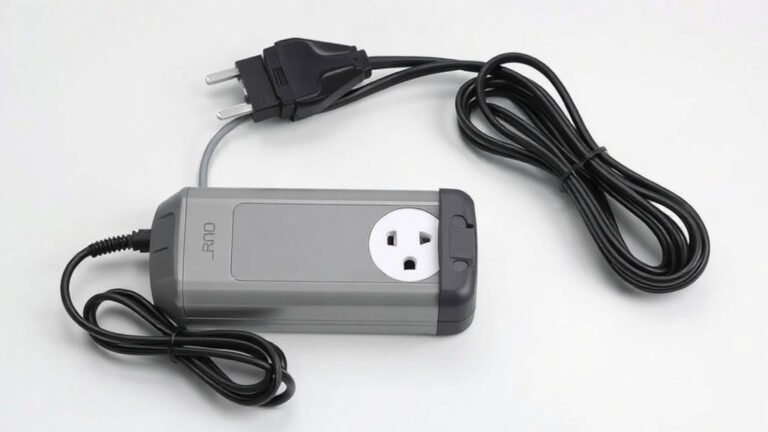
You have two main options for surge protectors: portable and hardwired. Portable ones plug into the power source and your RV plugs into them. Hardwired ones are installed inside your RV’s electrical panel.
For generator use, we found that portable surge protectors are more convenient. You can move them between different power sources. You can also see the display easily. Hardwired protectors are more permanent and protect against surges from all sources.
Many RV owners use both. A hardwired protector provides baseline protection. A portable one adds extra security and gives you more information. It’s a belt-and-suspenders approach that works well.
Safety Tips for Running Your RV on Generator Power
Using a generator with your RV requires some common sense. We found that following a few safety rules keeps everyone safe and your equipment working properly. Here’s what you need to know.
Always run your generator outdoors. Never operate it inside your RV, garage, or any enclosed space. Generators produce carbon monoxide, which is deadly. This is a non-negotiable safety rule.
Quick Safety Checklist
Before you fire up the generator and plug in your RV, run through this checklist:
- Generator is on a flat, dry surface away from your RV
- All cords are rated for outdoor use and in good condition
- The surge protector is rated for your RV’s amperage
- You have enough fuel for your planned run time
- Carbon monoxide detectors are working inside your RV
- All connections are tight and secure before powering on
Taking a few minutes to check these things saves you from headaches later. It also keeps you and your family safe. That’s the most important thing.
When You Might Not Need a Surge Protector
Some RVers wonder if they really need a surge protector with a generator. The honest answer is that it depends on your setup. If you have a high-quality inverter generator and a newer RV, the risk is lower.
But we found that the cost of a surge protector is small compared to the cost of repairs. A single voltage spike can damage your RV’s converter, refrigerator, or air conditioner. Replacing any of those costs far more than a good surge protector.
Many experts say that surge protection is always worth the investment. Even if you rarely use a generator, you’re protected when you do. Plus, you’re also protected when you plug into shore power at campgrounds.
In the end, using a surge protector with your generator is a simple way to protect your RV. It works, it’s easy to set up, and it gives you peace of mind. That’s a winning combination in our book.
Conclusion
You can absolutely use an RV surge protector with your generator. It’s one of the smartest moves you can make to protect your rig’s electronics. We found that the key is matching your amperage, using a quality inverter generator when possible, and setting everything up in the right order.
Keep an eye on your surge protector’s display for error codes. Most issues you’ll see are easy to fix. Just reduce the load on your generator or check the ground connection.
Here’s your next step: check your generator’s specs and your RV’s plug type today. If they match, grab a surge protector rated for your system. You’ll have reliable, protected power on your next camping trip.
Frequently Asked Questions
Will a surge protector work with any type of generator?
Yes, surge protectors work with both conventional and inverter generators. The protector doesn’t care what’s producing the power. It just monitors the voltage coming through and blocks surges.
That said, inverter generators produce cleaner power. You’ll have fewer error codes and less stress on your RV’s electronics with an inverter model.
Why does my surge protector say “open ground” when connected to my generator?
This is a common issue with portable generators. They don’t have a true earth ground connection like a campground pedestal does. The generator floats its own ground, which some surge protectors detect as a problem.
Many surge protectors have a bypass mode you can activate. Check your owner’s manual for this feature. You can also use a grounding rod to create a proper ground for the generator.
Can I plug my RV surge protector into a generator adapter?
You can, but you should be careful about how you chain the connections. We found that using an adapter to change plug shapes is generally fine. The surge protector still does its job.
Just make sure you don’t reduce your amperage. For example, don’t run a 50-amp RV through a 30-amp protector using an adapter. That creates a dangerous bottleneck.
Do I need a specific type of surge protector for generator power?
No, you don’t need a special model. Any quality surge protector rated for your RV’s amperage will work with a generator. Look for one with a clear display and good joule rating.
We recommend a model with a bypass mode for open ground warnings. This feature comes in handy more often with generators than with shore power.
Will a surge protector fix dirty power from my generator?
A surge protector catches sudden spikes and voltage surges. It does not condition or clean the power flowing through it. It’s a safety device, not a power transformer.
If you have a conventional generator producing dirty power, consider adding a power conditioner. Better yet, look into upgrading to an inverter generator for clean, stable output.