How to Seal Rubber Roof on RV: Expert Tips & Tricks
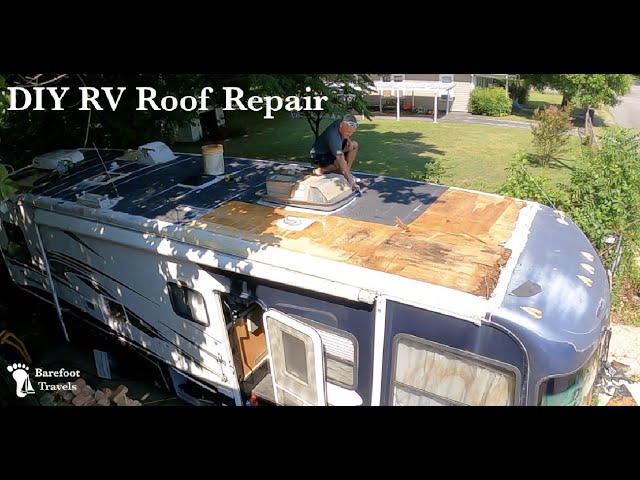
Traveling in an RV is fun. But you must take care of it. One important part is the roof. It keeps you dry. A rubber roof is common in RVs. Sometimes, it needs sealing. This makes sure water stays out. Let’s learn how to do it.
Why Seal a Rubber Roof?
Sealing stops leaks. It protects from rain and snow. It keeps your RV safe. You can travel without worry. If water gets inside, it can cause damage. Damage is expensive to fix. Sealing saves money.
Tools You Need
- Rubber roof cleaner
- Rubber roof sealant
- Brush or roller
- Bucket
- Ladder
- Gloves

Credit: www.amazon.com
Step-by-Step Guide
Step 1: Clean The Roof
First, clean the roof. Use a rubber roof cleaner. Make sure it is suitable for RVs. Mix it in a bucket with water. Follow instructions on the cleaner. Use a brush to scrub the roof. Remove dirt and debris. Rinse with water. Let it dry completely.
Step 2: Inspect The Roof
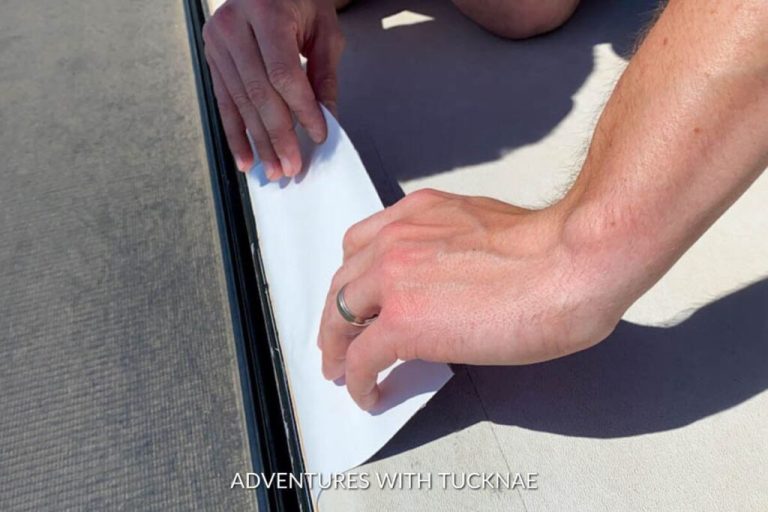
Look for damage. Check for cracks or holes. If you find any, fix them first. Use special patches for rubber roofs. This helps sealant work better.
Step 3: Apply The Sealant
Now, apply the sealant. Put on gloves. Use a brush or roller. Start at one end of the roof. Work in small sections. Spread the sealant evenly. Make sure to cover all areas. Don’t miss any spots. Apply a second coat if needed. Follow the sealant instructions.
Step 4: Let It Dry
Let the sealant dry. This can take a few hours. Check the instructions for drying time. Don’t touch it while drying. It needs to set properly.
Step 5: Final Inspection
After drying, inspect the roof again. Look for any missed areas. Check for leaks. Test it with water. Pour a little water on the roof. See if it runs off. If it does, the seal is good.
Tips for Success
- Pick a sunny day for sealing.
- Work slowly. Take your time.
- Follow all instructions on products.
- Check the roof regularly. Seal it every year.
Benefits of Sealing
Sealing helps your RV last longer. It prevents costly repairs. Keeps the inside dry. Protects against mold. Makes traveling enjoyable.
Frequently Asked Questions
How Do You Prepare An Rv Roof For Sealing?
Clean the roof with mild soap and water. Remove dirt and debris.
What Type Of Sealant Is Best For Rubber Roofs?
Use a high-quality, rubber-compatible sealant. Ensures durability and protection.
How Often Should I Seal My Rv Rubber Roof?
Seal your RV roof every 1-2 years. Keeps it in good condition.
Can I Seal My Rv Roof Myself?
Yes, you can. Follow instructions and safety guidelines for best results.
How Long Does The Sealant Take To Dry?
Sealant usually dries in 24-48 hours. Check product instructions for specifics.
What Are Common Mistakes When Sealing An Rv Roof?
Using wrong sealant or not cleaning properly. Can lead to leaks or damage.
Conclusion
Sealing your RV roof is easy. It takes a few steps. Clean, inspect, apply, and dry. Follow these simple steps. Your RV will stay protected. Enjoy your travels with peace of mind.

Credit: www.ebay.com
Additional Maintenance Tips
Regular maintenance is key. Check your roof every few months. Look for any signs of wear. Clean it often. Use mild soap and water. Avoid harsh chemicals. They can damage the rubber.
How to Store Your RV
Store your RV properly. Keep it in a dry place. Use a cover for protection. This keeps the roof safe from weather. Regular checks are still important. Even when stored.
When to Seek Help
If the roof is badly damaged, seek help. Call a professional. They know how to fix serious issues. It might cost more. But it’s worth it. Protect your RV investment.
Popular Sealant Brands
Many brands offer good sealants. Dicor is popular. Heng’s is another choice. Always read reviews. Choose the best for your RV. Quality matters.
Common Mistakes to Avoid
- Skipping cleaning before sealing.
- Using the wrong sealant.
- Not letting sealant dry properly.
- Ignoring small leaks.
Importance of Regular Checks
Check your roof often. At least once a month. Look for signs of damage. Catch problems early. Fix them fast. This keeps your RV in top shape.
Traveling in Different Seasons
Weather affects your RV. Rain, snow, and sun can cause wear. Seal your roof before bad weather. It protects your RV during travel. Winter can be harsh. Be prepared.
DIY vs Professional Help
Sealing can be a DIY task. But professionals know more. They do the job quickly. If unsure, hire help. It’s safer and saves time.
Cost of Sealing
Sealing is affordable. Sealant costs vary. You need other supplies too. Compare prices. Buy quality products. It’s a small investment for big protection.
FAQs on Rubber Roofs
Rubber roofs last long. Often 10 to 20 years. They are durable. But need care. Sealing is part of that care.
Final Thoughts
Taking care of your RV roof is important. Follow the steps. Use the right tools. Your RV will be ready for any adventure. Travel without worry.