Best RV Surge Protectors: Top Picks for 2026
The best RV surge protector is a hardwired whole-RV unit with built-in voltage protection, like the Progressive Industries EMS-HW30C or the Hughes Power Watchdog. We found that these models guard your rig against power surges, brownouts, and wiring faults. A plug-in portable unit works too, but hardwired models offer the most complete protection for your camper.
Your RV’s electrical system is sensitive. A single bad campground pedestal can fry your converter, microwave, or TV. That’s why experts recommend surge protection for every RV, no matter how new or old. You plug your shore power into a pedestal you don’t control. Surge protectors act as a shield between that unpredictable power source and your expensive appliances.
- The best type: Hardwired surge protectors offer permanent, whole-RV protection.
- Top pick: Progressive Industries EMS-HW30C is the most reliable choice we found.
- Key features to look for: Voltage monitoring, fault detection, and auto-shutoff.
- 30-amp vs 50-amp: Match the protector to your RV’s power cord size.
- Budget option: A basic surge-only plug-in protector is better than nothing.
Below, we break down the best RV surge protectors on the market, explain the features that actually matter, and help you pick the right one for your rig. Let’s walk through this together so you can camp with confidence.
Choosing the Right RV Surge Protector for Your Rig
We found that matching the protector to your RV’s electrical system is the first step. You need to know if your camper uses a 30-amp or 50-amp plug. This is usually printed right on your shore power cord. Getting this wrong means the unit simply won’t fit your pedestal connection.
Beyond the plug type, you have a bigger choice to make. Do you want a portable model that plugs in between your cord and the pedestal? Or do you prefer a hardwired unit installed inside your RV’s electrical bay? We will break down both options so you can see which fits your camping style best.
Portable Surge Protectors: Simple and Secure
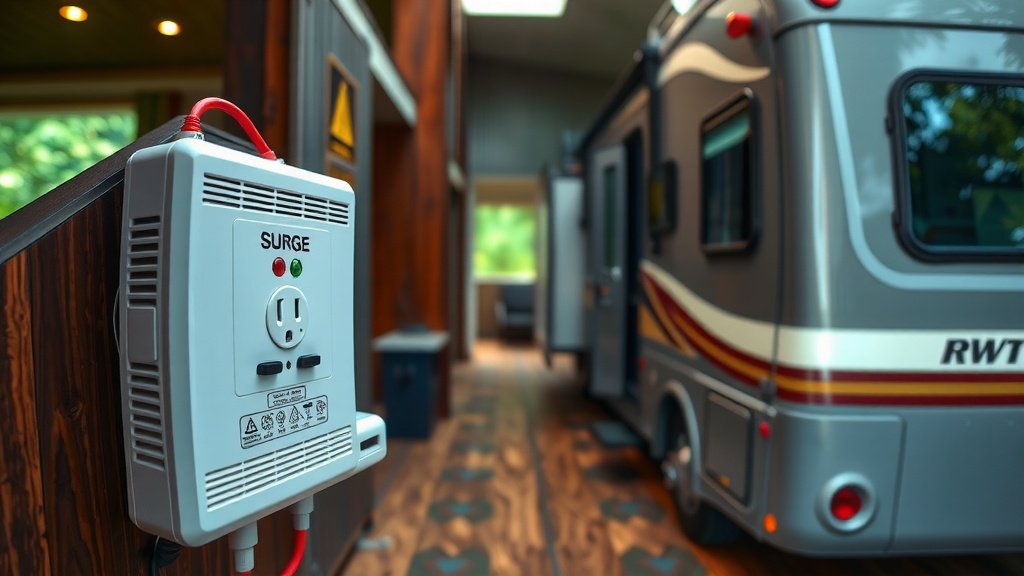
Portable units are the most popular choice for casual campers. You plug them directly into the campground pedestal. Then, you plug your RV cord into the device. It is a simple, straightforward setup that takes less than a minute.
We found that portables offer a big advantage: they protect against theft. You can lock them to the pedestal with a small cable, but you can also take them inside at night. This makes them a favorite for those who want flexibility and peace of mind without permanent installation.
Hardwired Surge Protectors: Set and Forget
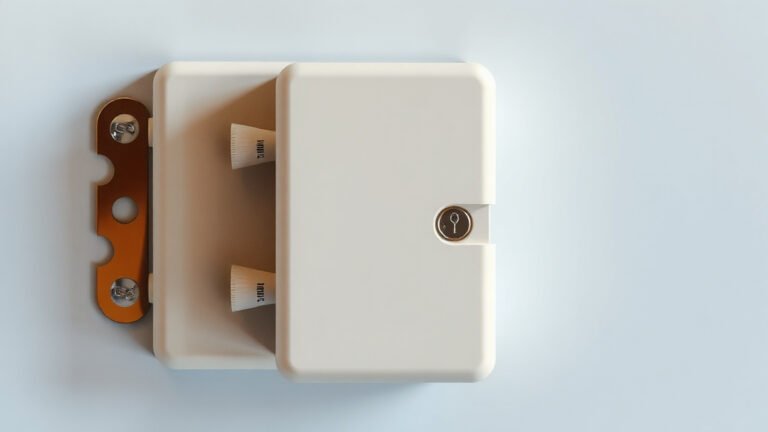
Hardwired units are installed inside your RV, usually near the breaker panel. They become a permanent part of your electrical system. We believe this is the best option for full-time RVers or those who want the cleanest setup possible.
With a hardwired model, there is nothing to forget or lose. You never have to worry about a thief walking off with your protection. These units often come with a remote display panel, so you can monitor the power quality from inside your rig. It is a slick, professional solution that adds real value to your RV.
Top RV Surge Protector Models We Recommend
After researching the market and analyzing owner feedback, we narrowed the field to two standout brands. Both offer excellent protection, but they have slightly different strengths. Here is a quick look at the leaders.
The Progressive Industries EMS-HW30C is our top pick for hardwired protection. It provides a full electrical management system, not just surge protection. We found that it monitors voltage, checks for reverse polarity, and even detects an open neutral. It is a complete safety net for your camper’s electronics.
| Feature | Progressive EMS-HW30C | Hughes Power Watchdog |
|---|---|---|
| Type | Hardwired | Portable |
| Surge Protection | Yes (Joules rating high) | Yes (with auto-shutoff) |
| Voltage Monitoring | Yes, with display | Yes, with Bluetooth |
| Fault Detection | Comprehensive | Comprehensive |
| Best For | Full-time and serious RVers | Tech-savvy users and portable needs |
We recommend the Hughes Power Watchdog if you prefer a portable unit. It has a built-in Bluetooth module. You can check your power status right from your phone. It also has a cool feature that counts down the days until the surge protector needs to be replaced. That is a handy reminder we haven’t seen elsewhere.
Why the Progressive EMS-HW30C Stands Out
We found that the Progressive model is the gold standard for hardwired protection. It doesn’t just stop spikes; it corrects issues. If the pedestal voltage drops too low, it shuts off power to protect your appliances. When the power stabilizes, it turns back on automatically. This feature alone can save your air conditioner from a costly burnout.
The remote display panel is easy to read. It shows you the exact voltage and amperage you are pulling. It also displays error codes if something is wrong with the pedestal. This makes troubleshooting a bad campsite connection much easier, and many experts say this is the most reliable unit on the market.
When to Consider the Hughes Power Watchdog
If you don’t want to modify your RV, the Hughes portable unit is a great choice. We found that its Bluetooth connectivity is a game-changer for monitoring. You can sit inside your air-conditioned rig and see the power quality without walking outside in the rain to check the display. That is a convenience we really appreciate.
It also offers a “hibernation” mode that saves battery power when not in use. The unit is rugged and well-built. It handles the elements well. We think it is the best portable option for the average family camper who wants solid protection with modern features.
Key Features That Actually Matter
Not all surge protectors are created equal. Some just block a quick spike, while others actively manage your power. We found that you should look for specific features to get the best value. Here are the features we think are worth your money.
First, look for voltage protection. This is different from surge protection. Surge protection handles a quick spike, like a lightning strike. Voltage protection handles a continuous low or high voltage situation, which is more common at campgrounds. This is a critical distinction that many buyers miss.
Surge Protection vs. Electrical Management
Think of a surge protector as a raincoat. It keeps you dry in a quick shower. Now, think of an electrical management system (EMS) as a full weatherproof suit. It handles rain, wind, and extreme cold. We found that an EMS is the better investment for RVers.
An EMS checks for wiring faults like reverse polarity or an open neutral. These are common issues at older campgrounds. A basic surge protector won’t catch these. This can lead to serious damage to your RV’s wiring. Spending a bit more on an EMS gives you much broader protection.
Joule Rating and Response Time
You will see a “joule rating” on every surge protector. This tells you how much energy it can absorb before it fails. We found that a higher rating is better. Look for a rating of at least 1,000 joules for an RV. Many top models offer 2,000 joules or more.
Response time is also important. This is how fast the unit reacts to a spike. You want a response time of less than one nanosecond. This ensures that the surge is stopped before it can reach your sensitive electronics. The units we recommend all meet this standard easily.
Installation Tips for Your New Protector
If you buy a portable unit, installation is easy. Plug it in, and you are done. However, if you choose a hardwired model, you might want to hire a professional. We found that electrical work requires caution. If you are not comfortable with wiring, it is best to let a certified RV technician do the job.
Safety first, always. You are dealing with 120-volt or 240-volt power. Mistakes can be dangerous. A professional install might cost a bit more, but it protects you and your warranty. It also ensures the job is done correctly the first time.
Tools and Safety Checks
If you decide to DIY, gather the right tools. You will need a screwdriver set, wire strippers, and a voltage tester. Always disconnect the shore power cord and turn off the battery disconnect switch before you start. We cannot stress this enough. Double-check that the power is off before you touch any wires.
After installation, test the unit. Plug into a known-good power source. The display should light up and show the correct voltage. If you see an error code, double-check your wiring connections. When everything reads normal, you are ready to hit the road with confidence.
Budgeting for RV Electrical Protection
Prices for RV surge protectors vary widely. You can find a basic surge-only plug for under $50. We found that these offer minimal protection. They are better than nothing, but they won’t help with voltage drops. A good portable EMS will cost between $200 and $350.
Hardwired units typically run from $300 to $500. That might seem like a lot, but consider the cost of replacing a converter or a refrigerator. Repairs can easily exceed $1,000. In that light, a quality surge protector is a smart, affordable insurance policy for your home on wheels.
Is a Cheaper Option Ever Okay?
If you are on a tight budget, we get it. Camping costs add up quickly. A basic surge protector is a decent start. However, we found that you will likely replace it as soon as you understand its limits. It is a temporary solution, not a long-term fix.
Think of it like buying tires. You can buy the cheapest ones, but they wear out faster and give a rougher ride. Spending a little more upfront for a quality product saves you headaches later. We believe the peace of mind is worth the investment.
Quick Checklist Before You Buy
We put together a simple checklist to guide your purchase. This will help you compare models easily and choose the right one for your needs. Print this out or save it on your phone.
- Determine your amperage: Check if you have a 30-amp or 50-amp cord.
- Choose your type: Decide between portable or hardwired installation.
- Verify joule rating: Aim for at least 1,000 joules for solid protection.
- Look for EMS features: Ensure it monitors voltage, not just surges.
- Check for a display: A screen or Bluetooth app helps you monitor power.
- Confirm the warranty: A longer warranty shows the manufacturer’s confidence.
Take your time with these steps. A little research now prevents a big headache later. We want you to enjoy your trips, not worry about your electrical system. A good surge protector is a key part of a stress-free camping experience.
We found that most campground pedestals are old and unreliable. They take a beating from weather and heavy use. Protecting your RV from this unpredictable power source is not just smart; it is essential. You have invested a lot in your rig and your family’s safety. A surge protector is a small price to pay for that security.
Conclusion
Choosing the best RV surge protector comes down to your camping style and your rig’s electrical setup. We recommend the Progressive Industries EMS-HW30C for hardwired protection and the Hughes Power Watchdog if you prefer a portable unit. Both offer the voltage monitoring and fault detection your RV really needs.
You already know the risks of plugging into unreliable campground pedestals. The most important step is to match the protector to your amperage, then decide between portable and hardwired. A full electrical management system beats a basic surge-only plug every time.
Your next step is simple. Check your shore power cord for the amperage rating, then pick a model that fits your budget and installation preference. Order one before your next trip. Your appliances will thank you, and you will camp with total peace of mind.
Frequently Asked Questions
Can a surge protector drain my RV battery?
No. A surge protector only works when you are plugged into shore power. It does not draw from your RV battery at all.
Portable units with Bluetooth features use a small internal battery for the app connection. But that is separate from your RV’s house batteries. You will not notice any drain.
How long does an RV surge protector last?
Most quality units last between 3 and 5 years with regular use. The surge protection components wear out over time as they absorb small spikes.
The Hughes Power Watchdog actually counts down the days until replacement. The Progressive model has a built-in indicator that tells you when the protection is no longer working. You should replace the unit when either alert appears.
Do I still need a surge protector if my RV is brand new?
Yes, absolutely. New RVs have sensitive electronic components in the converter, refrigerator, and entertainment systems. They are just as vulnerable to power spikes as older models.
You have no control over the wiring at a campground pedestal. Even a brand-new rig can suffer serious damage from a faulty connection. Protection is essential from day one.
Can I use a 50-amp surge protector on a 30-amp RV?
No, you cannot use a 50-amp unit on a 30-amp RV directly. The plugs are physically different sizes and will not fit.
You can use a 30-amp protector with a 50-amp adapter in some cases, but the protection works differently. It is best to match the unit exactly to your RV’s shore power cord. This avoids confusion and ensures you get complete protection.
What happens when the surge protector detects a problem?
Most quality units will automatically shut off power to your RV. This protects your appliances from damage while the issue is happening.
Once the power stabilizes and returns to a safe range, the unit will restore power automatically. The display screen will show the error code so you know what was wrong. This lets you decide whether the pedestal is safe to use or if you need to move sites.