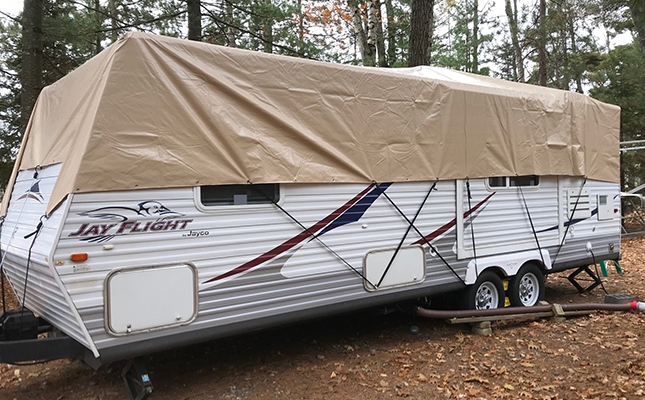
How to Tarp a RV Roof: Expert Tips & Tricks
Do you have an RV? It’s important to keep it safe. The roof is a key part. Weather can harm it. Rain, snow, and sun can cause damage. Tarps help protect RV roofs. Let’s learn how to tarp your RV roof.
Why Tarp an RV Roof?
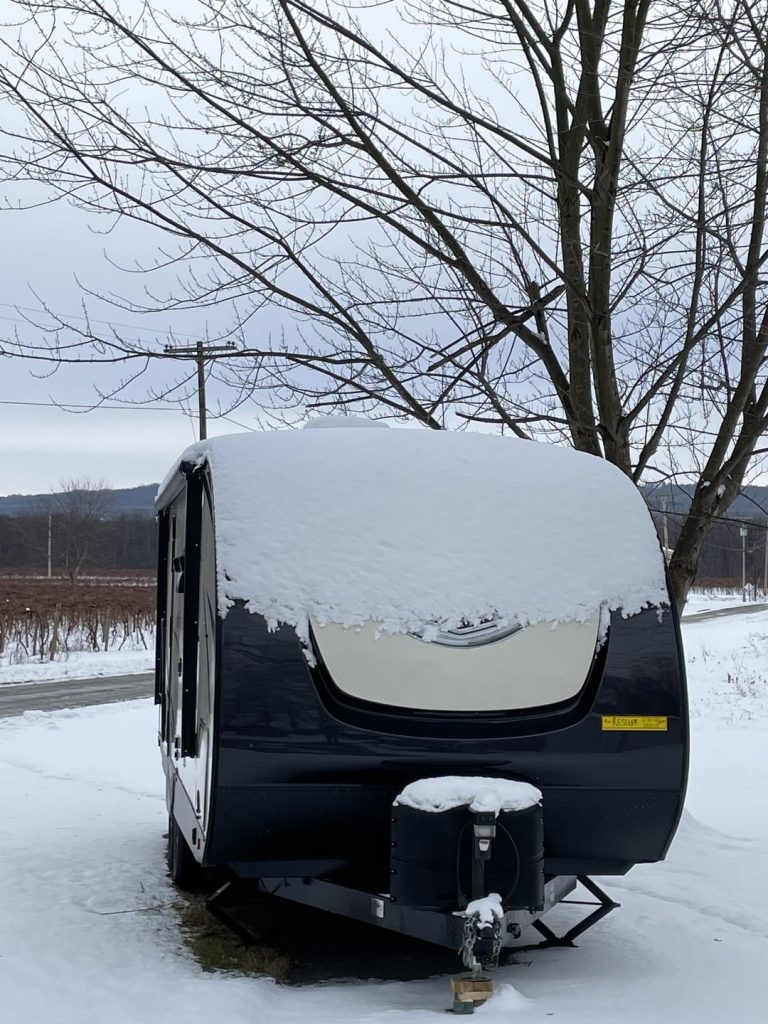
RV roofs face many challenges. Water can leak inside. Sun can make the roof weak. Snow can add heavy weight. Tarps can help. They keep the RV safe from these problems. Using a tarp is a smart choice.
Choosing the Right Tarp
Not all tarps are the same. Some are strong, and some are light. You need a tarp that fits your RV. Measure your RV roof. Check the size of the tarp. Make sure it covers the entire roof.
Types Of Tarps
- Plastic Tarps: These are cheap. They are not very strong.
- Vinyl Tarps: These are stronger. They last longer.
- Polyethylene Tarps: These are waterproof. They are good for rain.
Choose a tarp that fits your needs. A waterproof tarp is often a good choice.
Preparing to Tarp Your RV Roof
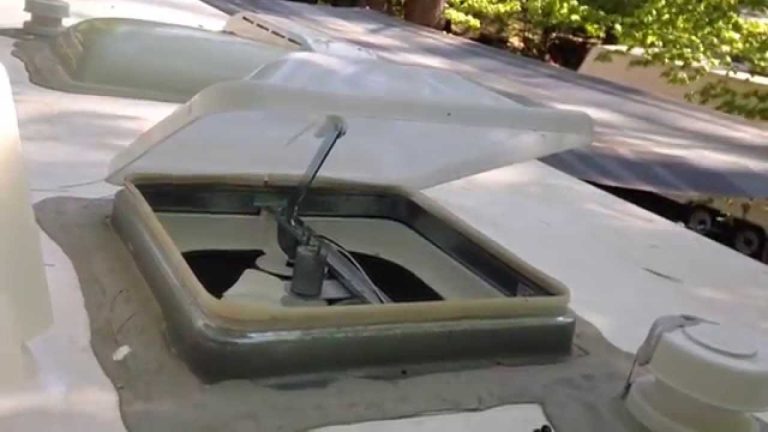
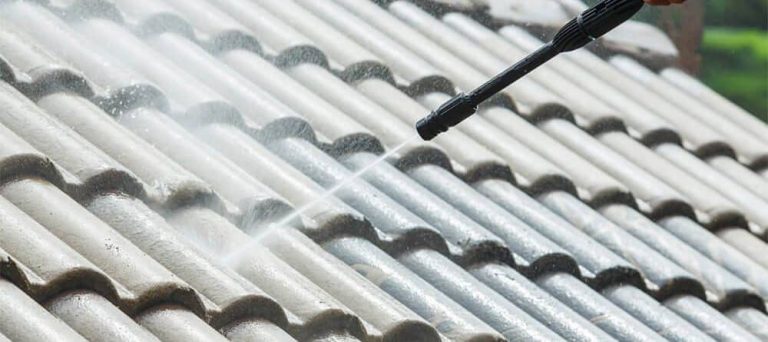
Before tarping, clean the roof. Remove dirt and leaves. Check for damage. Fix any leaks or cracks. This makes sure the tarp works well.
Tools You Need
- Tarp
- Ladder
- Bungee cords
- Rope
- Gloves
Gather these tools. They will help you tarp your RV roof safely.
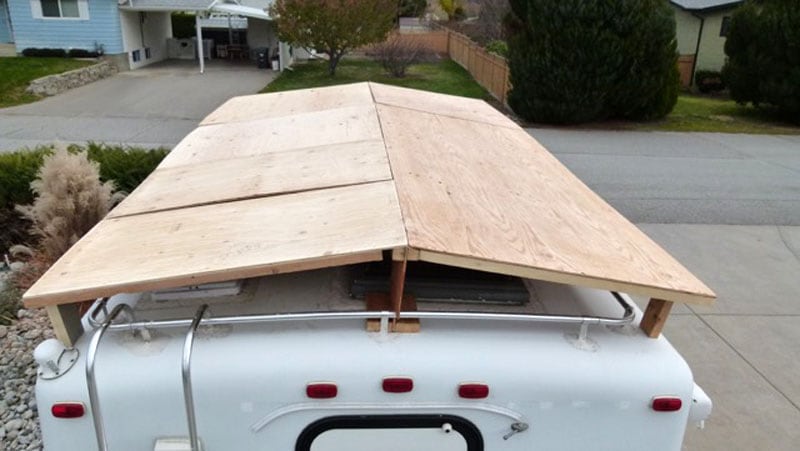
Credit: www.truckcampermagazine.com
Steps to Tarp an RV Roof
Let’s start tarping. Follow these steps:
Step 1: Position The Ladder
Put the ladder next to the RV. Make sure it’s stable. Safety is important. Do not rush.
Step 2: Unfold The Tarp
Open the tarp. Spread it out on the ground. Make sure there are no knots.
Step 3: Place The Tarp On The Roof
Climb the ladder carefully. Carry the tarp up. Spread the tarp over the roof. Cover the entire area.
Step 4: Secure The Tarp
Use bungee cords and rope. Tie the tarp to the RV. Make sure it’s tight. Wind should not move it.
Step 5: Check The Tarp
Look for gaps. Ensure the tarp covers the roof well. Adjust if needed.
Maintenance Tips
Check the tarp often. Look for tears or holes. Fix any problems quickly. A well-kept tarp lasts longer.
Regular Checks
- Look for dirt and leaves.
- Check for water pooling.
- Ensure ropes are tight.
Do these checks every month. This keeps the tarp in good condition.
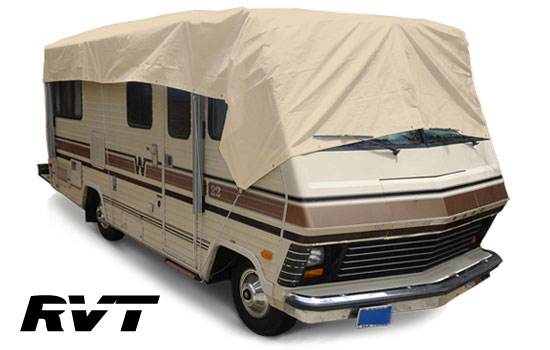
Credit: www.nationalrvcovers.com
Benefits of Tarping Your RV Roof
Tarping your RV roof has many benefits. It protects from rain. It saves from sun damage. It prevents snow weight. Your RV lasts longer. You save money on repairs.
Added Benefits
- Easy to remove.
- Simple to clean.
- Affordable protection.
These benefits make tarping a smart choice for RV owners.
Common Mistakes
Avoid these mistakes:
- Choosing the wrong size tarp.
- Not securing the tarp well.
- Ignoring regular checks.
These can lead to problems. Be careful and attentive.
Frequently Asked Questions
How Do I Choose The Right Tarp For My Rv Roof?
Select a tarp that is waterproof and UV-resistant. Measure your RV roof to ensure proper fit.
Can I Tarp My Rv Roof By Myself?
Yes, but it’s safer with help. Secure the tarp evenly to prevent damage or accidents.
What Are Common Mistakes When Tarping An Rv Roof?
Using the wrong size tarp. Not securing it tightly. These can lead to water leaks or wind damage.
How Often Should I Check My Tarp?
Check monthly for wear and tear. Ensure it’s still secure and free of any holes or damage.
Why Is Tarping An Rv Roof Important?
It protects from weather damage, UV rays, and debris. Prolongs the lifespan of your RV roof.
What Tools Do I Need To Tarp An Rv Roof?
You need a ladder, bungee cords, and a suitable tarp. Ensure you have everything ready before starting.
Conclusion
Protecting your RV roof is essential. Tarps are a great solution. They offer safety from weather. Follow these steps to tarp your RV roof. Choose the right tarp. Secure it properly. Check it regularly. Enjoy peace of mind with a protected RV.
Remember, a well-tarped RV roof lasts longer. You can travel with confidence. Your RV stays in great condition. Happy travels!