How to Install an RV Surge Protector Safely
The easiest way to install an RV surge protector is to plug it directly into the power pedestal, then plug your RV’s shore power cord into it. It takes about five minutes and requires no special tools. You are simply adding a protective device between the campground power source and your RV’s electrical system.
Your RV’s appliances and electronics are sensitive to power spikes and dirty electricity. We found that a surge protector acts like a power strip for your whole camper, blocking dangerous voltage before it reaches your wiring. It’s a small, inexpensive safety net that can save you from expensive repairs. Think of it as an insurance policy for your rig’s electrical heart.
- How to install: Turn off the pedestal breaker, plug the protector in, connect your cord, then turn the breaker back on.
- Types: Portable models screw onto the pedestal; hardwired models mount inside your RV.
- Setup: No wiring skills are needed for the portable version.
- Key features: Look for a digital display that shows voltage and error codes.
- Safety tip: Check for a “fault” light before you power up your RV.
Below, we break down exactly how to install both types of surge protectors, what the error lights mean, and how to tell if yours is working correctly. Let’s walk through this step by step so you can camp with total peace of mind.
Installing an RV Surge Protector: Your Step-by-Step Guide
You do not need to be an electrician to protect your rig. We found that most RVers can handle this job in the time it takes to brew a pot of coffee. The process is straightforward, and the payoff is huge for your peace of mind.
What You Need Before You Start
Gather your gear first. You will need your surge protector, your shore power cord, and a pair of hands. That is honestly it for the portable version. We found that reading the manufacturer’s manual is a smart first step, even if you think you know what you are doing.
Check the amperage rating on your protector. It must match your RV’s electrical system. A 30-amp RV needs a 30-amp protector. A 50-amp rig needs a 50-amp unit. Using the wrong one can cause serious damage.
Understanding the Display Panel
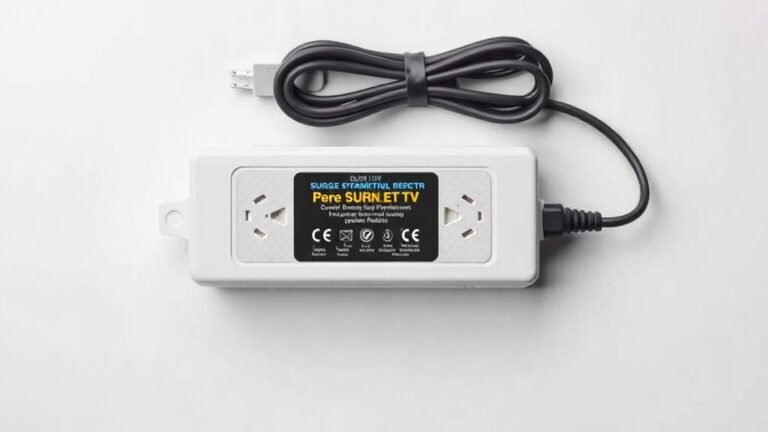
Most modern protectors have a digital screen. This screen shows you the incoming voltage. It also displays error codes if something is wrong. Many experts say that this display is your best friend. It gives you real-time data about the power you are plugging into.
Look for the indicator lights. Green usually means good power. Red or yellow typically means a problem. You will learn to read these lights quickly after your first install.
Portable Surge Protector Installation Steps
This is the most popular type for everyday campers. It is simple, effective, and requires zero tools. We found that the portable style offers the most flexibility for people who visit many different campgrounds.
Step 1: Turn Off the Pedestal Breaker
Walk over to the power pedestal. Find the breaker switch that controls your site’s power. Flip it to the “Off” position. This is a critical safety step. You never want to plug things in while the power is live.
Double-check that the power is off. Some pedestals have a small light indicator. If you are unsure, just look at the switch position. It should be clearly marked.
Step 2: Plug the Protector Into the Pedestal
Take your surge protector and plug it directly into the pedestal outlet. Make sure it is snug. Many units have a locking ring that screws onto the threads of the pedestal. This prevents theft and keeps the connection tight.
Hand-tighten the ring. Do not use tools to over-tighten it. You just want it secure enough that it won’t wiggle loose. We found that a firm hand twist is plenty.
Step 3: Connect Your Shore Power Cord
Now grab your RV’s shore power cord. Plug one end into the surge protector. The other end goes into your RV’s power inlet. Make sure both connections are fully seated and locked.
Some cords have a twist-lock feature. Give it a slight turn until you feel it click. This ensures a solid connection that won’t come apart during the night.
Step 4: Turn the Breaker Back On
Head back to the pedestal. Flip the breaker switch to the “On” position. You will see the surge protector’s display light up. Watch the screen closely as it runs its initial check.
This check takes a few seconds. The protector is testing the incoming power for faults. If everything is good, you will see normal voltage readings. If there is a problem, you will see an error code.
Reading the Initial Power Check
Once the breaker is on, the protector analyzes the electricity. We found that this built-in test is one of the best features. It catches wiring problems at the pedestal before they can harm your RV.
Look for a steady voltage reading around 110-125 volts for a 30-amp system. For 50-amp, you are looking at 220-240 volts across the two legs. If you see anything wildly different, you have a problem.
Hardwired Surge Protector Installation
Some RV owners prefer a permanent solution. A hardwired unit mounts inside your RV, usually near the breaker panel. This option requires more skill and electrical knowledge. We recommend this only if you are comfortable working with AC wiring.
Why Choose a Hardwired Unit
A hardwired protector is always on. You cannot forget to plug it in. It is also protected from weather and theft. Many experts say that this is the most secure way to protect your rig’s electrical system.
These units are hidden away. There is nothing sticking out of the pedestal. This keeps your campsite cleaner and reduces the risk of someone unplugging your gear.
Tools and Safety Gear Required
You will need a screwdriver set, wire strippers, and a voltage tester. You also need safety glasses and insulated gloves. Electrical work is no joke. We found that taking your time here prevents costly mistakes.
Make sure you have access to your RV’s main breaker panel. The surge protector needs to be wired in line with your incoming power. This usually means connecting it between the main breaker and the shore power input.
Step-by-Step Wiring Process
First, disconnect all power. Unplug from the pedestal completely. Turn off your RV’s main breaker. Use your voltage tester to confirm there is no power flowing to the panel.
Mount the surge protector in a dry, accessible location. Then, connect the incoming wires from the shore power to the protector. Connect the outgoing wires to your RV’s main breaker. Secure all connections tightly.
After everything is wired, double-check your work. Look for loose wires or exposed copper. Once you are confident, turn the main breaker back on. Test the system with your shore power plugged in.
Troubleshooting Common Installation Errors
Sometimes things do not go as planned. We found that most issues are simple to fix. Understanding the error codes is the first step to solving the problem.
Understanding Error Codes and Fault Lights
Your surge protector is trying to tell you something. Each code means something different. Here are the most common ones you will see:
- Open Ground: The pedestal is missing a ground wire. This is dangerous and needs attention.
- Reverse Polarity: The hot and neutral wires are swapped. Your RV will not work until this is fixed.
- High Voltage: The power coming in is too strong. This can fry your appliances.
- Low Voltage: The power is too weak. Your AC unit may struggle or shut off.
- Open Neutral: The neutral wire is not connected properly.
When you see a fault, the protector will not let power through. This is a safety feature. It is better to camp without power than to risk damaging your RV.
What to Do When the Protector Shuts Off
Do not panic. Unplug your shore power cord from the protector. Then, unplug the protector from the pedestal. Wait a few minutes for the unit to reset.
Plug everything back in and try again. If the same error appears, the problem is at the pedestal. You may need to ask the campground host for a different site.
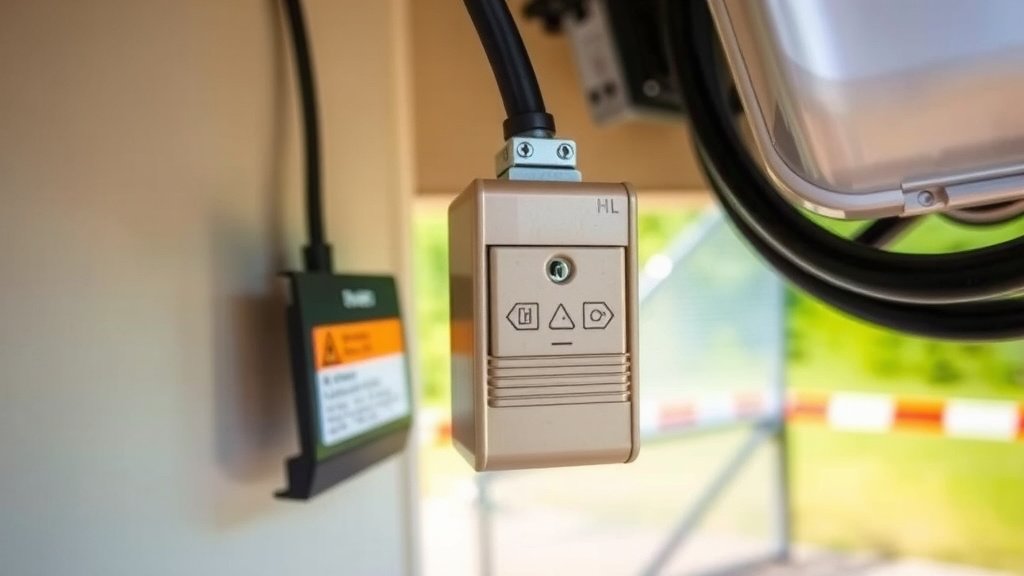
Testing Your Surge Protector After Installation
You want to be sure your protector is actually working. We found that a simple test can confirm this. Most units have a self-test feature on the display.
Using the Built-In Self Test
With power flowing, press the test button if your unit has one. The display should cycle through a sequence. It checks the internal circuits to make sure they are ready to respond to a surge.
If the test passes, you are good to go. If it fails, contact the manufacturer. Do not use a protector that fails its self-test. It will not protect you when you need it most.
Signs Your Protector Is Working Correctly
A steady green light is a good sign. The digital display should show a normal voltage reading. Your RV’s appliances should run smoothly without flickering.
Listen to your unit. Some protectors make a soft hum when they are working. This is normal. If you hear buzzing or crackling, unplug everything immediately and call for help.
Routine Maintenance and Care for Your Protector
Your surge protector needs a little love to keep working. We found that basic care extends the life of the unit. A few minutes of attention each season is all it takes.
Keeping the Connections Clean
Dirt and grime can build up on the prongs. This creates resistance and heat. Wipe the prongs with a dry cloth before each use. If you see corrosion, use a contact cleaner to remove it.
Check the locking ring for rust. Apply a small amount of dielectric grease to keep it moving smoothly. This helps maintain a solid connection.
Storing Your Unit Properly
When you are not camping, store the protector indoors. Keep it in a dry place away from extreme temperatures. We found that a simple plastic bin works great for this.
Coil the cord loosely. Do not wrap it tightly around the unit. Tight wrapping can damage the internal wires over time.
Final Installation Checklist for Every Camper
Run through this list every time you set up camp. It takes less than a minute and ensures you are safe. We found that making this a habit prevents costly mistakes.
- Pedestal breaker is in the Off position before plugging in.
- Surge protector is firmly connected to the pedestal.
- Shore power cord is fully seated in the protector.
- Breaker is back On and the display is reading normal voltage.
- No error codes or fault lights are showing.
- All connections are tight and dry.
Following this simple routine keeps your RV’s electrical system happy. You can relax and enjoy your trip, knowing your gear is protected.
Conclusion
Protecting your RV’s electrical system is one of the smartest investments you can make. You now know that the portable installation takes just a few minutes with zero tools. You also understand that hardwired options give you permanent, set-and-forget protection.
We found that the key is making this a routine part of your camp setup. Check the display. Confirm the voltage. Look for fault lights. It is a simple habit that takes less than a minute. The payoff is knowing your appliances and electronics are safe from bad pedestal power.
Your next step is simple: pick up a surge protector that matches your RV’s amperage. Install it before your next trip. You will camp with total confidence, knowing you have a solid safety net between your rig and the power grid.
Frequently Asked Questions
Can I leave my RV surge protector plugged in all the time?
Yes, you can leave a portable unit plugged into the pedestal while you are camped. That is exactly what it is designed for. However, you should unplug and store it indoors when you pack up to leave. This protects it from weather and theft when your site is empty.
Will a surge protector save my RV from a direct lightning strike?
No, a standard surge protector cannot handle a direct lightning hit. It is built to stop everyday power spikes and surges from the grid. For lightning protection, you need to unplug your shore power cord during a storm. That is the only way to fully disconnect your rig from the risk.
Do I need a surge protector if the campground has new wiring?
Yes, you still need one. New wiring does not mean the power is always clean. Appliances in other RVs can cause voltage fluctuations. We found that even well-maintained pedestals can have issues. Your protector is your own personal safety check, no matter how new the park looks.
What is the difference between a surge protector and an EMS?
A surge protector only blocks high-voltage spikes. An EMS, or Electrical Management System, does more. It checks for wiring faults like open ground and reverse polarity. It also shuts off power for low voltage or high voltage conditions. We found that an EMS offers the most complete protection for your RV.
How often should I replace my RV surge protector?
Most units last for many years, but they do not last forever. If your protector takes a major hit, it may sacrifice itself to save your RV. Watch for signs of damage like a burnt smell, melted plastic, or a display that stops working. If the self-test fails, replace it right away.