EMS vs Surge Protector for RV: What’s the Difference
For your RV, you need an EMS (Electrical Management System), not just a surge protector. A surge protector only guards against power spikes, but an EMS protects your rig from many more problems, like low voltage, bad wiring, and reversed polarity. We found that an EMS is the better investment to keep your camper’s electrical system safe and sound.
Think of it like this: a surge protector is a simple helmet, but an EMS is a full suit of armor. Since RVs are plugged into unknown power sources at campgrounds, you are exposed to inconsistent electricity. Many experts say that the majority of RV electrical damage comes from issues like low voltage or open grounds, not just sudden surges. This is why a smart EMS is the top choice for most campers.
TL;DR
- An EMS protects against surges plus low/high voltage, frequency issues, and wiring faults.
- A basic surge protector only handles sudden spikes in power, which are rare.
- Low voltage, or “brownouts,” is a common campground issue that an EMS catches and prevents.
- An EMS often includes a digital display to show you the incoming power quality.
- For full protection, an EMS is the best way to protect your RV’s appliances and electronics.
Below, we break down the exact differences, what each device does, and how to choose the right one for your camping style.
Choosing the Right Power Protection for Your Camper
When you plug your RV into a campground pedestal, you are trusting someone else’s wiring. That is a big deal. We found that most RV owners don’t think about power quality until something stops working. By then, the damage is already done.
You have two main choices for protecting your rig: a surge protector or an EMS. The names sound similar, but they do very different jobs. Let’s look at what each one actually does for you.
What a Surge Protector Does (and What It Misses)
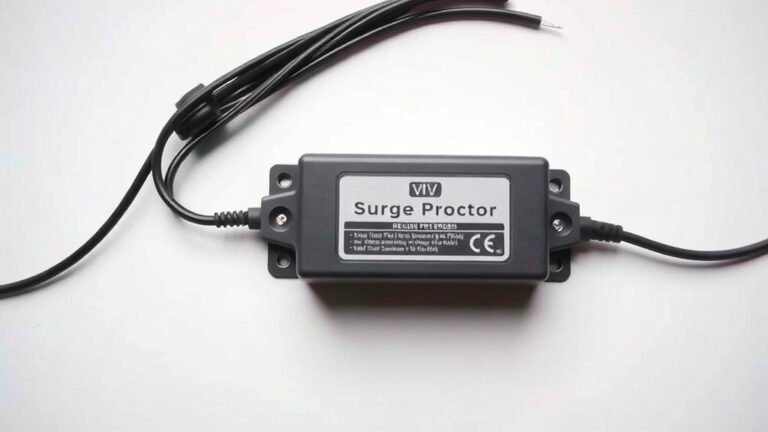
A surge protector is a simple device. It watches for sudden spikes in voltage. Think of a lightning strike nearby or a utility company switching grids. That spike can fry your microwave or TV in a split second.
The surge protector acts like a fuse. It absorbs that extra energy and shuts off the power to save your appliances. This is a good thing to have. But it only solves one problem.
Here is the catch. Surges are rare. They cause maybe 5 percent of RV electrical failures. That means 95 percent of the time, your surge protector is just sitting there doing nothing. It cannot help you with the problems that actually hurt most RVs.
We found that many campers buy a surge protector thinking they are fully protected. Then they wonder why their air conditioner struggles or their battery charger dies. A surge protector simply cannot see those issues coming.
Why Surges Are Not Your Biggest Enemy
Most campgrounds have old wiring. They deal with weather, wear, and heavy use. This creates ongoing electrical problems, not sudden spikes. Your surge protector ignores these constant issues because they are not surges.
Think of it like wearing a raincoat in a flood. The raincoat helps with light rain, but it does nothing when the water rises to your waist. You need a different tool for that situation. The same logic applies to your RV’s electrical system.
What an EMS Actually Does for You
An EMS, or Electrical Management System, is a smarter device. It monitors the incoming power constantly. It checks for voltage levels, frequency, wiring errors, and ground faults. If something is wrong, it cuts the power before it reaches your RV.
We found that an EMS is like a guard dog for your electrical system. It sniffs out problems before they bite you. It doesn’t just react to spikes. It looks at the whole picture of power quality.
Many guidelines point out that low voltage is a common campground issue (National Electrical Code standards). When the power drops, your air conditioner motor works harder. It draws more current. That can overheat the motor and burn it out. An EMS catches this low voltage and shuts things down until the power stabilizes.
The Real Danger: Low Voltage and Bad Wiring
Low voltage, or a brownout, is the silent killer of RV appliances. You might not notice it. The lights look slightly dimmer. The fan sounds a bit slower. But inside your AC compressor, the motor is fighting to run. That struggle creates heat. Heat destroys motors.
An EMS also checks for open grounds and reversed polarity. These wiring mistakes can shock you or damage your electronics. A surge protector has no idea these problems exist. It only watches for voltage spikes, nothing else.
Key Differences Between an EMS and a Surge Protector
Now that you know the basics, let’s compare them side by side. This will help you see exactly where the money goes. We found that the price difference makes sense when you look at the features.
| Feature | Surge Protector | EMS |
|---|---|---|
| Surge protection | Yes | Yes |
| Low voltage protection | No | Yes |
| High voltage protection | No | Yes |
| Open ground detection | No | Yes |
| Reversed polarity detection | No | Yes |
| Frequency monitoring | No | Yes |
| Digital display | Usually no | Yes |
| Cost range | $50 – $150 | $200 – $500 |
The table shows a clear picture. A surge protector handles one issue. An EMS handles nearly every power problem you might face. When you consider the cost of replacing an AC unit or a refrigerator, the EMS pays for itself quickly.
What Does an EMS Display Tell You?
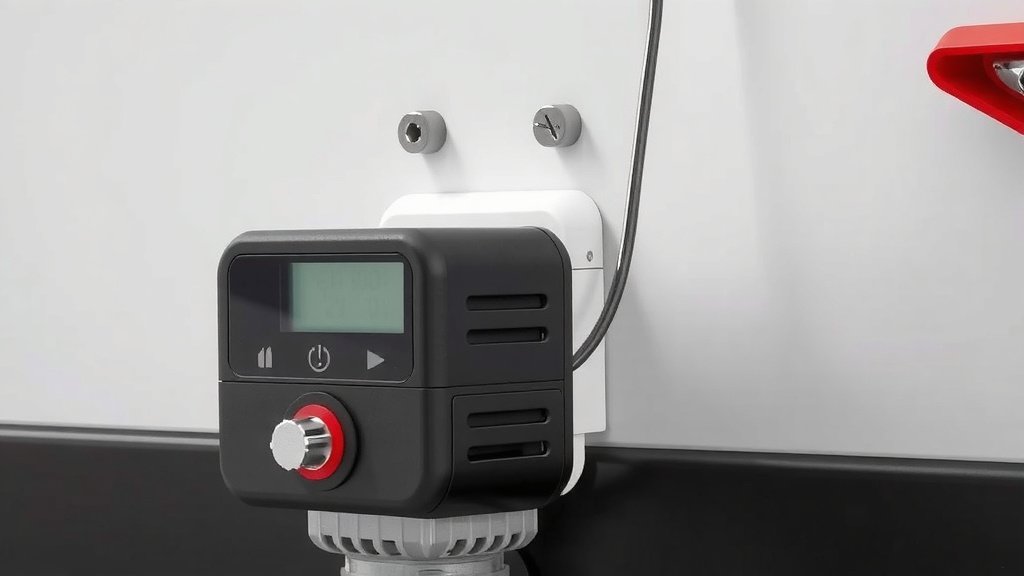
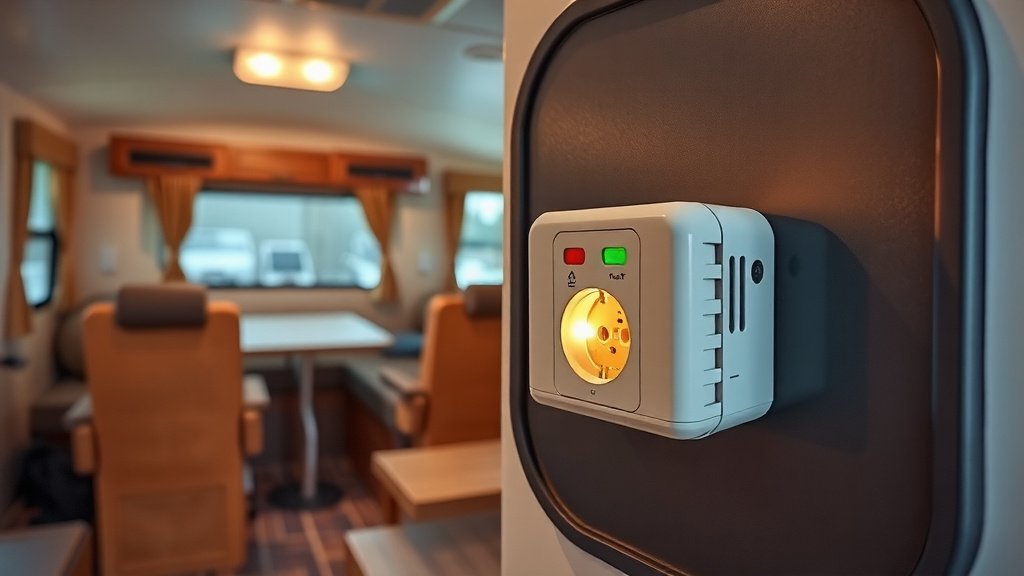
Most EMS units come with a small digital screen. This screen shows you the voltage, amperage, and any error codes. You can see at a glance if the power is clean or if there is a problem. This is a huge benefit for peace of mind.
We found that campers love this feature. Instead of guessing if the power is okay, you just look at the screen. It takes the mystery out of hooking up at a new site. You know immediately if the pedestal is safe to use.
Some units even let you bypass the protection if you want. That is not recommended, but the option exists. For the most part, you just plug in, read the screen, and relax.
Why an EMS Is the Smarter Investment
Let’s talk money for a second. A basic surge protector costs around 50 to 150 dollars. A good EMS costs between 200 and 500 dollars. That price gap makes some people hesitate. But think about what you are protecting.
Your RV’s electrical system is expensive. An air conditioner costs 800 to 1,500 dollars to replace. A refrigerator runs 500 to 1,200 dollars. Your converter and inverter are also pricey. One bad power event can cost you more than the price of a top-tier EMS.
We found that the math is simple. Pay a little now to save a lot later. It is like buying good tires for your truck. You do not wait until you have a blowout to wish you had spent the money.
The Hidden Costs of Power Problems
There is more to consider than just replacing broken parts. When your appliances fail, you also lose time. You lose camping days while you wait for repairs. You might have to cut a trip short. That is a real cost that does not show up on a receipt.
Power problems can also cause damage slowly over time. A slightly low voltage might not kill your AC right away. But it stresses the system every single day. Over a season, that stress adds up. The motor wears out faster than it should.
An EMS prevents that slow burn. It keeps your appliances running within their safe range. This extends their lifespan. That means fewer repairs and more years of service from your equipment.
Choosing the Right EMS for Your Camping Style
Not all EMS units are the same. You have to pick one that fits how you camp. There are portable units and hardwired units. Each has its own benefits. Let’s break down the options so you can decide.
Portable EMS Units
A portable EMS plugs into the pedestal first. Then you plug your RV cord into the EMS. It hangs off the power post. This is easy to install and move between RVs. Many campers prefer this because it is simple to use.
The downside is that it sits outside. It is exposed to weather and theft. Some units come with a locking bracket to help with security. You also have to remember to pack it when you leave. Since portable units sit outside, you may wonder if RV surge protectors waterproof—our guide explains the ratings you need.
We found that portable units are great for people who camp in different locations. You can use it on any RV. If you upgrade your camper, the EMS comes with you. That flexibility is a big plus.
Hardwired EMS Units
A hardwired EMS is installed inside your RV. It becomes part of your electrical system. You never have to think about it. It is always there, protecting your rig. This is a permanent solution.
The installation takes some work. You need to mount the unit and connect it to your power line. Many people hire a professional for this. It is not a hard job, but it does require some electrical knowledge.
Hardwired units are protected from weather and theft. They are always ready to go. You do not have to set anything up when you arrive at a campsite. This is a clean and convenient option.
Which One Should You Pick?
If you want simplicity and flexibility, go portable. If you want a permanent setup, go hardwired. Both work well. It comes down to your personal preference. We found that many first-time buyers start with portable and later switch to hardwired.
How to Install and Use Your EMS
Using an EMS is not complicated. But you should know what to expect. This is not a set-it-and-forget-it device. You need to check the display when you plug in. That is your first line of defense.
Step-by-Step Hookup Process
Here is what happens when you arrive at a campsite with an EMS. First, plug the EMS into the pedestal. If you have a portable unit, the screen will light up. It will show you the voltage and check for errors. Wait a few seconds for it to complete its checks.
If everything is fine, the unit will allow power to flow. You can then plug your RV cord into the EMS. If there is a problem, the unit will show an error code. It will not let power through until the issue is resolved.
This process takes about 30 seconds. It is quick and gives you total peace of mind. You know the power is safe before you even turn on your lights.
Common Error Codes and What They Mean
Every EMS has a set of error codes. They are usually displayed as letters or numbers. You should read the manual that comes with your unit. But here are some common ones you will see.
- Open ground: The pedestal is missing a ground wire. This is a safety hazard.
- Reversed polarity: The hot and neutral wires are swapped. This can damage your electronics.
- Low voltage: The power is below safe levels. Your appliances are at risk.
- High voltage: The power is above safe levels. This can fry your equipment.
- Frequency error: The power cycles at the wrong speed. This is rare but serious.
When you see an error, do not ignore it. Try a different pedestal if available. If all pedestals have issues, the campground wiring is bad. That is a bigger problem you cannot fix.
Protecting Your RV Without Breaking the Bank
We get it. You already spent a lot of money on your RV and your camping gear. Adding another 300 dollars for an EMS might feel like too much. But consider this a necessary tool, not an optional accessory.
Many experts say that the majority of RV electrical damage comes from issues like low voltage or open grounds. These are not surges. They are everyday problems at campgrounds across the country. A surge protector cannot help you with these.
If you are on a tight budget, look for a used EMS or a previous model year. You can often find good deals online. Just make sure it works and comes with the right plugs for your RV. The protection is worth the effort.
Quick Checklist Before You Buy
Before you click that buy button, run through this list. It will help you avoid common mistakes. We found that a little planning goes a long way.
- Check your RV’s power cord type. Do you have a 30-amp or 50-amp plug?
- Decide between portable or hardwired based on your comfort level.
- Look for a unit with a clear digital display for easy reading.
- Make sure the EMS has a surge protector built in. Most do.
- Read reviews from other RV owners to see real-world performance.
- Compare prices across brands. The features are similar, but prices vary.
Taking a few minutes to plan will save you from buying the wrong thing. You want a device that fits your setup perfectly. That is the best way to get full protection.
Final Thoughts on Power Protection
Your RV is your home away from home. It holds your family, your food,
Conclusion
You now know the difference. A surge protector handles one rare problem. An EMS handles almost every power issue you will face at a campground. We found that low voltage and bad wiring are the real threats to your RV. Those problems damage appliances slowly, and a basic surge protector cannot stop them.
Spending a little more on an EMS is the smart move. It protects your AC, refrigerator, and electronics. It also shows you exactly what is happening with the power. That peace of mind is worth the extra cost.
Your next step is simple. Check your RV’s plug type and pick a portable or hardwired EMS that fits your setup. Do this before your next trip, and you will camp with confidence.
Frequently Asked Questions
Can I use both a surge protector and an EMS together?
You do not need to. Every EMS already includes surge protection built in. Adding a separate surge protector in line would be redundant. You get full protection from one quality EMS unit.
Will an EMS stop my RV from tripping the campground breaker?
No, an EMS cannot prevent a campground breaker from tripping. That happens when you draw too much power for the pedestal rating. The EMS protects your RV from bad power, but it does not increase your available amperage. You still need to manage your usage wisely.
How long does an EMS last before it needs replacing?
A quality EMS should last for many years, often a decade or more. The surge protection component does wear down over time after absorbing spikes. Most units will let you know when the protection is no longer working. Check your manual for the expected lifespan.
Is a cheaper EMS just as good as an expensive one?
You generally get what you pay for. Cheaper units may have fewer features or a less reliable build. We found that mid-range and premium units from trusted brands offer better accuracy and durability. Read reviews and stick with well-known manufacturers for the best results.
Do I need an EMS if I only camp at full-hookup resorts?
Yes, you still need protection. Even nice resorts can have wiring problems or suffer from brownouts during peak season. The power grid is not perfect anywhere. We found that electrical issues happen at all types of campgrounds, so protection is always a good idea.