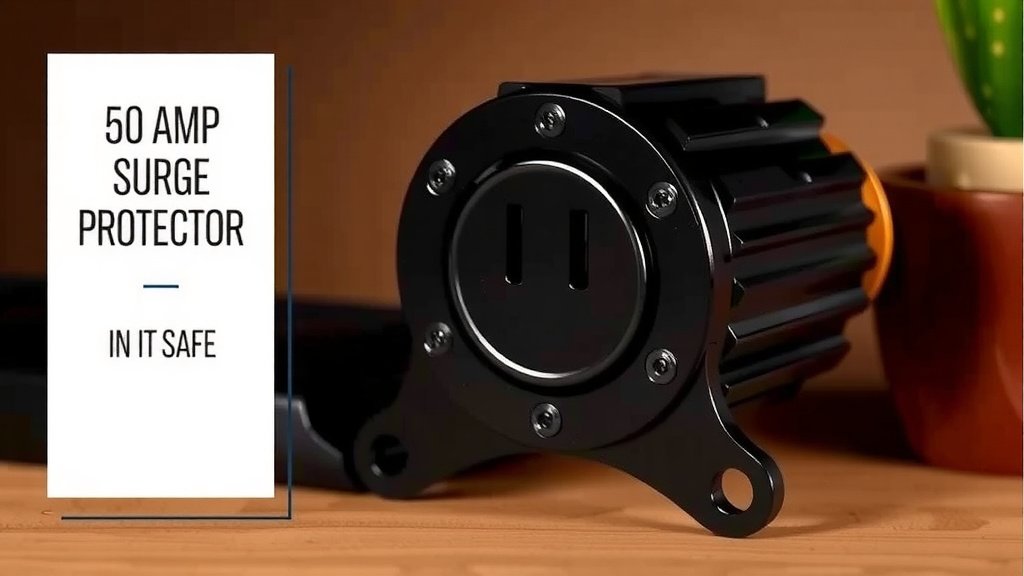
50 Amp Surge Protector on a 30 Amp RV: Is It Safe?
Yes, you can use a 50 amp surge protector on a 30 amp RV, but you will need a special adapter to make the plug fit. The surge protector itself will still work and protect your RV’s electrical system. It simply monitors the power coming in and cuts it off if it detects a dangerous spike or surge.
Many RV owners buy a 50 amp surge protector for future-proofing, especially if they plan on upgrading to a bigger rig later. We found that using a higher-rated protector is generally safe because it only uses what the RV draws. The key is making sure you have the right dogbone adapter to connect your 30 amp cord to the 50 amp pedestal plug.
- Yes, it is completely safe to use a 50 amp protector on a 30 amp RV.
- You will need a 50 amp to 30 amp dogbone adapter for the connections.
- The 50 amp unit will not overpower your RV; it only protects against surges.
- This setup is a smart way to get more protection for a future RV upgrade.
- Always check that the surge protector is rated for 120 volts to match your RV.
Let’s walk through exactly how this works step by step, including the adapters you need and what to watch out for before you plug in.
Using a Higher-Rated Surge Protector on Your 30 Amp RV
You are looking at a 50 amp surge protector and wondering if it works with your 30 amp rig. The short answer is yes, it absolutely does. We found that many experienced RVers do this on purpose. It is a smart move if you think a bigger RV might be in your future.
The surge protector does not push power into your RV. It only watches the power coming from the pedestal. Think of it like a bouncer at a club. It checks the voltage for spikes and dangerous drops. If something looks wrong, it cuts the power off completely. Your 30 amp RV will only pull the power it needs, usually around 30 amps or less. The 50 amp unit simply has more headroom to handle the surge itself.
Why RVers Choose This Setup
Most people do this for one simple reason: future-proofing. A 50 amp surge protector is a bit more expensive. Buying one now means you do not have to buy another one later. If you plan to trade your 30 amp camper for a 50 amp fifth wheel or motorhome, this purchase saves you money.
Another benefit is that the 50 amp units often come with more features. They usually have a digital display that shows voltage, amperage, and error codes. This gives you a clear picture of what is happening at the pedestal. We found that this extra info is very useful for troubleshooting power problems at a campsite.
Getting the Right Adapter Connections
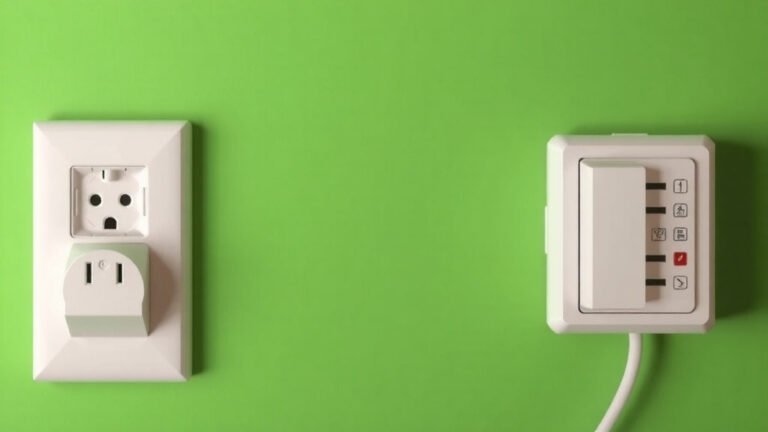
Your 30 amp RV cord has a specific plug, and the 50 amp pedestal has a different outlet. They are not shaped the same. A standard 50 amp plug is a large 4-prong plug. Your 30 amp plug is a smaller 3-prong twist-lock style. To connect them, you need a dogbone adapter.
A dogbone adapter is a short cord with different plugs on each end. One end fits into the 50 amp pedestal. The other end fits into your surge protector or your RV cord. You will also need the right dogbone to connect your 30 amp cord to the surge protector itself. Make sure the adapter is rated for 50 amps on the large end and 30 amps on the small end.
Where the Surge Protector Goes in the Chain
The order of your connections matters for protection. Power flows from the pedestal, through the surge protector, and then to your RV. Heres the correct setup we recommend:
- Plug the dogbone adapter into the 50 amp pedestal outlet.
- Plug your 50 amp surge protector into the dogbone.
- Connect your 30 amp RV cord into the surge protector.
You might need two adapters here. One to go from the pedestal to the surge protector, and another to go from the surge protector down to your 30 amp cord. Many 50 amp surge protectors have a built-in 50 amp cord. You will need a single female to 30 amp male adapter for the end of that cord.
Checking Your Plug Types
Before you buy anything, look at your RV cord and your surge protector. Most 50 amp surge protectors have a 14-50P plug on the cord side. This is the standard 50 amp plug. Your 30 amp RV uses a TT-30P plug. The adapters you buy must match these specific plug configurations.
We found that buying a complete dogbone adapter set is easier than buying separate pieces. Most RV supply stores sell kits that include both the 50-to-30 and the 30-to-50 adapters. This removes the guesswork and makes setup much simpler.
What About Amperage and Overload Protection?
One common worry we hear is that a 50 amp surge protector might allow too much power through. That is simply not true. A surge protector is not a power source. It is a monitor and a switch. It does not regulate how much power flows to your RV.
Your RV has its own circuit breaker system to manage the load. The 30 amp breaker at the pedestal also protects your system. If you try to draw too much power, the breaker will trip. The surge protector only reacts to voltage spikes, not to how much current you use.
Voltage Requirements Are the Real Concern
While amperage is not an issue, voltage is. You must check that the surge protector is rated for 120 volts. Most 50 amp surge protectors for RVs are rated for 120/240 volts. This is fine because it will still monitor the 120-volt leg that your 30 amp RV uses. The protector reads both hot legs and will shut down if either one has a problem.
Make sure you do not buy a 240-volt-only surge protector like the ones used for home dryers or EV chargers. Those will not work for your RV. Always look for the term RV rated or check the product description for 120-volt compatibility. Many guidelines from the National Electrical Code point to using the correct voltage-rated protectors for recreational vehicles.
Installation Tips and Safety Checks
Using a 50 amp surge protector on a 30 amp RV is safe, but you still need to be careful. Always plug the surge protector into the pedestal first. Let it run its self-test before you connect your RV cord. The display will usually show OK or a green light if the power is safe.
If the surge protector shows an error code, do not try to bypass it. Trust the device. It is telling you that the pedestal power is not safe, and you should find another site. We found that relying on the surge protector readout saves you from costly damage to your RV appliances.
Weather Protection for Your Surge Protector
These devices are made for outdoor use, but they are not indestructible. Rain and snow can cause issues if the unit does not have a protective cover. Many 50 amp models come with a hinged cover or a built-in weather shield. If yours does not, you can buy a simple plastic cover to keep moisture out.
When it rains, check the connections for water pooling. The digital display can be hard to read in bright sunlight, so use your hand to shade it. A little bit of care goes a long way in keeping your surge protector working for years.
Checking for a Faulty Pedestal
Before you connect anything, we recommend using a simple outlet tester on the pedestal. This is a small device that plugs in and lights up to show wiring problems. It costs less than 15 dollars and can detect reversed polarity or open grounds. The surge protector will catch these issues too, but a tester gives you a quick heads-up before you drag out all your cords.
Campground pedestals see a lot of use and weather. We found that a quick test saves time and frustration. If the tester shows a problem, you can ask the campground host to switch sites before you are fully set up.
Comparing 30 Amp and 50 Amp Surge Protectors
You might wonder if you are missing out on protection by using a 50 amp unit on a 30 amp RV. The core surge protection technology is the same. Both use Metal Oxide Varistors or MOVs to clamp down on voltage spikes. The main difference is the physical size and the amount of current the internal components can handle.
| Feature | 30 Amp Surge Protector | 50 Amp Surge Protector |
|---|---|---|
| Maximum Current Rating | 30 amps | 50 amps |
| Plug Type | TT-30P (3-prong) | 14-50P (4-prong) |
| Compatibility | 30 amp RVs only | 30 and 50 amp RVs with adapters |
| Future-Proofing | None | Works for future 50 amp rigs |
| Typical Price Range | Lower | Higher |
| Feature Set | Basic protection | More advanced displays and features |
We found that the protection level is essentially identical. The 50 amp unit just offers more room to grow. Many experts say that a surge protector is the single best investment you can make for your RV electrical system.

Common Mistakes to Avoid
Using a 50 amp surge protector on a 30 amp RV is straightforward, but there are some pitfalls. Do not mix up your adapters. A 50-to-30 adapter is not the same as a surge protector. The adapter does no protection work. It only changes the physical shape of the plug.
Also, do not daisy-chain multiple adapters when you do not need to. Too many connections can create resistance and heat. Keep the chain as short as possible. We found that using a single quality dogbone adapter set is safer than stacking three cheap adapters together.
Check the Joules Rating
Joules tell you how much surge energy the protector can absorb before it wears out. A higher joule rating means better protection over a longer period. Look for a surge protector with at least 1000 joules for basic protection. For hotter climates or areas with frequent storms, we recommend closer to 2000 joules or more.
Once a surge protector absorbs a big spike, the MOVs are weakened. Many good units have a light that tells you if the protection is still active. If the light goes out, it is time to replace the device. Do not keep using a protector that has already sacrificed itself to save your RV.
Understanding the Self-Test Feature
Most quality surge protectors run a self-test when you first plug them in. This test checks the wiring, the ground, and the voltage levels. It takes about 30 seconds to complete. If everything is fine, you will see a green light or an OK message. If there is a problem, a red light or error code will appear.
Pay attention to what the display or lights are telling you. This simple feature can stop you from plugging into a pedestal that could fry your converter or air conditioner. Many guidelines point to surge protection as a critical step for RV electrical safety (Recreational Vehicle Industry Association).
When You Should Not Use This Setup
There are a few rare cases where using a 50 amp protector on a 30 amp RV might not be the best idea. If you have a very small pop-up camper or a teardrop trailer, the cost of a 50 amp unit may not be worth it. A basic 30 amp protector is cheaper and works fine for those rigs.
Also, if you never plan to upgrade to a larger RV, you might not need the extra capacity. The 50 amp unit is bigger and heavier. It takes up more storage space and costs more money. We recommend thinking about your long-term camping plans before you make the purchase.
Space and Storage Considerations
A 50 amp surge protector is noticeably larger than a 30 amp model. Most 50 amp units are about the size of a small brick or a heavy-duty power strip. They are not huge, but they do take up more room in your storage bay. If you are tight on space, this might be a factor to consider.
These units also weigh a bit more, usually around 2 to 3 pounds. This is not a big deal for most people, but it is something to keep in mind if you have knee or back trouble. You will be lifting it to plug it into the pedestal each time you set up camp.
Making the Final Call on Your Purchase
If you are on the fence, consider this. The price difference between a good 30 amp and a good 50 amp surge protector is often only 30 to 50 dollars. For that small price difference, you get a device that will work on almost any RV you might buy in the next decade. We found this makes the 50 amp unit the better value for most people.
Check your current RVs plug type and the pedestal at your favorite campground. Then order the right adapters and a quality 50 amp surge protector. You will have one less thing to worry about when you hook up at your next campsite. Peace of mind while camping is worth every penny.
Conclusion
Using a 50 amp surge protector on your 30 amp RV is a safe and smart choice. It gives you the same protection as a 30 amp unit, plus more room to grow into a bigger rig later. All you really need is the right dogbone adapter to make the plugs fit together.
We found that most RVers who try this setup say they would not go back to a smaller unit. The extra features on many 50 amp models, like digital displays and better weather protection, make them worth the small price difference.
Your next step is simple. Check your RV cord plug type, order a quality 50 amp surge protector with at least 1000 joules, and pick up the matching adapters. You will be ready for any campground pedestal you come across.
Frequently Asked Questions
Will a 50 amp surge protector damage my 30 amp RV?
No, it will not cause any damage. The surge protector does not push power into your RV. It only monitors the incoming voltage and shuts off power if it detects a spike. Your RV pulls only the amps it needs, which is well under the 50 amp rating.
Do I need two adapters to connect everything?
Most likely, yes. The surge protector has a built-in cord with a 50 amp plug on the end. You need one adapter to go from that cord down to your 30 amp RV cord. Your RV plug is a smaller TT-30 style, so it will not fit directly into the protector.
Can I leave the dogbone adapters connected all the time?
You can, but we do not recommend it. Leaving adapters connected while you drive adds stress to the connections and can cause wear. It is better to store your surge protector and adapters separately in a storage bay or compartment.
What happens if the pedestal has a wiring problem?
The surge protector will catch it and block power from reaching your RV. Most units run a self-test and show an error code on the display. If you see an error, do not bypass the protector. Move to a different site instead.
Is a 50 amp surge protector worth the extra money?
For most people, yes. The price difference is often only 30 to 50 dollars more than a 30 amp unit. You get more features, better weather resistance, and a protector that works if you upgrade to a larger RV in the future.