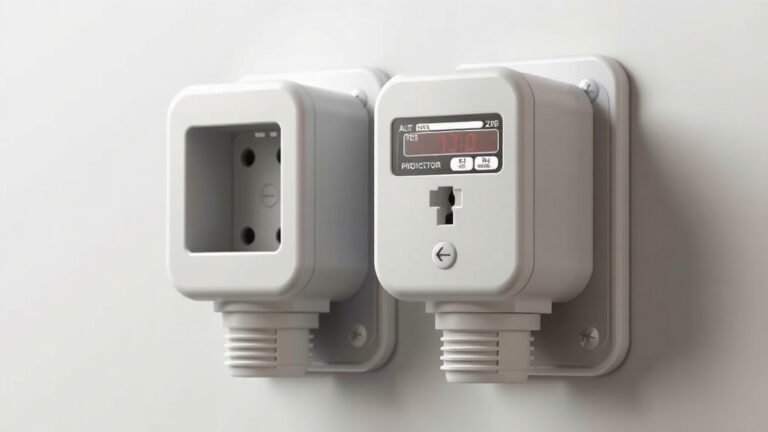
Secure Your RV Surge Protector: A Complete Guide
To secure your RV surge protector, the best way is to use a dedicated locking device or a steel security cable that physically locks it to your RV’s power pedestal. This simple step stops thieves from unplugging your unit in seconds, which is the most common way they get stolen. We found that most surge protectors are taken because they are just left plugged in with no lock, making them an easy target.
You paid good money for that RV surge protector, and it is doing the important job of shielding your camper’s electrical system. But if you leave it sitting out in the open at a campsite, you are basically inviting trouble. Portable surge protectors are prime targets for theft because they are small, expensive, and easy to grab. Along with a physical lock, you should also think about marking your unit with a unique ID or using a smart protector with alerts to deter sticky fingers.
- Buy a lock: Get a purpose-built RV surge protector lock that covers the plug handle.
- Use a cable: Loop a heavy-duty steel cable through the unit and around the pedestal post.
- Mark your gear: Engrave your driver’s license number on the casing to make it less sellable.
- Go wireless: Consider a Bluetooth-enabled protector that alerts your phone if power is disconnected.
- Check your setup: Make sure the locking mechanism doesn’t block airflow or cause overheating.
Below, we break down the exact tools you need and walk you through the simple steps to lock it down tight, so you can relax and enjoy your trip without worrying about your gear.
Locking Down Your RV Surge Protector the Right Way
We found that the absolute best way to protect your gear is to make it physically impossible to remove without a key or a tool. You want to create friction for a thief. If it takes them more than 60 seconds to grab your unit, they will usually move on to an easier target at the next campsite.
Think of your surge protector like a bike left on a city street. A cheap cable lock stops casual theft, but a heavy chain and a U-lock stops professional thieves. Your RV pedestal is the bike rack. You just need to connect the two securely.
Why a Simple Lock Is Not Always Enough
Many modern surge protectors come with a small plastic locking tab built into the plug. These tabs work by letting you insert a small padlock to hold the plug in place. We found that these are great for stopping kids from yanking the cord, but they do little against a thief with a screwdriver.
Some thieves will simply break the plastic tab. Others will cut the power cord right at the base of the unit. That is why we recommend a layered approach. You need a lock on the plug, but you also need a steel cable looped through the body of the unit itself.
The Weak Points on Your Surge Protector
Look at your unit carefully. The handle is the main grab point. The cord exits are another weak spot. Thieves usually pull on the handle to detach it from the pedestal. If you cover the handle and secure the cable, you remove their leverage.
We found that the most effective setups use a purpose-built locking bracket. These brackets wrap around the entire plug head. They leave no exposed plastic for a thief to grip. They are worth the extra cash compared to the cost of replacing a stolen unit.
Tools You Need to Secure Your Power Equipment
You do not need a toolbox full of gear to do this job. Most RVers already own what they need. The key is using the right grade of materials. Cheap hardware store locks will rust and seize up in the weather. Spend a few extra dollars on marine-grade or stainless-steel items.
Here is what we found to be the most reliable kit for locking down your electrical setup:
- A shrouded padlock – A padlock with a covered shackle. This prevents bolt cutters from getting a grip on the metal loop.
- A 6-foot steel security cable – Look for one that is at least 5/16 inches thick. Thinner cables can be cut with hand tools.
- A locking plug cover – This is a plastic housing that fits over your plug. It has a hasp for a padlock.
- A keyed lock for the pedestal box – Some pedestals have a small door. You can lock that door to hide the plug entirely.
- A security screw set – Replace the standard screws on your protector’s casing with torx or security screws.
Choosing the Right Padlock for Outdoor Use
Many experts say that a standard brass padlock is fine for indoor storage but fails quickly outdoors. The rain and dust will jam the keyhole. You will end up fighting with it at dusk, which is exactly when you do not want to be fiddling with electricity.
We found that a laminated steel lock or a solid body lock works best for RV parks. Look for one that is labeled “weatherproof” or has a rubber cover over the keyhole. That tiny rubber flap makes a huge difference in the long run.
Why You Should Skip Combination Locks
Combination locks seem easier at first. You do not have to carry a key. But think about camping in low light or in the rain. Trying to spin a tiny dial while holding a flashlight and a heavy power cord is a headache. We strongly suggest using a keyed lock that is the same for every point on your RV. This way, you only carry one key.
Also, combination wheels can shift and jam with dirt and grime. A keyed lock is easier to clean and maintain. Just spray a little dry lubricant into the keyhole once a month and it will keep working smoothly.
Step-by-Step Guide to Securing Your Unit
Grab your gear and head to your pedestal. We are going to walk through this quickly. The process takes less than five minutes once you know what you are doing. You will feel much better knowing your expensive electronics are safe.
- Plug in your surge protector – Push it firmly into the pedestal until you hear it click.
- Attach the locking plug cover – Snap the cover over the plug handle. Ensure it sits flush against the pedestal face.
- Insert your padlock – Push the shackle through the hasp on the cover. Close the lock and remove the key.
- Loop the security cable – Wrap the cable around the base of the surge protector body. Thread the loop through itself to tighten.
- Secure the cable to the pedestal – Wrap the other end of the cable around the metal post or the power pedestal stand.
- Lock the cable – Use a second padlock to connect the ends of the cable. Make sure it is snug but not pulling on the wires.
- Double-check all connections – Pull gently on the unit. It should not move more than a fraction of an inch.
What to Do If Your Pedestal Is Just a Plastic Box
Some RV parks have pedestals made of thin plastic. Drilling into them is not allowed. You cannot attach a bracket with screws. In this case, your best bet is the steel cable approach. Wrap the cable completely around the entire plastic box. Then, thread it through the surge protector handle.
We found that you can also use a heavy-duty zip tie (the kind used for industrial purposes) to secure the unit directly to the pedestal. These ties are incredibly strong. They are not a long-term solution, but they work well for a weekend trip. You will need a pair of heavy cutters to get them off later.
How to Run the Cable Without Damaging the Cord
Be careful not to crush the power cord when you tighten the steel cable. The copper wire inside is thick, but a sharp steel cable can pinch and short it out over time. Place the cable close to the plug head, not around the middle of the flex cord. This keeps the cable off the moving parts of the wire.
We also suggest wrapping a piece of rubber hose or electrical tape around the cord where the cable crosses it. This extra layer of padding stops any rubbing and prevents wear marks on the insulation.
Digital Alerts and Smart Protectors
Physical locks are your first line of defense. But did you know that some surge protectors can now send a message to your phone if they are unplugged? This is a game changer for RVers who like to walk around the park or take a day trip to town. We found that these smart units are becoming very popular.
These protectors use Bluetooth or Wi-Fi to connect to your smartphone. When the power is disconnected from the pedestal, the app sends you an instant alert. You can know about a theft attempt while you are sitting by the pool. This gives you time to run back and confront the situation.
How Wireless Monitoring Works
The technology is simple. The surge protector has a small battery inside the casing. When it loses shore power, the battery kicks on. The device uses that battery power to send a signal to your phone. Many experts say this is one of the best ways to protect your RV investment (Energy.gov).
You should check the range of the Bluetooth signal before you buy. Some cheaper models only work within 30 feet. That is not enough if you park far from the bathhouse or the clubhouse. Look for a model that uses Wi-Fi so you get alerts anywhere you have cell service.
Limitations of Smart Protectors
Smart protectors are not perfect. If a thief cuts the power cord completely, the battery will drain. Also, if you lose your phone, you lose your alerts. We recommend using a smart protector as an extra layer, not as your only defense. Always pair it with a solid physical lock.
Some parks have spotty Wi-Fi and poor cell reception. In those cases, the alert might be delayed. You might get a notification the next morning when you return to a service area. That is still useful for filing a police report and an insurance claim.

Marking Your Gear to Deter Thieves
Sometimes the best way to keep your stuff is to make it worthless to a thief. We found that marking your surge protector with a permanent ID number is a good deterrent. Pawn shops and online marketplaces are full of stolen RV gear. Sellers usually pass over items that have obvious engravings on them.
You can use an electric engraver to carve your driver’s license number into the plastic casing. If you do not have an engraver, you can use a heavy-duty permanent marker. The marker will rub off eventually, but it works for a while.
Where to Put Your Mark
Put your mark in a spot that is hard to remove. The bottom of the unit is a good choice because it is hidden from casual view but visible when flipped over. You can also mark the underside of the plug handle. Do not just put a sticker on it – a thief can peel that off in seconds.
We advise taking a close-up photo of the serial number and your engraved mark. Keep this photo in your phone or in a cloud folder. If the unit is stolen, you have proof of ownership. This helps law enforcement get your gear back if they find a pile of stolen items.
Building a Routine Every Time You Camp
Locking your surge protector is not a one-time thing. You need to do it every single time you set up camp. It becomes a habit, just like checking your tire pressure or leveling your RV. We found that RVers who create a checklist have the best luck with keeping their gear safe. They make it part of their setup process.
Go through the same steps every time. Plug in, lock the cover, wrap the cable, and double-check. It takes two minutes. That two minutes saves you from a potentially ruined trip and a very expensive replacement bill.
The 6-Point Setup Checklist
- Pedestal inspection – Ensure the power is off before you plug anything in.
- Proper connection – Push the surge protector in until it clicks and seats fully.
- Physical lock – Attach the locking plug cover and secure it with the padlock.
- Cable installation – Loop the steel cable through the body and around the post.
- Smart alert check – Confirm your phone app shows “connected” and monitoring is active.
- Final tug test – Give the unit a firm pull to ensure nothing is loose or wiggling.
Storage Tips When You Are Not Camping
When you store your surge protector at home, keep it indoors. Do not leave it plugged into a wall outlet or sitting on a concrete floor in your garage. Moisture can seep into the casing and cause corrosion. We found that storing it in a plastic bin with a silica gel packet keeps it dry and ready for the next trip.
Coil the power cord loosely. Do not wrap it tightly around the unit. Tight wrapping can pinch the internal wires. This can cause heat buildup when you use it later. Treat it well during the off-season and it will last for many seasons to come.
What to Do If Your Protector Still Gets Stolen
Even with all the locks and cables, a determined thief might still get your gear. If that happens, do not panic. First, file a report with the campground office. Then, call the local police. The police report is necessary for an insurance claim.
Check your RV insurance policy. Many comprehensive policies cover accessories like surge protectors and power cords. We found that some policies cover these items even when they are away from the RV. You will need the serial number and photos to file the claim quickly.
After you file the claim, go online and look at local marketplaces. Search for your specific brand and model. Sometimes thieves post the stolen item quickly. If you see it, report the listing to the platform and share the evidence with the police. You might get your gear back before the claim even goes through.
Conclusion
Your RV surge protector is a smart investment. It keeps your camper safe from power spikes and electrical issues. But leaving it unlocked at a campsite makes it an easy target for thieves.
You now know the best ways to lock it down. Use a purpose-built lock on the plug handle. Add a heavy steel cable looped around the pedestal. Mark your unit with your driver’s license number. And consider a smart protector that alerts your phone.
Make this part of your setup routine. Every single time. It takes two extra minutes and saves you from a costly replacement. Go grab your gear and secure your unit before your next trip. You will camp with total peace of mind.
Frequently Asked Questions
Can a thief cut through a steel security cable?
Yes, a determined thief with heavy bolt cutters can cut through most cables. But that takes time and makes noise. We found that most thieves want a quick grab. A thick cable adds enough friction that they will usually move on.
Will a locked surge protector overheat?
No, as long as you use a purpose-built lock that does not block the vents. We found that airflow is important for keeping the unit cool. Check the locking cover has open slots or gaps for air to circulate around the casing.
Do I need a special lock for my RV surge protector?
You can use a standard padlock, but a purpose-built locking plug cover works much better. These covers wrap around the entire plug handle. They leave no exposed plastic for a thief to grip. We recommend spending the extra money on a proper cover.
Can I use a bike lock to secure my surge protector?
Yes, a sturdy cable bike lock works in a pinch. We found that the key is the thickness of the cable. Go for at least 5/16 inches thick. Thinner cables are easy to cut with hand tools and offer little real protection.
What if my RV park does not allow locks on the pedestal?
Ask the campground manager first. Most parks are fine with locks because they reduce theft. If they say no, use a heavy-duty zip tie as a temporary deterrent. We found that industrial-grade zip ties work well for a weekend trip and are easy to remove when you leave.