Do You Need an RV Surge Protector? Key Facts
Yes, you absolutely need an RV surge protector if you want to protect your rig’s electrical system. A power surge can fry your expensive appliances and electronics in a split second. We found that a good surge protector is a small investment that saves you from costly repairs down the road.
Your RV plugs into campground pedestals that are often old, weathered, and unreliable. These hookups can send inconsistent power or dangerous spikes straight into your motorhome. Without a protector, your converter, air conditioner, and TV are completely exposed to that unpredictable power flow.
- Yes, you need one to protect your RV’s electrical system from power surges and spikes.
- Campground power pedestals are often outdated and can deliver unstable electricity.
- A surge protector blocks dangerous voltage spikes before they reach your appliances.
- Some models also guard against low voltage, wiring errors, and power loss.
- Replacing a fried converter or AC unit costs way more than buying a protector.
Below, we break down everything you need to know about choosing the right surge protector for your RV, how they work, and what features actually matter. Let’s walk through it together so you can camp with total peace of mind.
Why Your RV Needs a Surge Protector on Every Trip
You wouldn’t plug your laptop into a frayed extension cord during a thunderstorm. So why plug your entire home-on-wheels into a campground pedestal with zero protection? That is the reality for thousands of RVers every single night. We found that most people don’t think about this until the magic smoke escapes from their converter.
That smoke is expensive. It smells terrible. And it means your fridge is now a very large, very warm cooler. A surge protector is your bouncer at the club door. It decides who gets in and who gets turned away. Let’s look at what you are really dealing with when you plug in.
What Exactly Is a Power Surge?
A surge is a sudden jump in voltage. It lasts a fraction of a second. But in that tiny window, it can push way too much power into your rig. Think of it like a water pipe. Normal pressure fills your glass fine. A surge is a hammer hitting that pipe. Something is going to crack.
These spikes come from lightning strikes, utility company switches, or even your neighbor’s AC kicking on. The grid is not perfect. It fluctuates. Your RV is at the mercy of that grid the second you plug in.
The Real Danger Hiding in Old Campground Pedestals
Campgrounds are not power plants. Many pedestals were installed decades ago. They sit outside in rain, snow, and baking sun. Wires corrode. Breakers get weak. We found that many of these boxes are just plain worn out. They can send unstable power that dips and spikes all night long.
Low voltage is a silent killer too. It makes your AC motor work harder. It draws more amperage to compensate. That extra heat can melt wires inside your walls. A surge protector catches these bad vibes and cuts the power before damage happens.
How an RV Surge Protector Actually Works
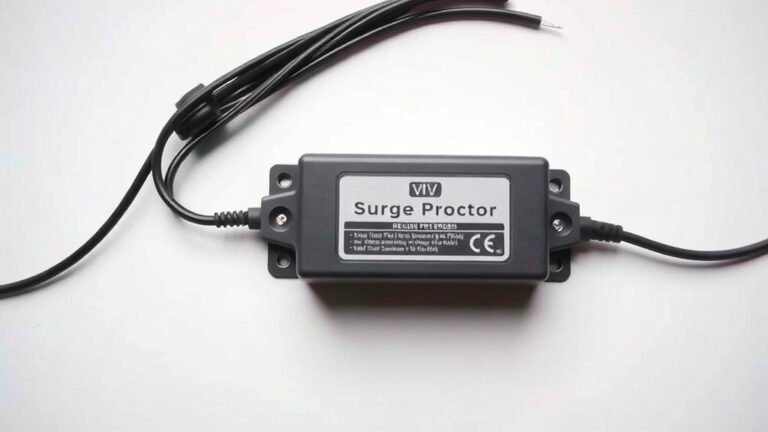
The device sits between the pedestal and your power cord. It monitors the incoming electricity constantly. It is like a guard dog that never sleeps. The moment it sees voltage outside a safe range, it trips the breaker. This cuts power instantly. It resets itself once the flow is stable again.
Most units use metal oxide varistors, or MOVs. These components absorb the excess voltage and redirect it to the ground. They sacrifice themselves to save your gear. That is why surge protectors wear out over time. They take the bullet so your TV doesn’t have to.
Surge Protector vs. Electrical Management System
Here is where it gets interesting. Many people use these terms like they are the same thing. They are not. A basic surge protector only handles spikes. It is a one-trick pony. An Electrical Management System (EMS) does much more. It checks the wiring before you even get power.
An EMS looks for reverse polarity, open grounds, and faulty neutrals. It also guards against low voltage and high voltage. It is the full security system for your rig. We found that spending a little extra on an EMS gives you better protection overall.
| Feature | Basic Surge Protector | Electrical Management System |
|---|---|---|
| Blocks power spikes | Yes | Yes |
| Detects wiring errors | No | Yes |
| Protects against low voltage | No | Yes |
| Shuts off on bad pedestal | Sometimes | Yes |
| Shows error codes | No | Yes |
What Happens When You Skip the Protector
Let’s get real about the costs. Replacing a converter runs anywhere from 300 to 800 dollars. A roof AC unit is even worse. You are looking at 1,200 dollars or more with labor. A microwave, a refrigerator control board, or a fancy inverter can cost hundreds each. Do the math quickly. That adds up fast.
Now compare that to the price of a decent surge protector. You can grab a solid unit for around 50 to 150 bucks. A top-tier EMS runs 200 to 400 dollars. That is a one-time purchase. It protects every single outlet in your rig for years. It is cheap insurance, plain and simple.
Many experts say that most RV electrical failures are caused by bad pedestal power, not the appliances themselves. The campground won’t pay for your damage either. They will point to the weather or your equipment. You are on your own. We found that protection is the only real answer here.
Your RV Warranty Will Not Help You
Here is a harsh truth. Your manufacturer warranty usually does not cover power surges. They will call it an external factor or an act of nature. So that fried fridge is on your dime. Some insurance policies cover it, but the deductible often costs more than the protector. It is not worth the gamble.
Think of it like car insurance. You wear a seatbelt even if you are a great driver. You do it because the other guy might be terrible. The same logic applies here. You cannot control what the campground delivers. You can only control how you prepare.
Portable vs. Hardwired Surge Protectors
You have two main options when shopping. Portable units plug directly into the pedestal. Your shore cord then plugs into the protector. They are simple to install and easy to move between RVs. They also double as a theft deterrent because you can lock them to the post with a cable.
Hardwired units install inside your RV near the power panel. They are permanent and always on. You never forget to plug one in. That is a huge plus because we found that forgetfulness is the number one reason people get zapped. You cannot skip a step that is already built in.
Which One Should You Pick?
If you own a single RV and plan to keep it, hardwired is great. It is out of sight and out of mind. If you are renting, borrowing, or upgrading soon, go portable. You can take it with you anywhere. Both do the same basic job. The choice comes down to your habits and your rig.
We recommend looking at the amperage rating first. A 50-amp rig needs a 50-amp unit. A 30-amp trailer needs a 30-amp model. Do not try to use one for the other. It will not work correctly and could cause issues. Match the rating to your plug type, always.
Key Features to Look For in a Quality Unit
Not all surge protectors are built the same. You want one that actually does its job when it matters. Look for a unit with a high joule rating. Joules measure how much energy it can absorb. Higher is better. Aim for at least 1,500 joules for solid protection. More is even safer.
Check the response time too. You want it to react in nanoseconds. That is one billionth of a second. Slower units let the spike through. Also look for weatherproof housings and clear digital displays. A display shows you the voltage and amps in real time. It tells you if the pedestal is healthy.
Why a Digital Display Helps You Daily
That little screen is not just for show. It lets you check the pedestal before you flip your main breaker. You will see if the voltage is high or low. You will know if the wiring is correct. It gives you a green light to plug in with confidence. Without it, you are flying blind.
The Importance of Error Codes
If the unit trips, error codes tell you why. Maybe it is an open neutral. Maybe the voltage dropped too low. This information is gold. It helps you explain the issue to the campground host. It also helps you avoid plugging into that same bad pedestal again.
Your Quick Pre-Trip Surge Protection Checklist
Before you roll out to your next campsite, run through this list. It takes two minutes and saves you a headache later. We found that a little preparation goes a long way.
- Confirm your RV amperage and buy a matching protector or EMS.
- Check the joule rating and make sure it is at least 1,500.
- Test your unit at home before your first trip. Plug it in and watch the display.
- Keep a spare locking cable or clip to secure the unit to the pedestal.
- Inspect your shore cord for cracks or bent prongs. Replace it if damaged.
- Reset your protector after a trip. Press the test button to make sure it works.
That last one matters. Surge protectors can fail silently over time. A monthly test keeps you honest. Many experts say that regular testing extends the life of the unit. It also ensures you are protected when you actually need it.
Is It Worth the Money? The Bottom Line
We found that the math is simple. A 150-dollar protector beats a 1,500-dollar repair bill every single time. The peace of mind alone is worth it. You will sleep better knowing your rig is safe. You will not panic when the lights flicker at the campground.
Your RV is a big investment. It holds your family, your food, and your memories. Protecting it from bad power is not an upgrade. It is a necessity. So yes, you need one. Get a good one, install it right, and hit the road with confidence.
Conclusion
You need an RV surge protector, plain and simple. We found that campground pedestals are unpredictable, and your rig’s electronics are too expensive to leave exposed. A basic unit handles spikes, but an EMS gives you full protection against wiring errors and low voltage too.
The cost difference is a no-brainer. You are looking at a one-time purchase of 50 to 400 dollars versus a repair bill that can easily hit four figures. Do not gamble on your warranty covering it, because it usually will not.
Your next step is simple. Check your RV’s amperage, pick a unit with at least 1,500 joules, and order it before your next trip. Get it installed, test it, and camp with total peace of mind knowing your home-on-wheels is safe.
Frequently Asked Questions
Can I use a regular house surge protector for my RV?
No, you should not use a standard household power strip or surge protector for your RV. Those are not built for the outdoor conditions or the electrical demands of a 30-amp or 50-amp RV system. You need a unit rated specifically for RV use that can handle the amperage and weather exposure.
How long does an RV surge protector last?
Most quality surge protectors last between 3 to 5 years with regular use. The MOVs inside degrade every time they absorb a surge, so they wear out over time. That is why we recommend testing your unit monthly and replacing it after a major surge event or when it stops passing the self-test.
Will a surge protector help if the campground has a power outage?
Yes, it helps with outages in most cases. When the power comes back on, it can spike or surge, which is exactly when damage happens. A good surge protector will block that spike when the power returns. An EMS will even shut off the power and wait for the flow to stabilize before letting electricity back into your rig.
Do I need a surge protector if I mostly stay at full hookup resorts?
Yes, you still need one, and here is why. Even nice resorts have aging infrastructure and inconsistent power. We found that voltage fluctuations happen at all types of campgrounds, not just the cheap ones. A surge protector is cheap insurance no matter where you park, from a luxury resort to a remote national forest.
Can a surge protector fix bad wiring in an RV pedestal?
No, it cannot fix the problem, but it can protect you from it. A surge protector or EMS will detect wiring issues like reverse polarity or an open ground and simply refuse to supply power to your RV. That is a good thing. It tells you the pedestal is bad so you can ask for a different site or move to another spot.