RV Surge Protector Buying Guide: 9 Key Features
When you shop for an RV surge protector, look for three key things: high joule ratings for strong protection, low clamping voltage for fast response, and thermal protection to stop overheating. That’s the short answer to what to look for in an RV surge protector. You want a unit that guards your rig’s wiring and keeps your appliances safe from dangerous power spikes at campgrounds.
We found that campground power isn’t always clean or stable. Your RV costs a lot, so you need a surge protector that works as a reliable shield, not just an expensive extension cord. Built-in digital displays, audible alarms, and weatherproof housings are also smart upgrades to think about. Many experts say that a good surge protector is the cheapest insurance you can buy for your motorhome or travel trailer.
- Protection level: Look for at least 2,000 to 3,000 joules of surge capacity.
- Speed: Choose a low clamping voltage (under 330V) for quicker response.
- Safety features: Thermal cutoff prevents melting or fires from heat build-up.
- Form factor: Pick a portable model for easy setup or a hardwired one for permanent protection.
- Bonus features: A digital readout shows voltage and amp draw, which helps you spot wiring problems.
Below, we break down everything you need to know about picking the perfect surge protector for your RV setup. We’ll walk you through the specs, the mistakes to avoid, and how to get the best value for your hard-earned cash.
Choosing the Right RV Surge Protector for Your Rig
You need a surge protector that matches your RV’s electrical system. That means checking your shore power plug type first. Most RVs use a 30-amp or 50-amp connection. Your protector must match that plug shape exactly.
We found that many beginners buy the wrong size by accident. Check the plug on your RV’s power cord before you shop. A 30-amp plug has three prongs. A 50-amp plug has four prongs. Getting this wrong means the unit won’t fit at all.
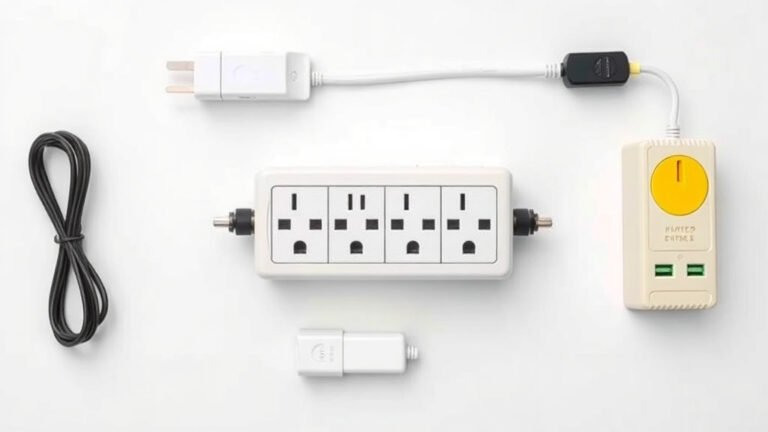
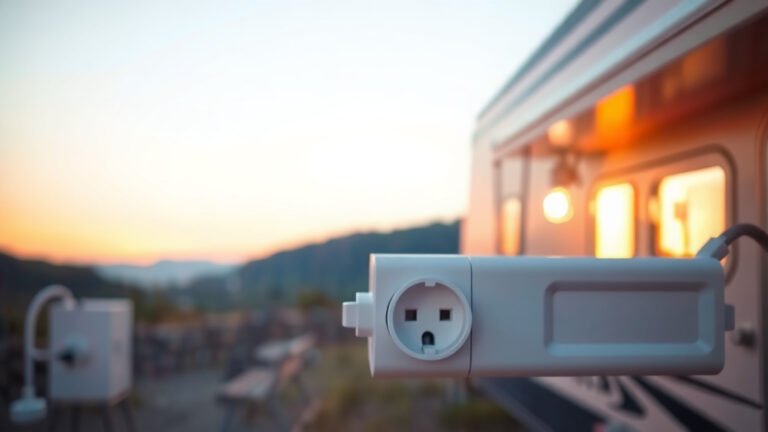
Portable protectors plug directly into the campground pedestal. Your RV cord then plugs into the protector. This setup is easy to use and works well for most campers. Hardwired models mount inside your RV and connect to your electrical panel. Both options offer solid protection, but your choice depends on your camping style.
How Many Joules Do You Actually Need?
Joules measure how much energy the protector can absorb before it fails. Research shows that higher joule ratings mean longer protection life for your equipment. Think of joules like a battery. The bigger the battery, the more spikes it can soak up over time.
We recommend looking for a unit with at least 2,000 joules. Many quality models offer 3,000 to 4,000 joules. That extra capacity gives you more surge events before the unit wears out. Some protectors stop working silently after a big surge. That’s why some models have indicator lights to show they’re still functional.
Don’t skimp on this spec. A cheap 600-joule protector might stop one small spike. But campground power can throw serious surges your way. A higher joule rating gives you a bigger safety cushion. According to electrical safety guidelines from the National Electrical Manufacturers Association, surge protection devices need adequate capacity to handle repeated events.
Clamping Voltage and Response Speed
Clamping voltage tells you how quickly the protector reacts to a spike. This is measured in volts. The moment voltage spikes, the protector needs to divert that extra power away from your RV. Lower clamping voltage means faster reaction time.
We found that 330 volts or less is the sweet spot for RV surge protectors. Standard household protectors often have higher clamping voltages. Those don’t work well for RV applications. Your RV’s sensitive electronics like TVs, refrigerators, and converter systems need that quick response.
Response time matters too. Most quality protectors react in under one nanosecond. That’s fast enough to catch most power spikes. Look for this spec printed on the box or listed in the product description. If the manufacturer doesn’t list it, that’s often a red flag.
Key Safety Features That Prevent Disaster
Safety features separate a quality surge protector from a cheap gadget. The most important one is thermal protection. This shuts down the unit if it gets too hot. Heat builds up from loose connections, high current draw, or damaged components. Without thermal cutoff, a protector could melt or catch fire.
Many experts say thermal protection is non-negotiable for RV use. Campground pedestals get exposed to sun, rain, and rough handling. Those conditions create loose connections and other hazards. A good protector detects the heat and cuts power before damage occurs. That protects your RV and the campground equipment too.
Open Neutral and Wiring Fault Detection
Campground wiring isn’t always up to code. We found that wiring faults are more common than people expect at older parks. An open neutral happens when the neutral wire connection fails. This can send dangerous voltage spikes through your RV’s system. A protector with fault detection catches this problem before you connect.
Look for a unit that checks the pedestal wiring automatically. Some models test for open neutral, reverse polarity, and other issues. They block power if they find a problem. This saves you from discovering a wiring issue after your electronics are fried. The digital display will typically show an error code so you know what’s wrong.
Some protectors include a remote display. This lets you check the status from inside your RV. That’s handy when the pedestal is on the opposite side of your campsite. You don’t want to walk outside in the rain just to check the lights.
Weatherproofing and Build Quality
Your surge protector sits outside in all kinds of weather. Rain, snow, and direct sunlight can damage poorly built units. Look for a weatherproof housing that meets IP rating standards. An IP66 rating means it’s dust-tight and protected against powerful water jets. That’s ideal for outdoor RV use.
The housing should also have a way to hang or mount the unit. Many protectors come with a mounting bracket or eyelet. This keeps the unit off the ground. Water puddles form around pedestals during storms. Keeping your protector elevated reduces water damage risk.
Check the cord thickness too. A flimsy cord can overheat under heavy load. We recommend a thick, heavy-duty cord rated for your amperage. Look for a strain relief where the cord meets the housing. That prevents the cord from pulling loose over time.
Extra Features Worth Paying For
Not all surge protectors are created equal. Some models pack in features that make life easier on the road. A built-in digital display shows voltage, current draw, and error codes. This gives you real-time information about your power source. We found that a readable display helps you spot problems early before they become serious.
Audible alarms are another useful feature. Some protectors beep when they detect a wiring fault or low voltage. This gets your attention even if you’re not looking at the display. You can then investigate the issue while your RV stays protected.
Portable vs. Hardwired Protection
Portable protectors hang on the pedestal and stay outside. They’re easy to move between RVs. If you upgrade your camper later, you can bring the protector along. These models are also easier to replace if they take a big hit.
Hardwired protectors install inside your RV, usually near the electrical panel. They protect your system even if you forget to plug in the portable unit. The downside is installation complexity. You might need an electrician to wire it in correctly. Hardwired models also stay with the RV if you sell it.
Some campers use both for maximum protection. The portable unit catches surges at the pedestal. The hardwired unit provides backup inside. This dual-layer approach costs more but gives peace of mind.
Common Mistakes When Buying a Surge Protector
Many campers buy protectors based on price alone. That often leads to disappointment. Cheap units lack the safety features that keep your RV safe. We found that paying a little more upfront saves money later in avoided repair bills.
Another mistake is ignoring the amperage rating. A 30-amp protector won’t work for a 50-amp RV and vice versa. Always match the protector to your RV’s electrical system. Using an adapter to force a mismatch creates a weak point in your protection.
Some people also forget that surge protectors wear out. They don’t last forever. Every surge event reduces their capacity slightly. Plan to replace your protector every few years or after a major surge event. Many models have a replace-me indicator light.
Understanding the Price Range
You’ll find RV surge protectors ranging from $50 to over $500. Budget models offer basic protection with fewer features. Premium models include digital displays, remote monitoring, and better build quality. The right choice depends on how often you camp and what your RV is worth.
A $50,000 motorhome deserves better protection than a $300 gadget. That’s like putting a bicycle lock on a luxury car. The protector cost is tiny compared to the cost of replacing your RV’s electrical system. Many experts recommend spending about 1% of your RV’s value on surge protection.
Watch for sales and bundle deals too. Some retailers package surge protectors with other electrical accessories. You can often save money by buying a complete protection kit rather than separate pieces.

How to Use Your Surge Protector Correctly
Using a surge protector seems simple, but there are right and wrong ways. First, plug the protector into the pedestal before you connect your RV cord. This ensures the protector is the first line of defense. Some protectors run a self-test when you plug them in. Wait for the test to complete before connecting your RV.
Make sure the protector hangs securely and doesn’t dangle by its cord. A dangling unit puts stress on the connections. Use the mounting bracket or tie a strap around it. Keep the unit away from standing water and direct sun exposure when possible.
Read the Error Codes
When your protector shows an error, don’t ignore it. Error codes tell you about the pedestal’s condition. A common error is reverse polarity, meaning the hot and neutral wires are swapped. Another is open ground, where the ground wire isn’t connected. These issues can damage your RV electronics.
If your protector blocks power due to an error, try another pedestal. Campground staff may be able to move you to a different site. Never try to bypass the protector to get power. That defeats the purpose of having protection in the first place.
Quick Checklist Before You Buy
Use this checklist when you’re ready to shop. Keep it handy on your phone while you compare options.
- Match the amperage: 30-amp or 50-amp plug type that fits your RV.
- Check the joule rating: At least 2,000 joules, ideally 3,000 or more.
- Verify clamping voltage: Look for 330V or lower for fast response.
- Confirm thermal protection: Must have automatic shutdown on overheating.
- Look for fault detection: Check for open neutral and reverse polarity warnings.
- Ensure weatherproofing: IP66 rating or similar outdoor protection.
Working through this list takes about two minutes. It will save you from buyer’s remorse later. We found that campers who follow this checklist end up happier with their purchase. They get the protection they need without paying for features they don’t use.
Take your time comparing models. Read reviews from other RV owners. Look for patterns in the complaints. If multiple people report the same issue, that’s a sign to keep shopping. A reliable surge protector gives you confidence every time you plug in at a new campground.
Conclusion
Choosing the right RV surge protector comes down to matching your plug type, checking the joule rating, and making sure the clamping voltage is 330V or lower. You also want thermal protection and fault detection to catch bad campground wiring before it reaches your rig.
We found that campers who skip these steps often pay the price later with fried electronics or costly repairs. A quality protector is one of the smartest investments you can make for your RV. It gives you peace of mind every time you plug into a new pedestal.
Your next step is simple: grab the checklist from above and compare a few models online. Match the specs to your RV’s electrical system, read reviews from other owners, and pick the one that fits your budget. You’ll be glad you did when you’re camping without worries.
Frequently Asked Questions
Do I really need a surge protector for my RV?
Yes, we strongly recommend one. Campground power can spike, dip, or have wiring faults that damage your RV’s electronics. A surge protector catches those problems before they reach your rig. It’s cheap insurance compared to replacing a converter or refrigerator.
Can I use a regular house surge protector for my RV?
No, you should avoid standard household surge protectors for RV use. They don’t have the same clamping voltage or thermal protection that RV models offer. Plus, they won’t detect wiring faults like open neutral or reverse polarity. You need a unit designed specifically for the outdoor, high-demand environment of RV camping.
How often should I replace my RV surge protector?
Most manufacturers recommend replacing your surge protector every 3 to 5 years. Each surge event slightly reduces the unit’s capacity to absorb future spikes. If you take a major hit, check the indicator light or display. Many models show a replace-me signal when they’re done.
Will a surge protector fix low voltage at the campground?
No, a standard surge protector won’t fix low voltage problems. It only guards against sudden spikes and surges. If you frequently deal with low voltage, you might need an EMS (Electrical Management System) that monitors and shuts off power when voltage drops too low. Some advanced surge protectors include this feature built-in.
What happens if my surge protector detects a wiring fault?
The unit will block power and show an error code on its display. This is a good thing — it means the protector is working. You should move to a different pedestal or ask campground staff to fix the wiring. Never bypass the protector to get power, as that puts your RV at risk.