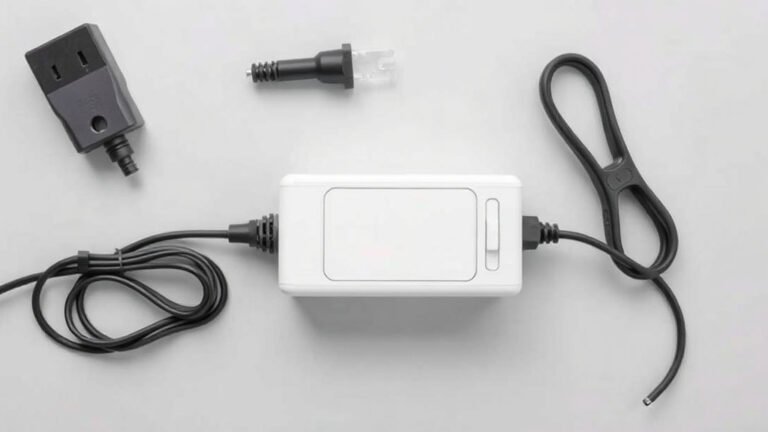
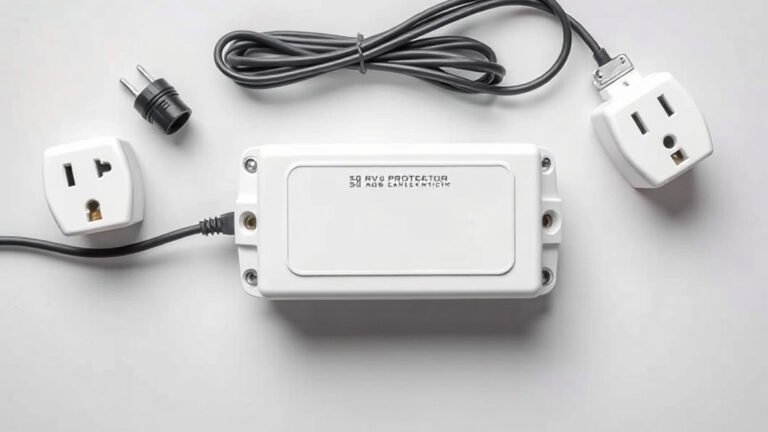
Best 30 Amp RV Surge Protectors for 2026
The best RV surge protector for 30 amp setups is a **smart surge protector with low-voltage protection**, like the Progressive Industries EMS-PT30X. We found that this model offers the **best combination of safety, reliability, and user-friendly features** for most RVers. It guards your rig against power surges, faulty wiring, and dangerous electrical issues that can damage your electronics.
Your RV’s electrical system is sensitive. A simple power spike at a campground pedestal can fry your converter, fridge, or TV. We recommend treating a surge protector as **essential RV gear**, not an optional add-on. Many experts say it is the **single best investment** you can make to protect your home-on-wheels from costly repairs.
- Best Overall: Progressive Industries EMS-PT30X for its advanced monitoring and protection.
- Best Budget Pick: Camco PowerGrip for solid basic surge protection without breaking the bank.
- Key Feature: Look for low-voltage and open-neutral protection, not just surge suppression.
- Hardwired vs. Portable: Portable units are easier to install and can be moved between RVs.
- Pro Tip: Always check the pedestal’s voltage before you plug in, even with a protector.
Below, we break down the top 30 amp models on the market and explain exactly what features matter most. Let’s walk through how to pick the right one for your travels so you can camp with total peace of mind.
Choosing a 30 Amp Surge Protector That Fits Your Rig
You need a protector that matches your RV’s electrical needs. A 30 amp system is standard for most travel trailers and smaller motorhomes. We found that the best 30 amp surge protectors combine smart monitoring with strong surge absorption.
Your goal is simple: keep your RV’s electronics safe from bad power. The right unit does this by cutting power when it detects a problem. This is much better than a simple surge strip because it handles more than just spikes.
What Exactly Does a 30 Amp Surge Protector Do?
Think of your RV’s electrical system like a heart. The pedestal is the donor. A surge protector is the medical team checking everything before the transplant. It looks for problems and stops the connection if something is off.
Basic surge protectors only catch big voltage spikes. Smart models, however, check for low voltage, high voltage, and open neutrals. We found that these smart features are what really save your appliances from damage.
Many experts say that an open neutral is one of the most dangerous conditions for an RV. It can send 240 volts into your 120-volt system, which fries everything instantly (National Fire Protection Association). A good smart protector catches this in milliseconds.
Portable vs. Hardwired: Which One Works for You?
Portable units plug directly into the pedestal. You then plug your RV’s cord into the unit. These are easy to install and easy to move between RVs. We recommend portable units for most campers because they are so flexible.
Hardwired units are installed inside your RV’s electrical bay. They are always on and cannot be stolen. However, they require more work to install and you lose the ability to use them on a different rig.
Consider this: a portable unit doubles as a diagnostic tool. You can see the pedestal’s power quality before your RV is even connected. That information is gold when you are at a new campground.
Top Features to Look For in a 30 Amp Protector
Not all surge protectors are created equal. You need to look past the price tag and check the specs. We found that the features below make the biggest difference in real-world camping.
Without these features, you are just buying a fancy extension cord. With them, you are buying real insurance for your rig.
Low Voltage and High Voltage Protection
Voltage that is too low is actually more common than surges. It happens when the campground is overloaded with RVs running their air conditioners. Low voltage makes your AC motor work harder and can burn it out over time.
High voltage usually comes from a bad neutral wire or a lightning strike nearby. A protector with a broad voltage range will shut off power outside of safe limits. We found that units with a cutoff at 104 to 132 volts are the best choices.
Your RV’s appliances are designed to run on standard 120-volt power. When the pedestal delivers something different, things break. A smart protector handles this automatically, no thinking required.
Open Neutral and Reverse Polarity Detection
An open neutral is a wiring failure at the pedestal. It happens when the ground wire is loose or broken. This is the condition that causes the most catastrophic failures in RVs.
Reverse polarity means the hot and neutral wires are swapped. This can energize the chassis of your RV, which is a serious shock hazard. The best surge protectors check for both of these before sending power to you.
Many guidelines suggest that these wiring checks are just as important as surge suppression (Occupational Safety and Health Administration). The protection you need is not just about spikes. It is about catching every electrical fault.
Display Screen and Error Codes
A digital display tells you exactly what is happening. You can see the voltage, amperage, and any error codes. We found that a clear display makes troubleshooting much easier when something goes wrong.
Some units have simple lights. Green means good, red means bad. Others have full digital readouts that show you the actual numbers. The more info you have, the better decisions you can make.
Look for a unit that shows an error code when it cuts power. That way you know why it tripped. You can then tell the campground host exactly what is wrong with their pedestal.
Reviewing the Best 30 Amp Surge Protectors on the Market
We compared the top models based on features, build quality, and price. The market has a few clear winners. We found that the best option for most people is the smart, portable type.
Below is a breakdown of what you can expect from the leading units. This will help you match a protector to your specific travel style.
| Model Type | Key Features | Best For |
|---|---|---|
| Smart Portable | Digital display, low voltage cutoff, open neutral protection | Campers who want maximum safety and easy installation |
| Basic Portable | Surge suppression only, simple indicator lights | Budget buyers who only face occasional storms |
| Smart Hardwired | Permanent install, remote display, advanced diagnostics | Owners who never plan to sell or trade their RV |
Progressive Industries EMS-PT30X: The Smart Choice
This is the unit we recommend most often. The Progressive Industries EMS-PT30X is a portable smart protector. It gives you a full diagnostic readout and protects against every major electrical fault.
We found that its remote display is a standout feature. You can mount the display inside your RV while the unit stays outside. That means you can check your power status without going outside in the rain.
The EMS-PT30X also has a built-in delay timer. This lets your RV’s air conditioner compressors settle down before power is restored. This small feature extends the life of your AC unit significantly.
Camco PowerGrip: The Budget Friendly Option
If you are on a tight budget, the Camco PowerGrip is a solid choice. It provides basic surge suppression and is built to handle the elements. It is a simple, reliable unit that gets the job done.
We found that this unit lacks the advanced low-voltage cutoff of the Progressive model. That means it will not protect you from a slow voltage drop. However, it will handle most lightning-induced surges just fine.
This is a good starter protector. You can upgrade later if you find yourself camping in areas with questionable power. For many casual campers, this is all the protection you really need.
What About the Cheaper No-Name Brands?
You might see cheaper units online or at discount stores. We found that these often lack proper internal protection. They may use smaller metal oxide varistors (MOVs) that burn out quickly.
Your RV is a major investment. Trusting it to a $20 surge protector is risky. We recommend sticking with brands that have a proven track record in the RV industry.
Think of it like car insurance. You can buy the minimum liability, but when you need it, it is not enough. A good surge protector is the comprehensive coverage your RV deserves.

How to Use a Portable 30 Amp Surge Protector
Using a portable unit is straightforward. You just plug it in and let it work. But there is a specific order you should follow to avoid problems.
We found that doing this correctly can save you from a nasty surprise. It takes about 30 seconds extra, but it is worth it every time.
Step-by-Step Setup Process
First, plug the surge protector into the campground pedestal. The unit will power up and start checking the wiring. Wait for it to show that everything is okay.
Next, plug your RV’s shore power cord into the surge protector. The unit will verify the connection and then send power to your RV. Some units have a delay before sending power, which is normal.
Finally, check the display on the unit to confirm the voltage and amperage. You want to see around 120 volts and under 30 amps. If you see an error code, do not bypass it. Trust the protector. For more on handling error codes and the reset feature, see our guide to a 30 amp surge protector with reset.
Common Mistakes to Avoid
Do not plug the surge protector into an extension cord. It should always be the first connection at the pedestal. Adding extra cords can cause voltage drop and defeat the purpose.
Do not use a 50 amp to 30 amp dogbone adapter with a 30 amp protector. This can confuse the monitoring system. Always match the protector to your RV’s actual plug type.
Remember to unplug the protector when you are not using it. Leaving it plugged in exposes it to weather and potential theft. A quick disconnect saves you money in the long run.
Checklist for Buying Your 30 Amp Surge Protector
Before you hit the checkout button, run through this quick checklist. It covers the most important points we discussed. If you can say yes to all of these, you are getting a great product.
- Does it have low voltage protection? This is a must-have, not a nice-to-have.
- Does it detect open neutral and reverse polarity? These are the silent killers.
- Is it a portable model? Portable is easier to install and move between RVs.
- Does it have a clear digital display? You need to see what is happening with your power.
- Is it from a reputable brand? Stick with names like Progressive Industries or Camco.
- Does it have a warranty? A good warranty shows the company stands behind its product.
Take your time and compare your top two choices. The price difference between a basic and a smart unit is usually less than the cost of one repair. We found that the smart unit pays for itself the first time it catches a bad pedestal.
Conclusion
Your RV is a big investment, and a quality 30 amp surge protector is the cheapest insurance you will ever buy. We recommend starting with the Progressive Industries EMS-PT30X because it covers every major electrical fault. It checks voltage, wiring, and neutral issues automatically.
The key takeaway is simple: do not rely on basic surge suppression alone. You need a smart unit that cuts power when it detects a problem. Low voltage protection and open neutral detection are the features that actually save your appliances.
Here is your next step. Measure your budget, pick a reputable brand, and order a portable smart unit before your next trip. Plug it in at the pedestal first, every single time. You will camp with total peace of mind knowing your rig is protected.
Frequently Asked Questions
Can I leave my RV surge protector plugged in all the time?
You can, but we do not recommend it. Constant exposure to weather and sunlight can wear out the seals and internal components faster. It also makes the unit an easy target for thieves. Unplug it when you are packing up to leave, and store it inside your RV.
Will a 30 amp surge protector work with a 50 amp RV?
No, you should never use a 30 amp protector on a 50 amp system. The plug types are different, and the amperage ratings do not match. A 50 amp RV needs a 50 amp protector. Using the wrong one can damage both the protector and your RV’s electrical system.
How many joules of surge protection do I need for my RV?
Look for a unit with at least 1,000 to 2,000 joules of surge absorption. More joules means the protector can absorb more energy before it wears out. Higher-end models from Progressive Industries typically offer better protection than budget options.
What does the delay timer on a surge protector actually do?
The delay timer gives your RV’s air conditioner compressors time to settle down before power is restored. This prevents the compressors from starting against high pressure, which can cause damage. It is a small feature that adds years to your AC unit’s life.
Is it worth buying a surge protector for a used or older RV?
Absolutely, yes. Older RVs often have more sensitive electrical systems that are already showing their age. A surge protector adds a layer of safety that is especially important when you are plugged into unfamiliar campground pedestals. It is a small cost compared to replacing a converter or refrigerator.