Do RV Surge Protectors Wear Out Over Time?
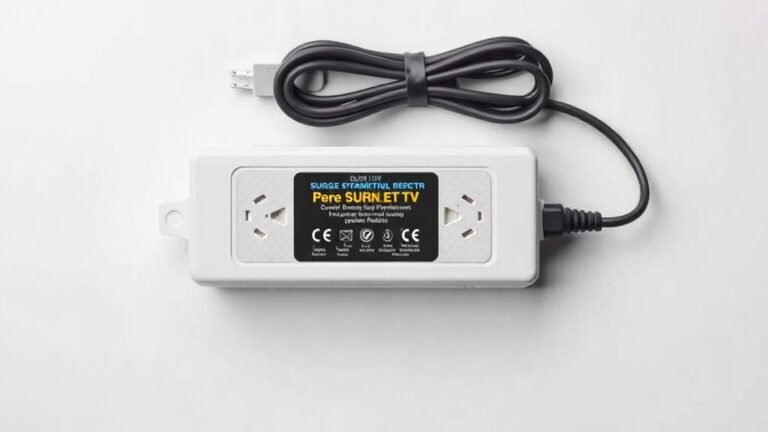
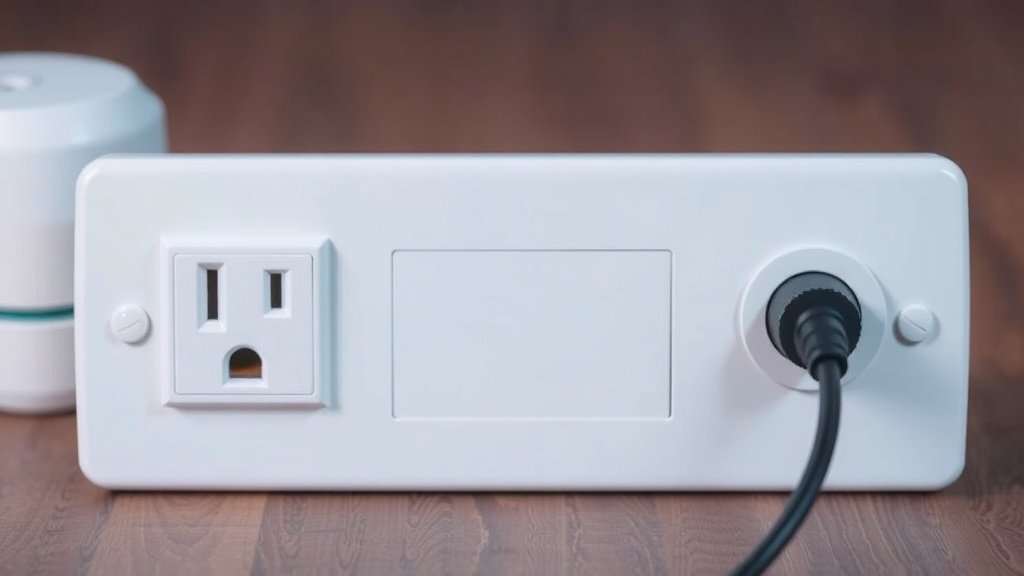
Yes, RV surge protectors do wear out over time, but they typically last for years with proper use. The surge protection components inside these devices degrade every time they absorb a power spike. We found that most quality surge protectors handle hundreds of surges before they stop offering real protection.
Your RV’s electrical system depends on this small device to block dangerous power spikes. But here’s the tricky part: many surge protectors keep passing power through even after their protection has worn out. That means your RV stays powered up, but you lose the safety net. Experts say you should replace your unit every 3 to 5 years, or sooner if you camp in areas with unstable power.
- Surge protectors wear out from absorbing power spikes over time
- Most quality units last 3 to 5 years with normal camping use
- A dead surge protector still passes power, giving you false confidence
- Watch for warning lights or error codes that signal end of life
- Test your unit yearly and replace it if you travel frequently
Below, we break down exactly how these devices age, what signs to look for, and when you should swap yours out for a fresh one.
Why Surge Protectors Age and Lose Their Power
Think of your RV surge protector like a sponge. Every time it soaks up a power spike, it holds onto a little bit of damage. Eventually, that sponge gets full. When it’s full, it can’t absorb anything else.
We found that the MOVs (Metal Oxide Varistors) inside your unit are the real workers. These small components divert excess voltage away from your RV. Each surge they absorb causes tiny wear and tear. After enough hits, they simply burn out or stop functioning.
Here’s the catch: your surge protector might still show a green light. Power flows through just fine. But the protection is gone. You’re basically running on luck at that point.
How Many Surges Can a Unit Handle?
Research and testing show that most quality surge protectors handle hundreds of surges before failing. That sounds like a lot, right? Well, it depends on the size of each spike.
Small, frequent spikes from dirty campground power wear down your unit faster than you’d think. One big lightning strike can kill a surge protector instantly. We found that even a few close strikes can permanently damage the internal components.
Many experts say the average camper experiences enough surges to wear out a unit within 3 to 5 years. That’s the sweet spot for replacement timing.
What Causes the Most Damage?
Not all power is created equal. Some campgrounds have older electrical systems that produce constant mini-surges. These small fluctuations slowly cook your surge protector from the inside.
Lightning strikes near your RV are the big killers. Even if the strike hits a transformer down the road, the surge travels through the wires and hits your unit. That single event can end your protector’s life on the spot.
Heat also plays a role. Direct sunlight and hot electrical panels increase internal temperatures. Heat accelerates the breakdown of the components. Your unit wears out faster in Arizona summers than in cool mountain campsites.
Signs That Your RV Surge Protector Is Failing
Your surge protector won’t always tell you when it’s dying. That’s the frustrating part. But we found some warning signs that can tip you off before it’s too late.
Pay attention to the display panel and lights. Many modern units show error codes or change light colors when something’s wrong. A blinking red light usually means trouble.
Here are the most common signs of a worn-out surge protector:
- Error codes that won’t clear even after resetting the breaker
- Lights that flicker or dim when you plug in
- Burning smell coming from the unit or the pedestal
- Unit feels excessively hot to the touch
- Surge protector trips the breaker repeatedly
- Display shows “no protection” or similar warnings
Can You Test a Surge Protector at Home?
Testing your surge protector at home isn’t simple. You can’t just plug it in and know for sure. That’s because the protection components only activate during a surge. Normal power won’t show their condition.
Some higher-end units have self-test features built in. They run a diagnostic when you first plug them in. If your model has this, use it every time you set up camp.
For most units, you can only check the basic power indicators. These tell you if you have proper grounding and correct wiring. They don’t tell you if the surge protection still works.
How Long Should You Keep Your Surge Protector?
The short answer: replace it every 3 to 5 years. That’s the guideline most RV technicians and manufacturers recommend. But your specific situation might require a shorter timeline.
Full-time RVers should lean toward the 3-year mark. If you live in your rig, your surge protector works every single day. It’s absorbing more spikes than a weekend camper’s unit.
Occasional campers who hit the road a few weekends a year might stretch it to 5 or 6 years. Even then, the components age from heat and environmental exposure, not just surges.
Do Expensive Units Last Longer?
Price often reflects build quality. We found that higher-end surge protectors use better components and can handle more surges. They also offer more features like remote monitoring and detailed diagnostics. For those considering a permanent installation, our guide to the best hardwired 50 amp surge protectors covers top models.
Cheaper units might not last as long. But that doesn’t mean you need the most expensive model on the market. A mid-range unit from a reputable brand is a solid choice for most campers.
Think of it like tires. Budget tires work fine for a while. Premium tires last longer and perform better. But you don’t need racing tires for a Sunday drive.
The Difference Between Surge Protectors and Power Management Systems
Lots of RVers use these terms like they’re the same thing. They’re not. Understanding the difference matters for how often you replace each one.
A basic surge protector only handles voltage spikes. That’s its one job. Once the protection wears out, it’s just an expensive power cord adapter.
A power management system does much more. It monitors voltage, checks wiring, protects against low voltage, and can even shut off power to protect your appliances. These units often last longer because they manage multiple issues, not just surges.
| Feature | Basic Surge Protector | Power Management System |
|---|---|---|
| Surge protection | Yes | Yes |
| Voltage monitoring | No | Yes |
| Low voltage protection | No | Yes |
| Wiring fault detection | Sometimes | Yes |
| Typical lifespan | 3-5 years | 5-8 years |

Best Practices to Extend the Life of Your Surge Protector
You can’t make your surge protector last forever. But you can help it live a longer, healthier life. Small habits make a big difference over time.
One of the simplest things you can do is keep it out of direct sunlight. UV rays and heat degrade the plastic housing and internal components. Use a protective cover if your pedestal is in full sun.
Another tip: always plug your surge protector into a covered outlet. Rain and moisture can cause shorts and corrosion. Water damage kills these units faster than anything else we found.
Check Your Pedestal Before Plugging In
Before you connect anything, inspect the campground pedestal. Look for signs of damage, rust, or loose connections. A bad pedestal sends dirty power to your surge protector, wearing it out faster.
We found that some campers carry a simple voltage meter to test the pedestal before plugging in. That’s an extra step, but it can save your surge protector from unnecessary stress.
If the pedestal looks sketchy, report it to the campground office. It’s their job to maintain the electrical equipment. A good campground will fix it right away.
When Should You Just Replace It?
Don’t wait for your surge protector to die completely. By the time it stops working, your RV might already be damaged. Be proactive about replacement.
If you notice any of the warning signs we mentioned, replace the unit immediately. It’s not worth risking your RV’s electrical system to save a hundred bucks.
Also, replace it if you’ve experienced a major lightning event near your campsite. Even if the unit looks fine, that strike may have compromised the internal components.
Your Pre-Trip Checklist
Use this quick checklist before every camping trip to make sure your surge protector is ready to work:
- Inspect the plug and cord for cracks, burns, or frayed wires
- Check the display panel for error codes or warning lights
- Feel the unit for unusual heat after plugging in
- Note the date you purchased it and compare to the 3-5 year window
- Test all indicators to confirm power is flowing correctly
- Replace immediately if any signs of damage appear
Is It Worth Spending Money on a Surge Protector?
Absolutely. Consider what a single power surge can do to your RV. It can fry your refrigerator control board, ruin your TV, and damage your converter. Those repairs cost far more than a new surge protector.
We found that replacing a converter alone runs several hundred dollars. A new surge protector costs a fraction of that. It’s cheap insurance for your rolling home.
Many experts say that every RVer should use a surge protector, period. The cost is minimal compared to the potential damage. Don’t skip this safety device just to save a little money upfront.
When you replace your unit, look for one with a clear warranty and good customer reviews. Brands that stand behind their products tend to build more reliable equipment. Your RV deserves that peace of mind.
Conclusion
Your RV surge protector works hard every time you plug in, but it doesn’t last forever. The internal components wear down with every power spike they absorb. Most units give you solid protection for 3 to 5 years, and then they’re done.
Don’t fall for the false security of a green light. A worn-out surge protector still passes power, but it won’t stop a damaging spike. That’s a risk you don’t want to take with your RV’s electrical system.
Make a simple habit: check the date you bought your unit and mark a replacement reminder on your calendar. If you camp full-time or in areas with rough power, plan to swap it out sooner. Spend the money on a quality replacement now, and you’ll save yourself from costly repairs down the road.
Frequently Asked Questions
Can an RV surge protector fail without warning?
Yes, it absolutely can. A surge protector can lose its protection abilities while still passing power and showing normal lights. That’s why time-based replacement matters as much as watching for warning signs.
How do I know if my RV surge protector is still working?
Most basic units only show that power is flowing, not that surge protection is active. Check your owner’s manual for a self-test feature. If your unit has one, run it every time you set up camp.
Does leaving my surge protector plugged in all the time wear it out faster?
Yes, constant connection exposes the unit to ongoing voltage fluctuations and heat. If you store your RV with the surge protector plugged in, unplug it when you’re not using the rig. This reduces unnecessary wear.
What happens if I keep using a dead surge protector?
You lose your safety net completely. A power spike can travel straight through the dead unit and damage your RV’s appliances, converter, and electronics. You’re basically running unprotected at that point.
Are cheap surge protectors worth buying at all?
Budget units offer basic protection, but they typically handle fewer surges and use lower-quality components. They can fail faster than premium models. If you camp often, invest in a mid-range unit from a trusted brand instead.